She was a general agent for the Devil in all these parts: no man escaped her, or her furies……She lived in the Forest of Pendle, amongst this wicked company of dangerous witches.
Thomas Potts (clerk of the court)
The Road
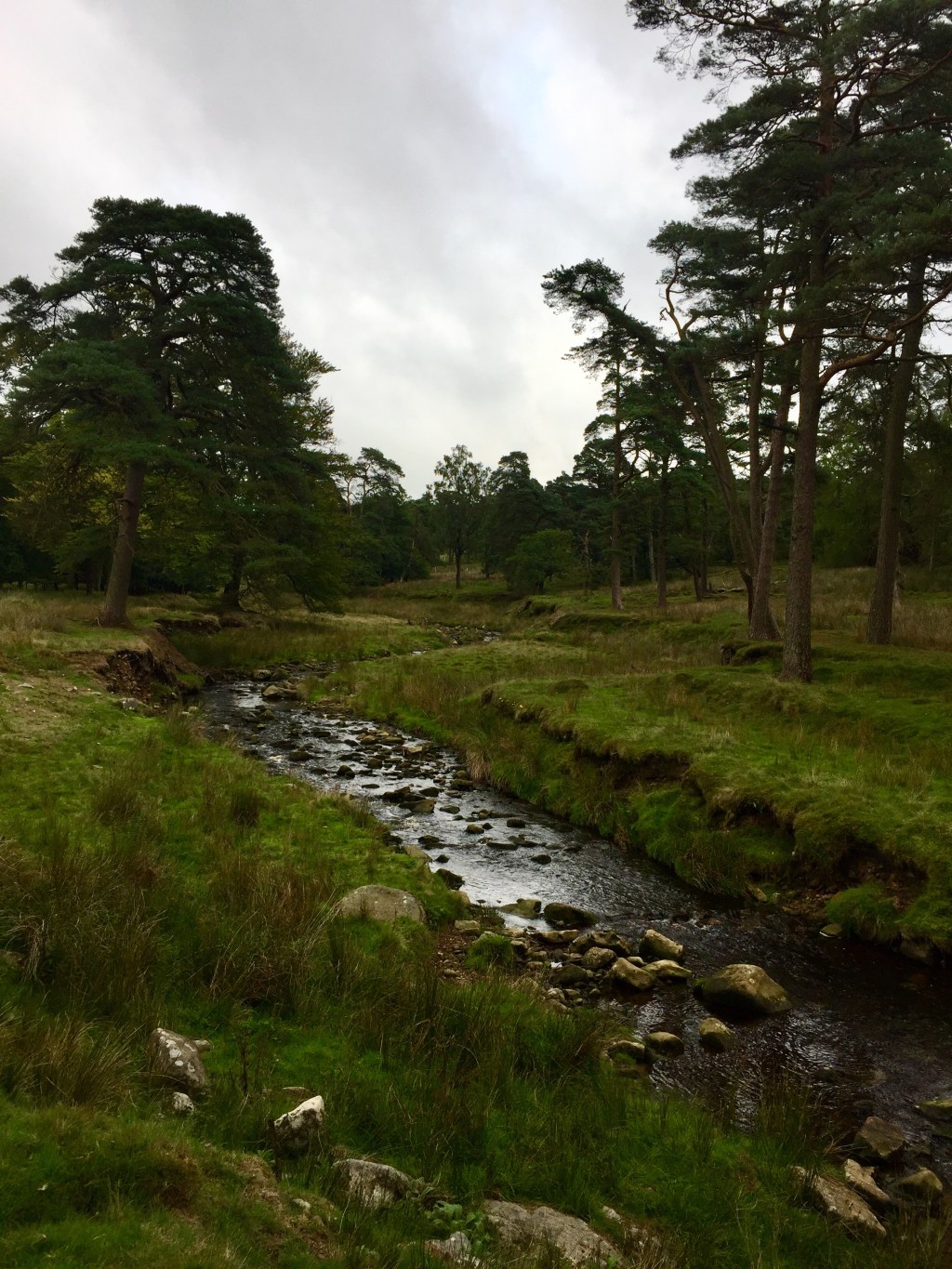
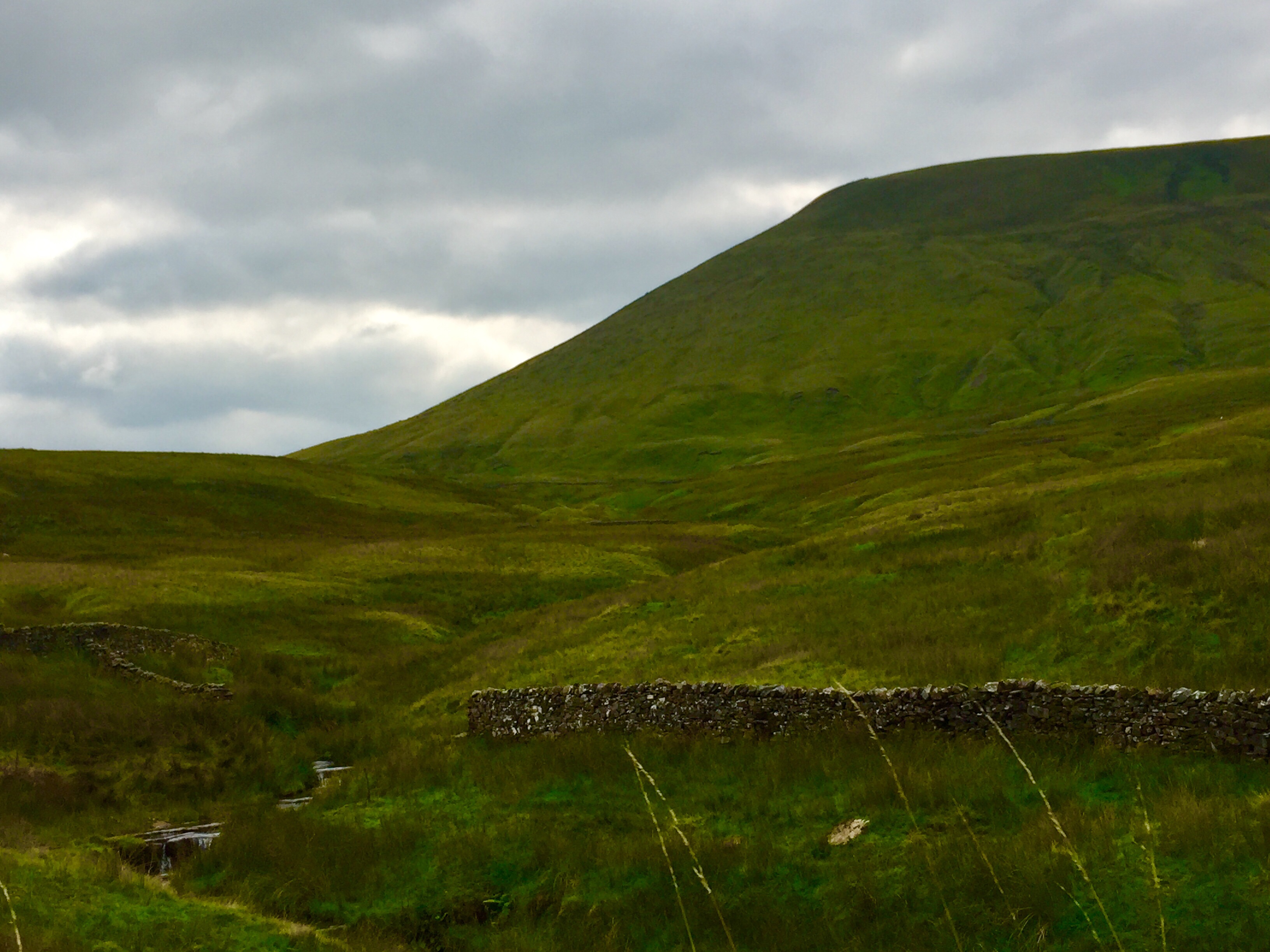
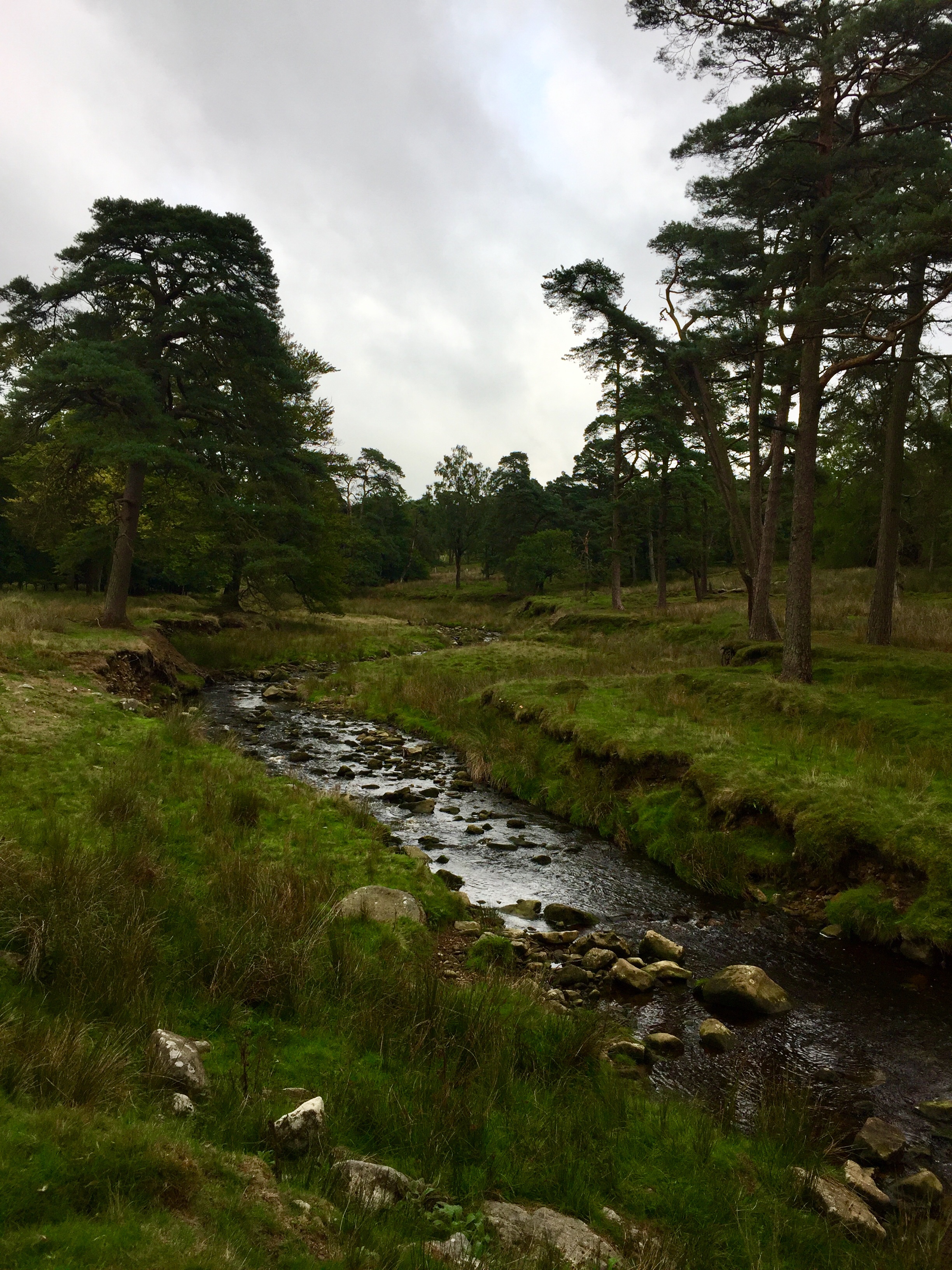
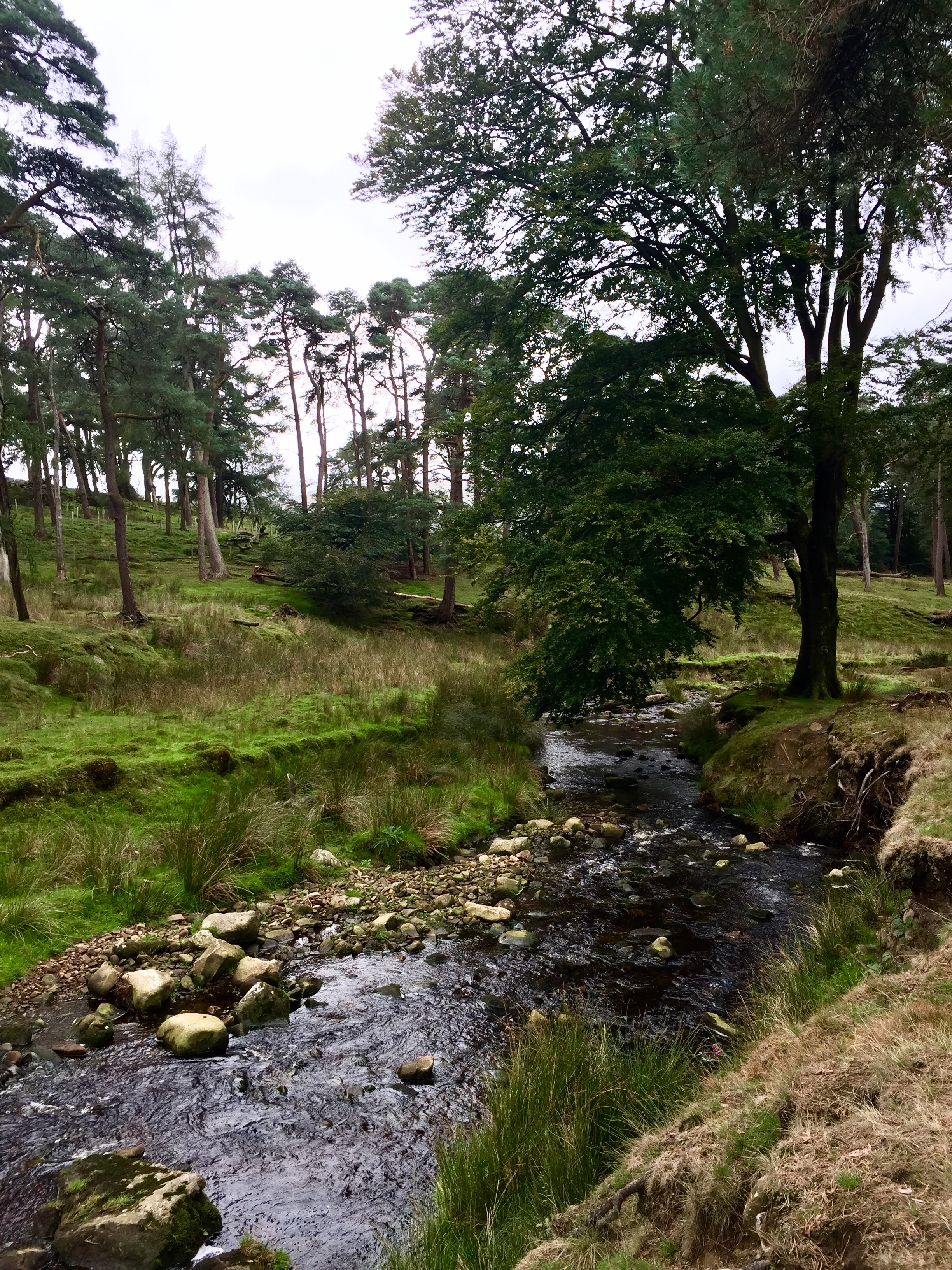
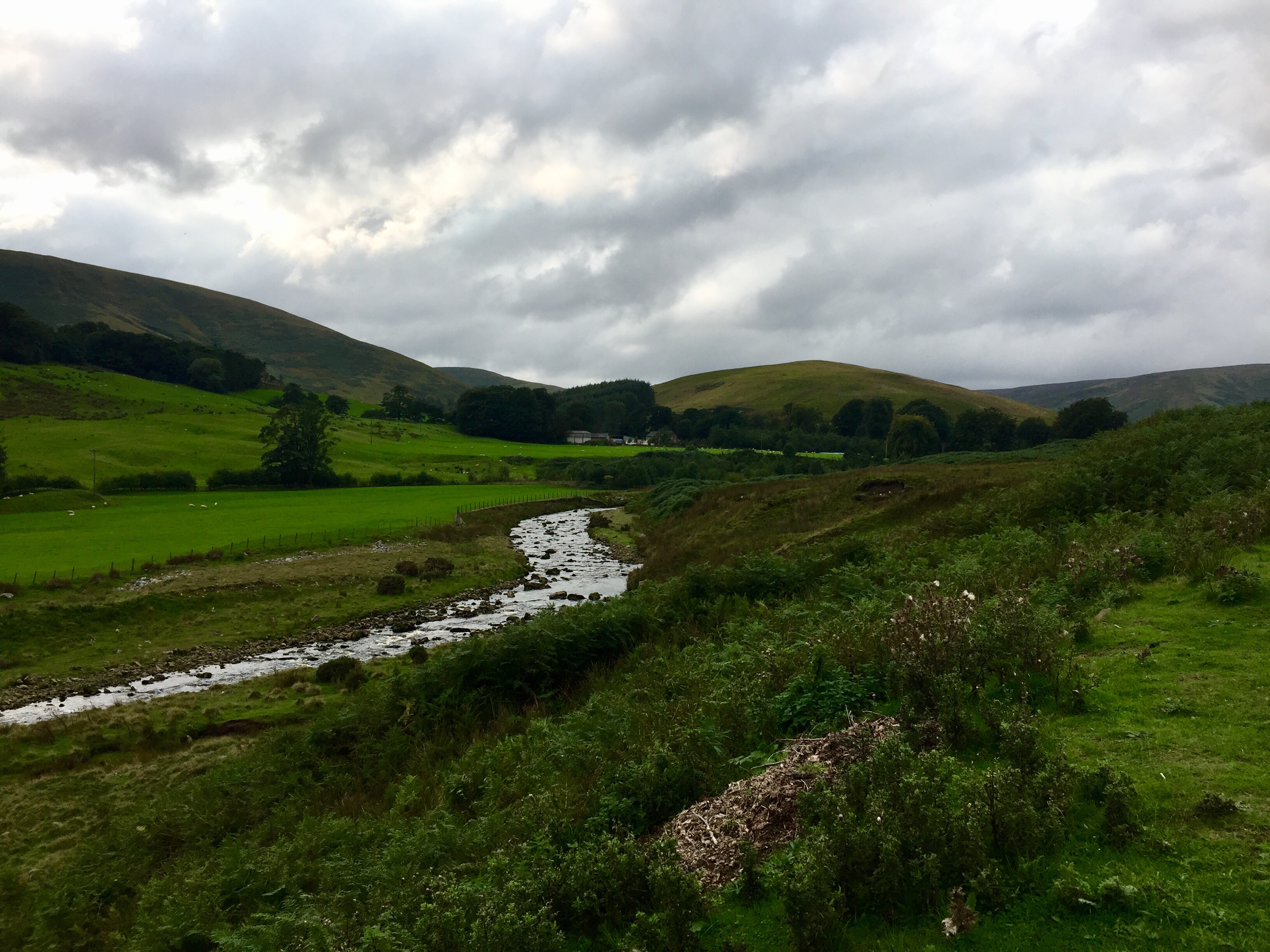
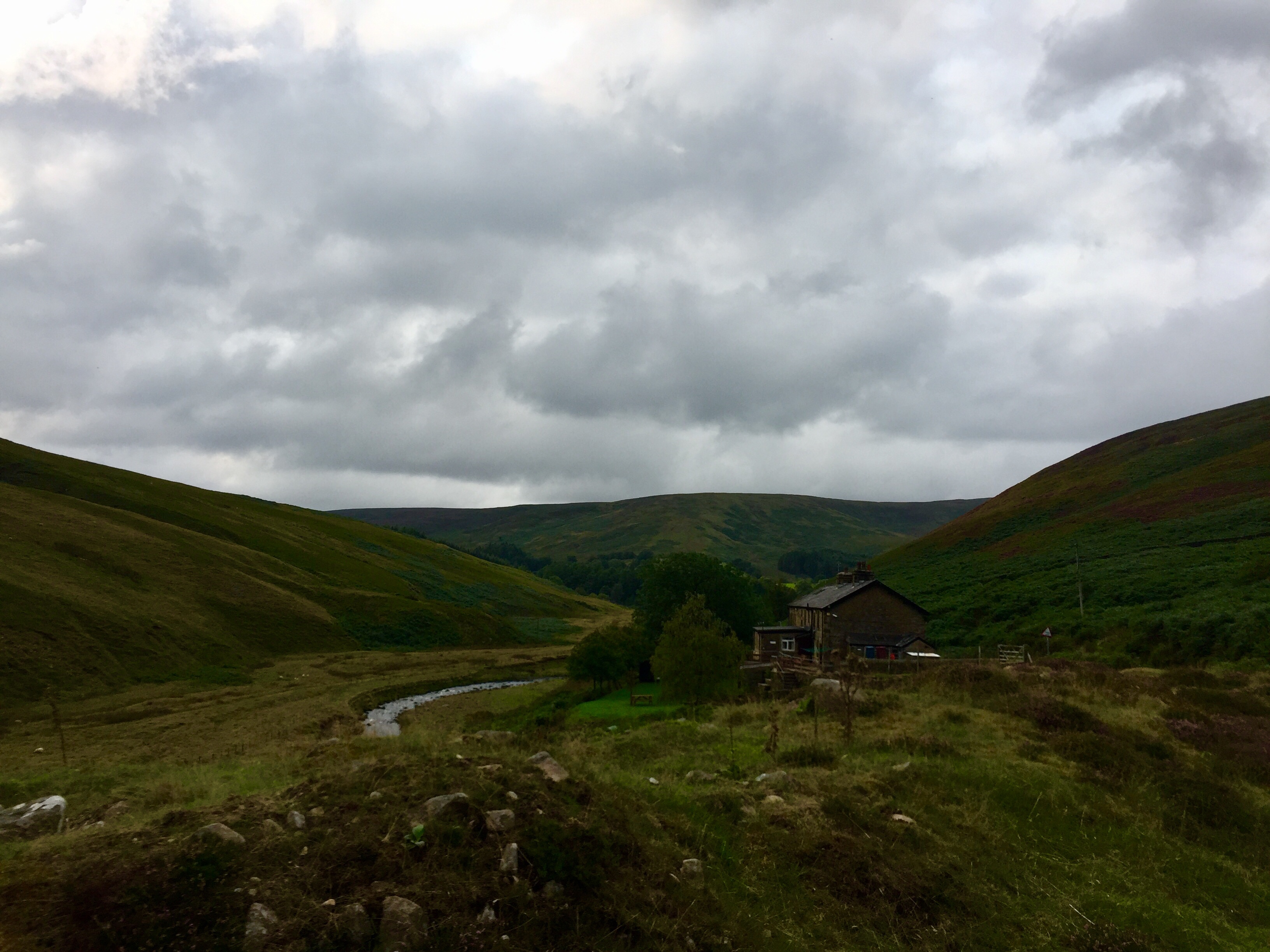
Our road cut through the landscape like a sacrificial knife – narrow, jagged and sharp. To our left, Pendle Hill shot out of the moody moors like an ancient burial mound, lonely and foreboding. Passing through its shadow, we soon entered the Forest of Bowland. As with all things in this part of England, the forest felt older than time – the trees looked ready to walk among men.
Never knowing the history of this area, it’s easy to imagine why this has always been called Witch Country. There’s a feeling of magic in the colorful, rolling hills of the Trough of Bowland, and the surrounding natural beauty is cold and mysterious – dangerously bewitching.
But, there is important history here. This was the road along the famous Pendle Witch Trail, upon which 12 accused witches of Pendle were marched to meet their terrible fate at Lancaster Castle.
The Tale
The year is 1612 and the good Christians of Europe are engaged in a relentless battle with the servants of the Devil. For when crops die, good men are crippled and disease hunts you down, there’s only one, sure cause – witchcraft.
Under the shadow of Pendle Hill in Lancashire, England, two old women called Demdike and Chattox have spent the last 50 years competing for the title of ‘Town Witch’. As simple beggers, they get by by as posing as witches – healers and potion makers – but it’s a dangerous game to play.
One morning, Demdike’s granddaughter, Alizon Device, meets a visiting Pedler. She begs him for some metal pins, but he refuses. She curses him, and he happens to immediately suffer a stroke. Carried into town, he accuses Alizon of using witchcraft to cripple him.
In effort to save herself, Alizon places the blame on her family’s rivals – Chattox and her family. And in inevitable retaliation, they accuse Demdike and her family of witchcraft and murder.
Soon, Demdike and Chattox are accused of leading a witches’ coven in the area. Accusations continue to fly until their hatred for each other condemns them, their families, and innocent townsfolk to brutal torture and death.
The 12 accused witches were:
- Elizabeth Southerns (a.k.a. Demdike)
- Her daughter, Elizabeth Device
- Her granddaughter, Alizon Device
- Her grandson, James Device
- Anne Whittle (a.k.a. Chattox)
- Her daughter, Anne Redferne
- Jane Bulcock
- Her son, John Bulcock
- Alice Nutter
- Katherine Hewitt
- Alice Grey
- Jennet Preston
The Pendle Witch Trials of 1612 remain the most infamous in English history for three reasons: First, for the high number of people accused (12) and killed (10); secondly, thanks to Mr. Thomas Potts, clerk of the court, they are some of the most well-documented witch trials in history; and lastly, for the shocking account of a child’s testimony during the trial. Nine-year-old Jennet Device testified against her grandmother, mother, sister and brother – condemning her entire family to death.
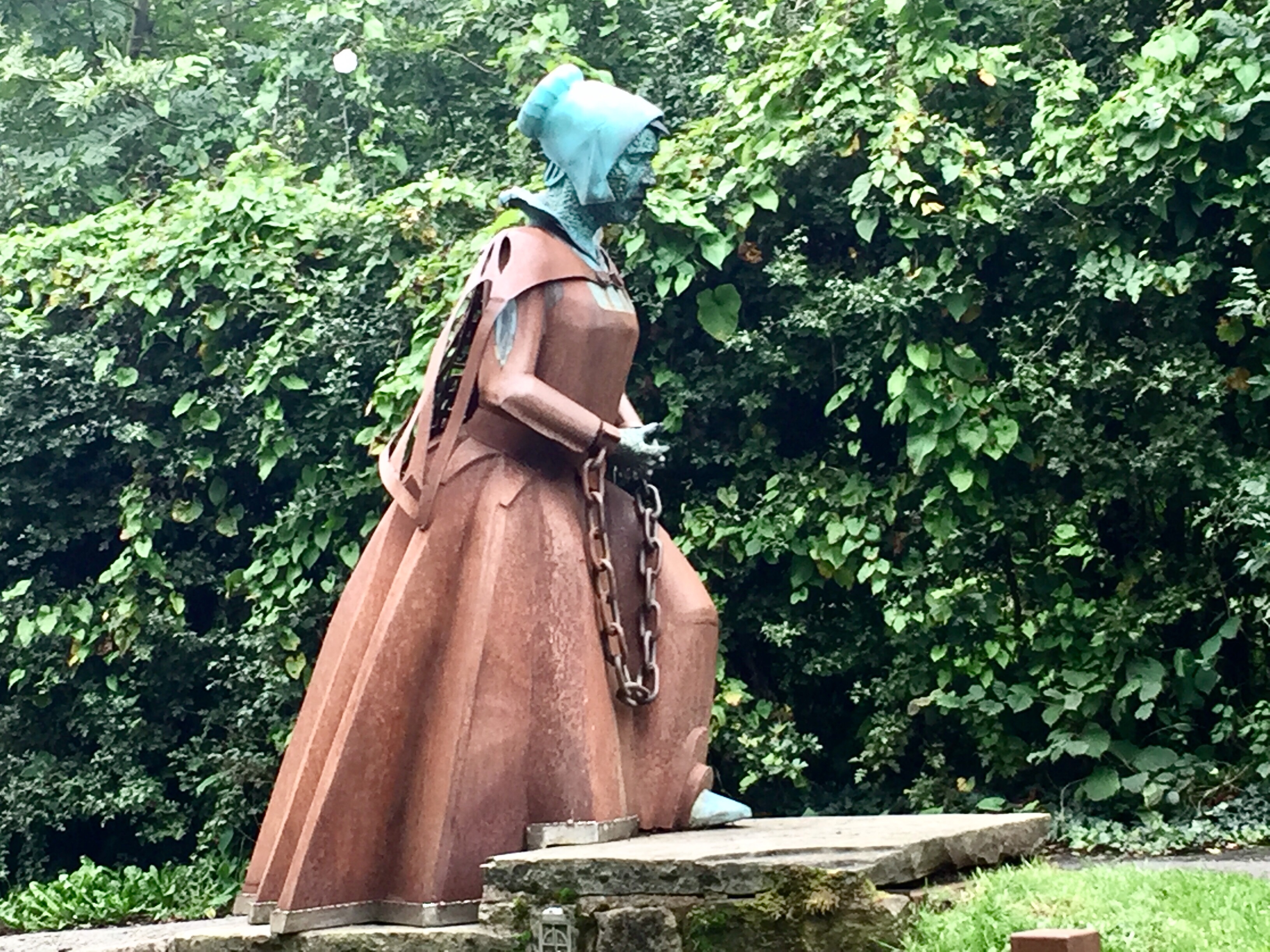
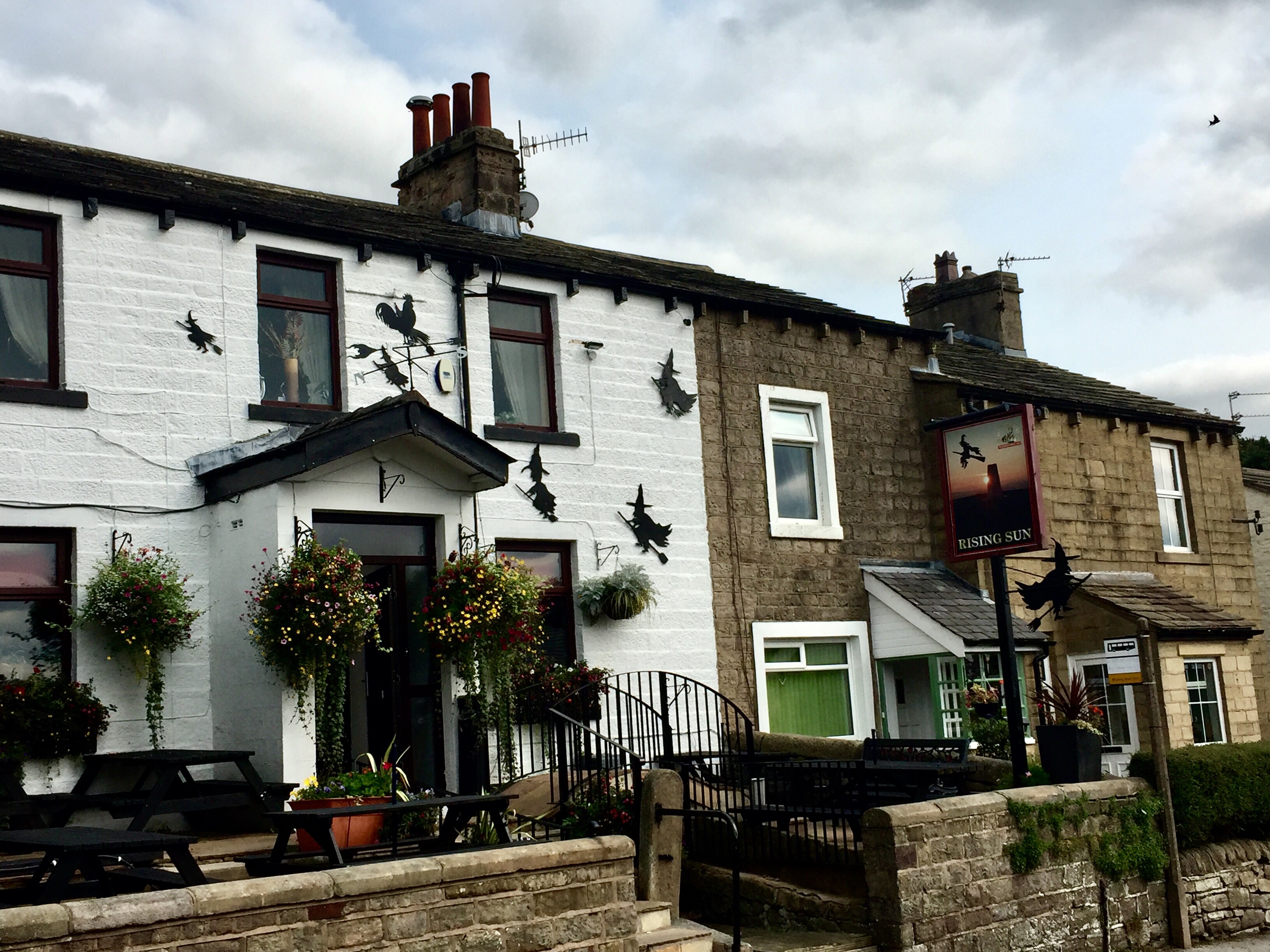
Today, the Pendle Witches are a beloved part of local culture. Our road was lined with kitschy shops decorated with witch hats and broomsticks, and old inns with witchy names like The Black Cat. You can even pay your respects at a statue of Alice Nutter, one of the condemned.
However, though these may attempt to tell the story, it is the wild moors and forests along the Pendle Witch Trail that truly bring this haunting tale of tragedy and intrigue to life.
Read more about the Pendle Witches
And about the Pendle Witch Trail



 thewanderingfellows