In my last post, I tried to describe what can only be felt — the ferocious vibrancy of Jordan’s capital city, Amman. This modern city has a life of its own. Once that desert road turns into city streets, it’s absolute sensory overload. Amman is a mix-mash of traditional and modern architecture, East and West, old and new. The alluring, Old World aroma of spices and shisha blends into the enticing wafts of greasy fried food and kebabs. And day and night, no matter the time, the city plays an orchestral chorus of car horns, shouts, whistles and the haunting Call to Prayer.
Yet despite its modernity, Amman still feels old. It’s as if there’s still something left lingering in the air from long ago — a sweetness from the Babylonian gardens or the voices of a busy Persian market. In this beehive of a city, you can picture sandal-clad Romans mixing in with the crowd, or a legion of Assyrian warriors howling in unison with the traffic. But it’s more than a feeling — the old ones left their mark on Amman. Wherever you go, you’re sure to find yourself face to face with the proud remnants of a fallen civilisation.
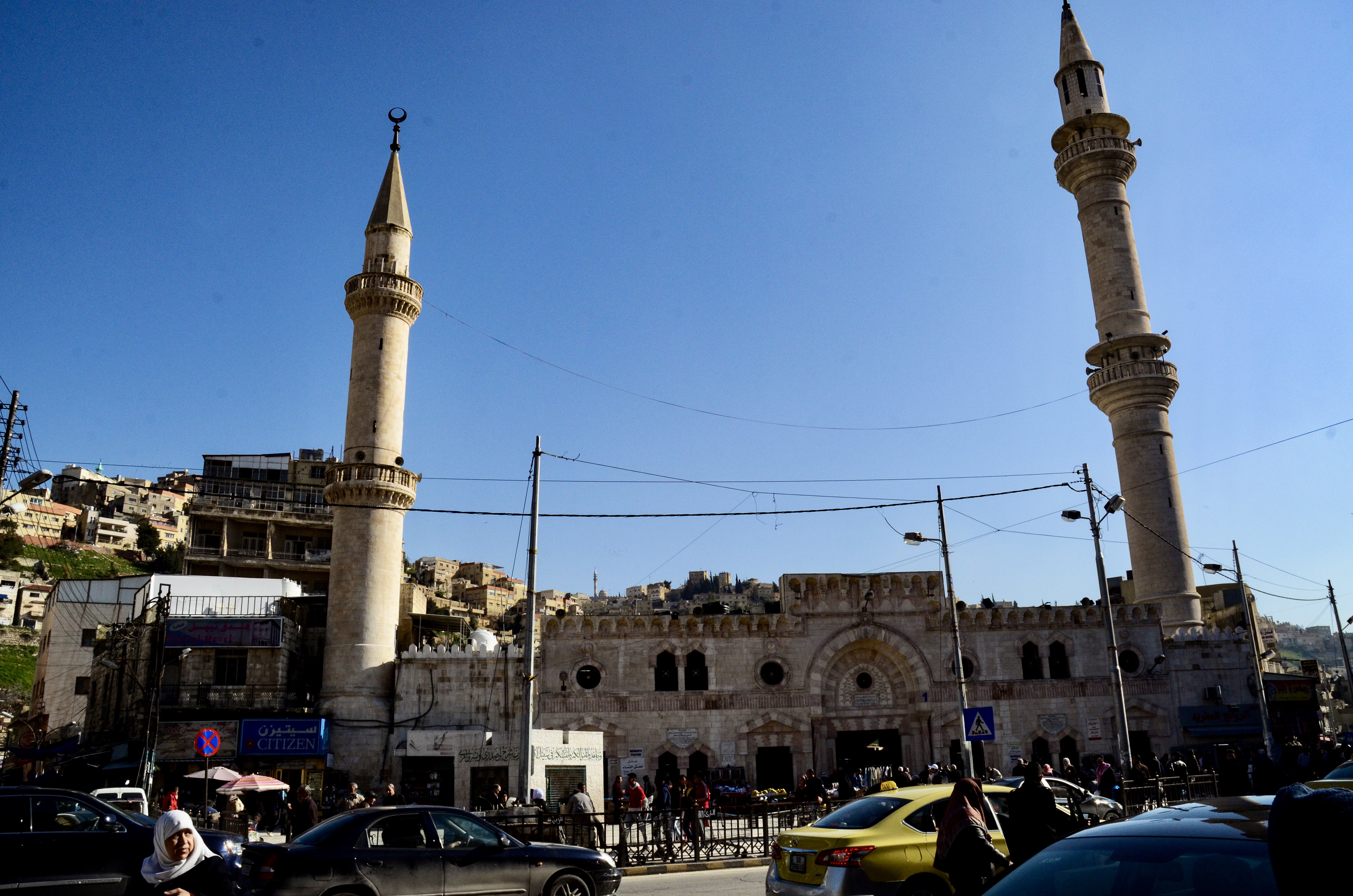
Amman is in fact, ancient — one of the oldest cities in the Middle East. Founded over 9,000 years ago, it has survived centuries upon centuries of conquests and has borne many names as a result. Rabbath Ammon to the Ammonites, Assyrians, Persians and Babylonians. Philadelphia to the Greeks and Romans. Ammon to the Christian Byzatines and Muslim Ottomans. Then finally, Amman to the Bedouin and Arabs. As each civilisation came and went, they built upon and expanded the seven hills that made up the foundations of the original city, in what is now known today as Old Town.
Roman Theatre
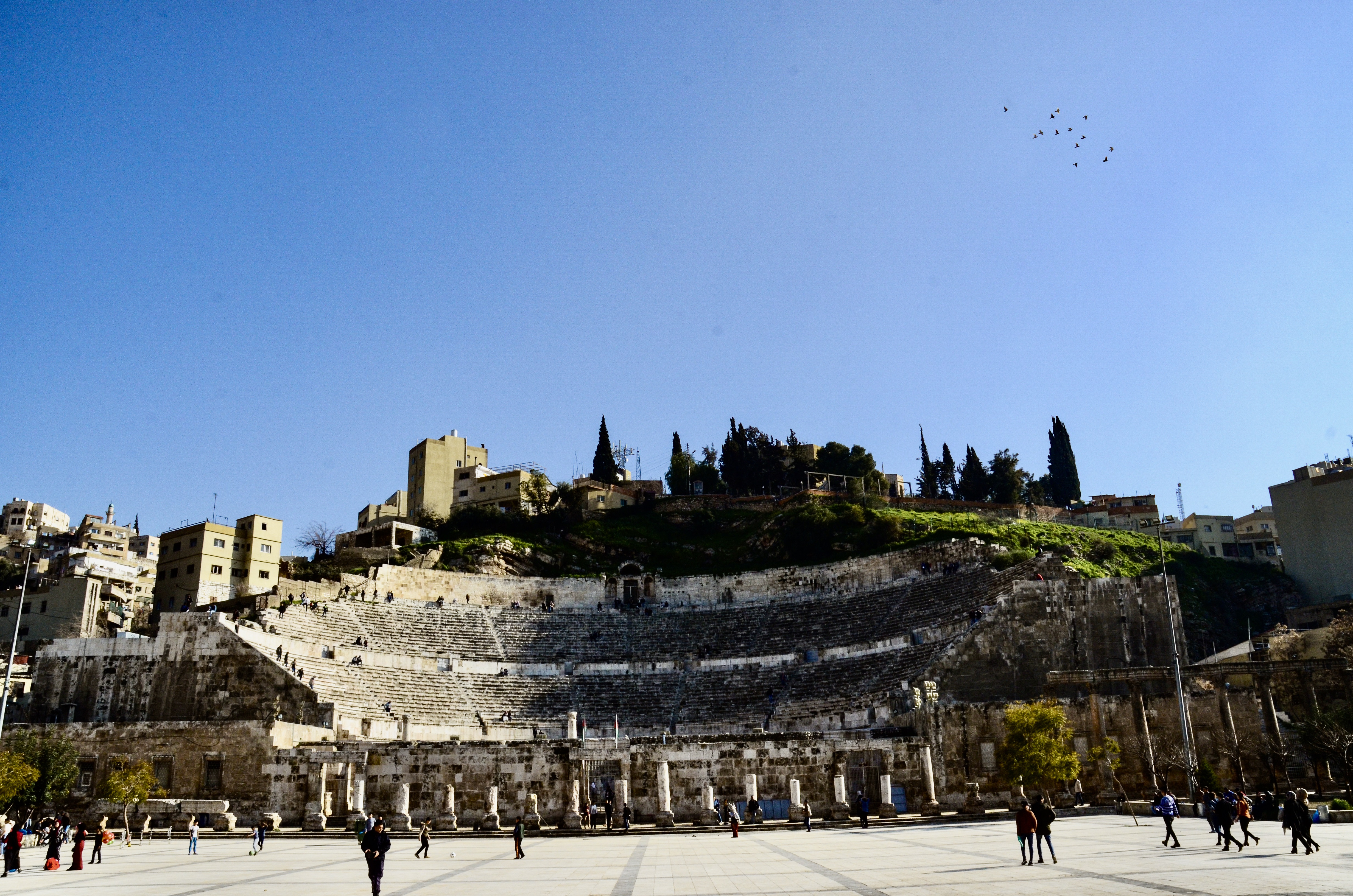
Built at the height of Roman prosperity under Emperor Antoninus Pius in the 2nd century, the Roman Theatre of Amman is the first of the grand ruins you’ll visit in Old Town. And, it is well worth the walk as a spectacular introduction to the history of Jordan. We visited in the afternoon when the sun was high and had turned those stones into brilliant, blinding silver and alabaster.
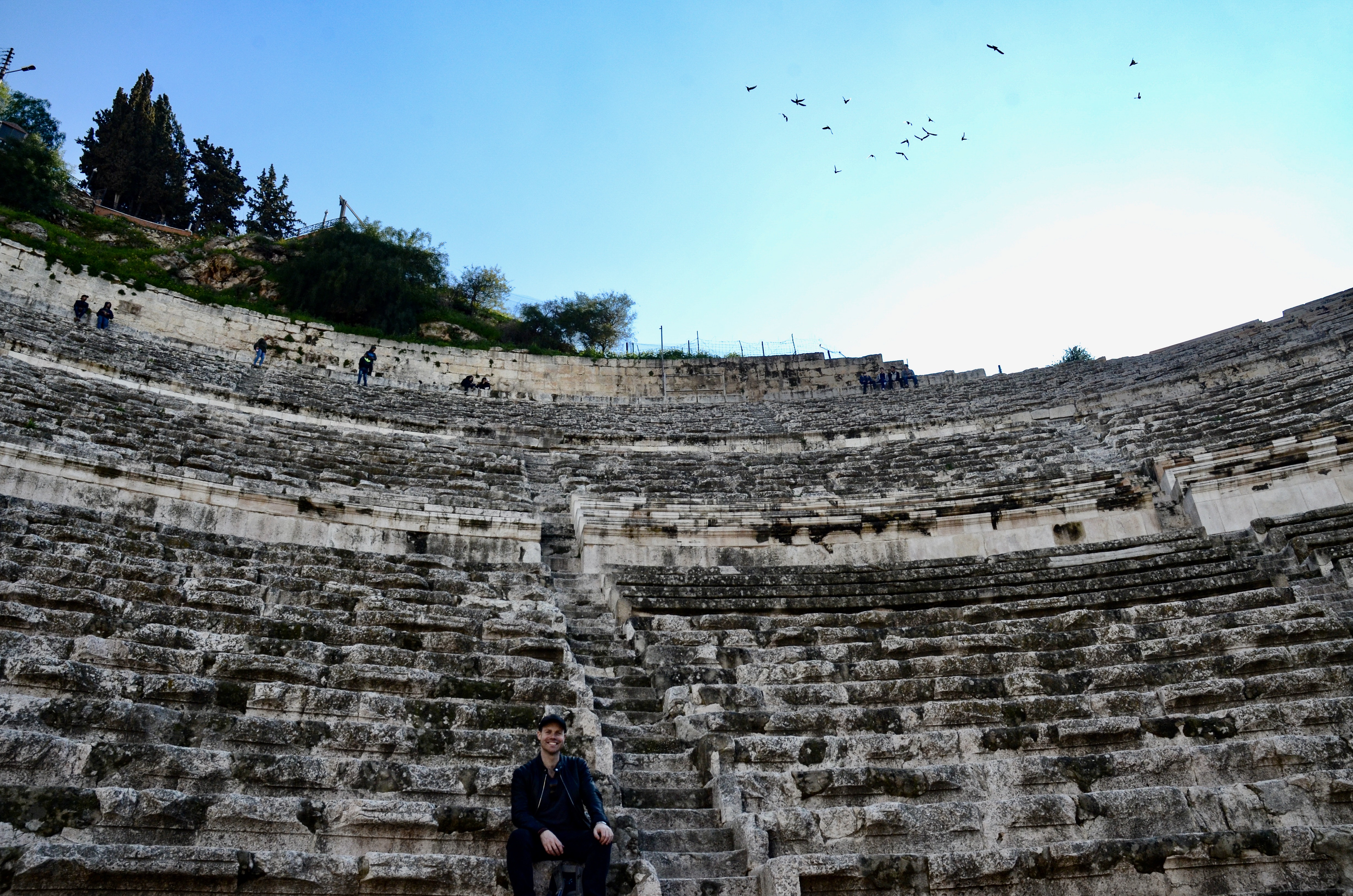
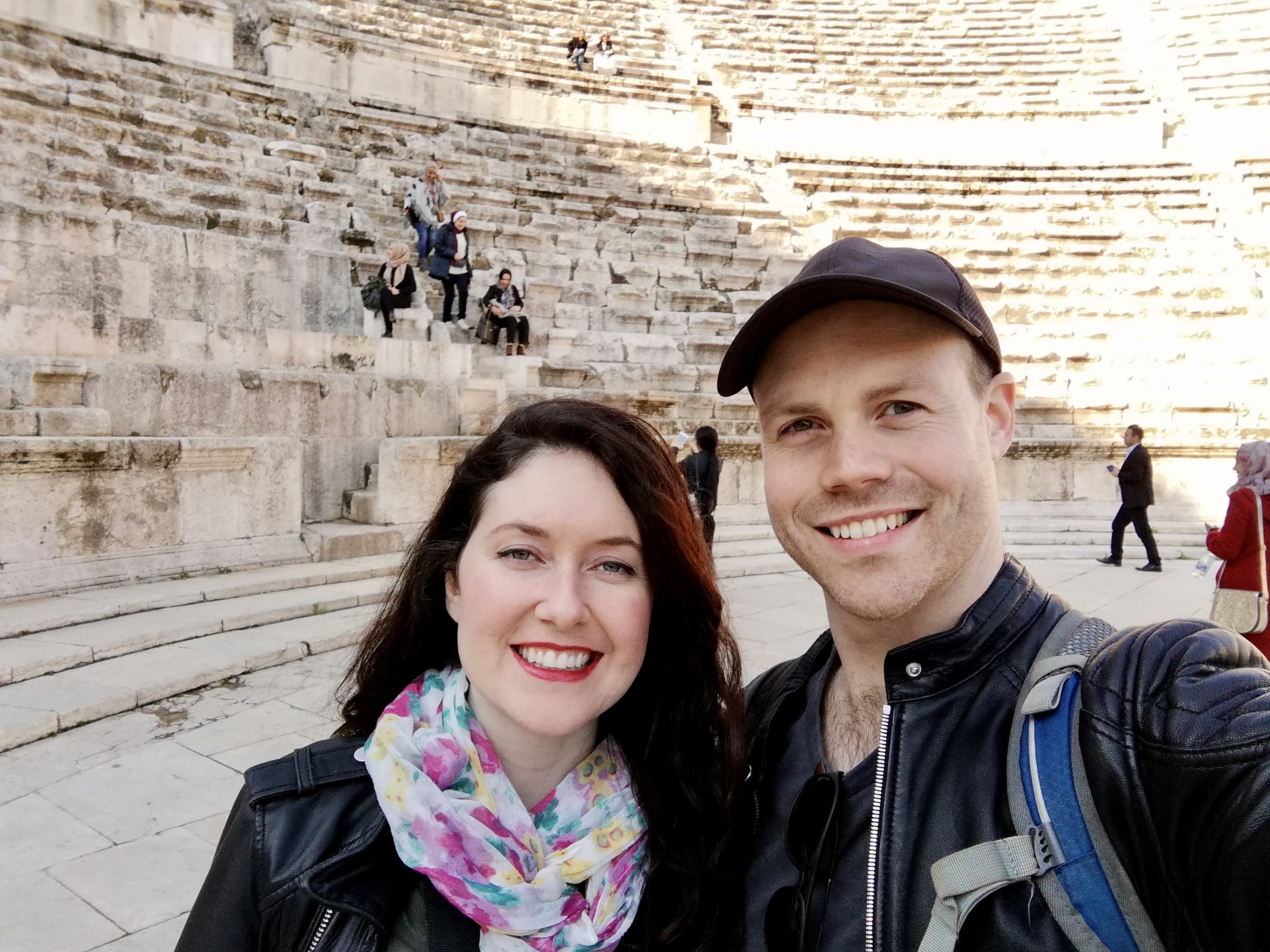
We climbed to the top — no easy feat with stone steps as large, wide and steep as a giant’s lunge. I tripped and almost fell, much to the delight of the two happy locals watching us from below! Then finally, we found ourselves one with the birds. We sat there for a while, taking in the stunning view of the rolling hills of Amman.
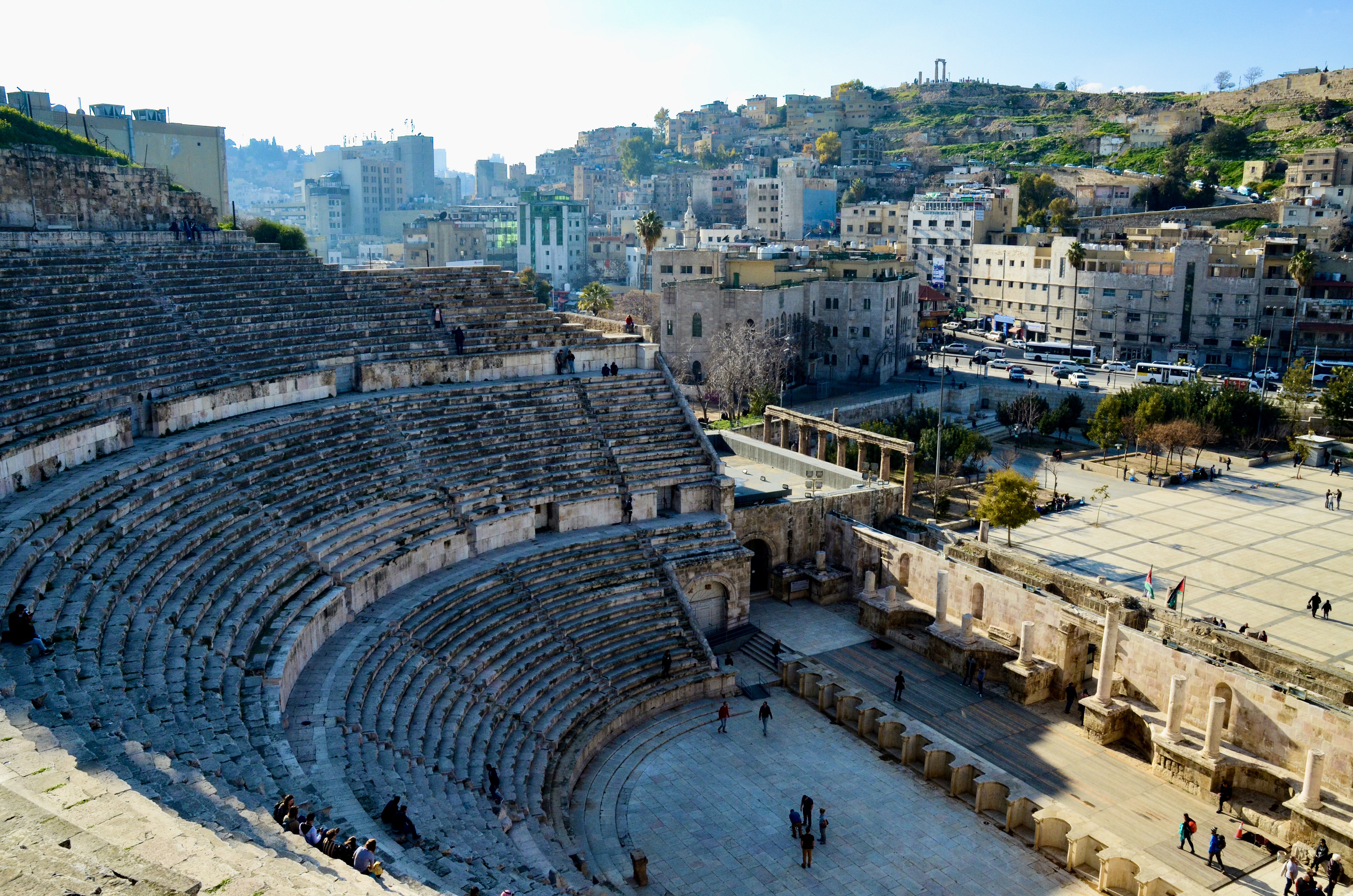
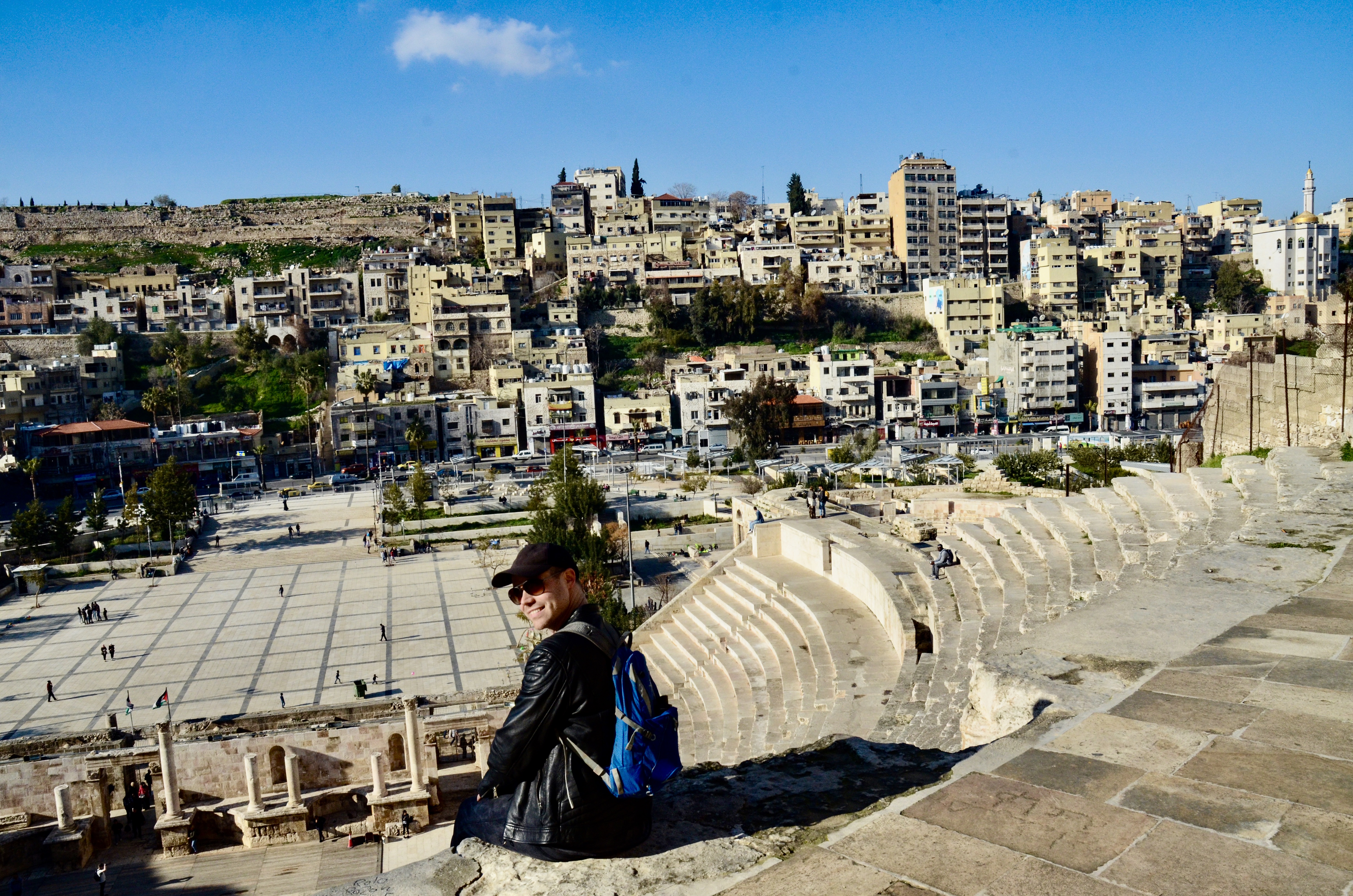
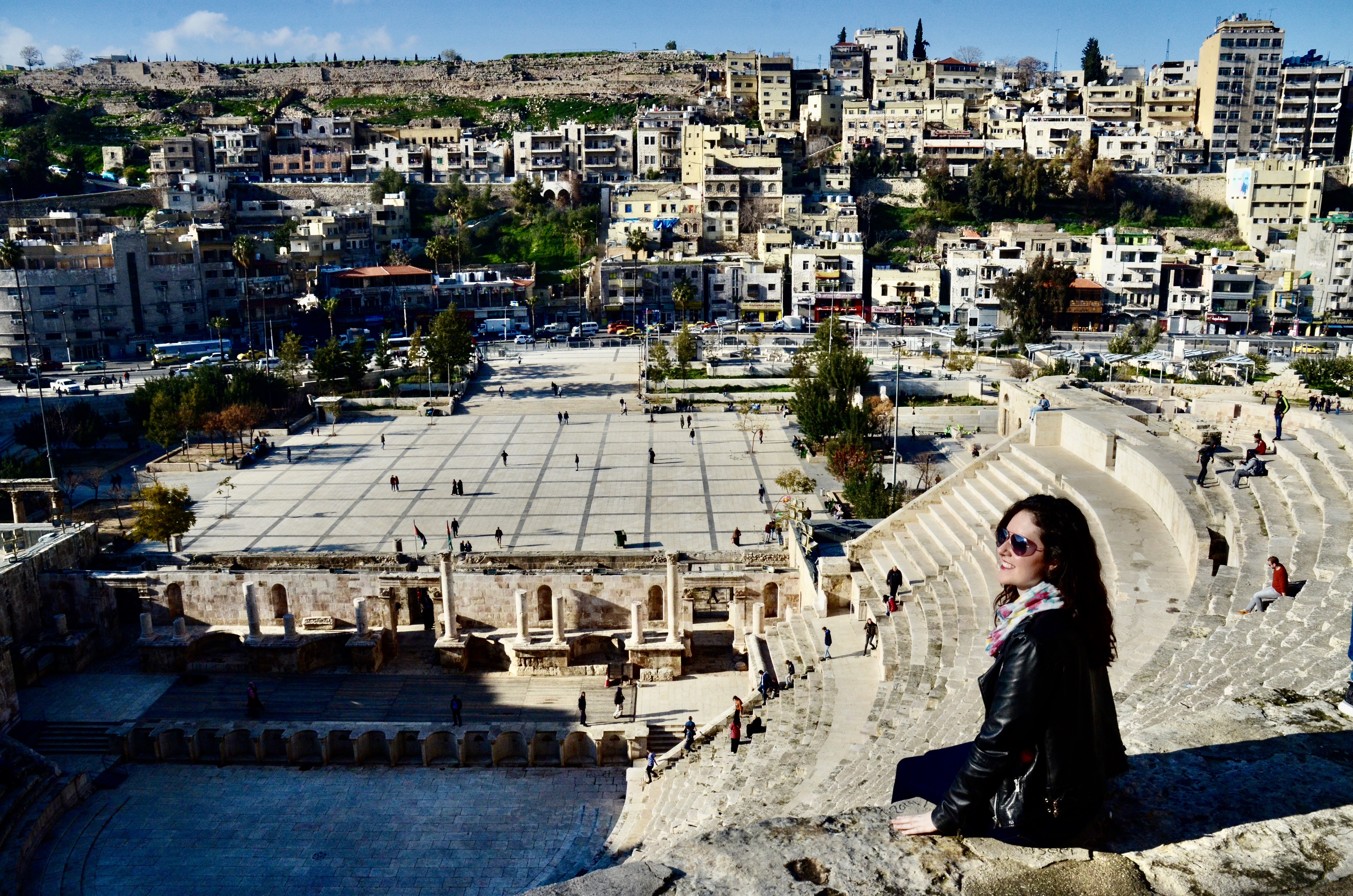
To the top
From our perch, we had a clear view of Jabal Al Qal’a, the tallest of the seven hills of Amman —and our next destination. We carefully crept down from the Theatre and began our slow hike up the hill. But once you get away from the main road, Amman is a mess of twisted side streets and alleyways that all look the same. We lost our way a few times, but it made for a memorable hike along the more residential streets of he city. We also had a few friendly stray cats tag along to keep us company.
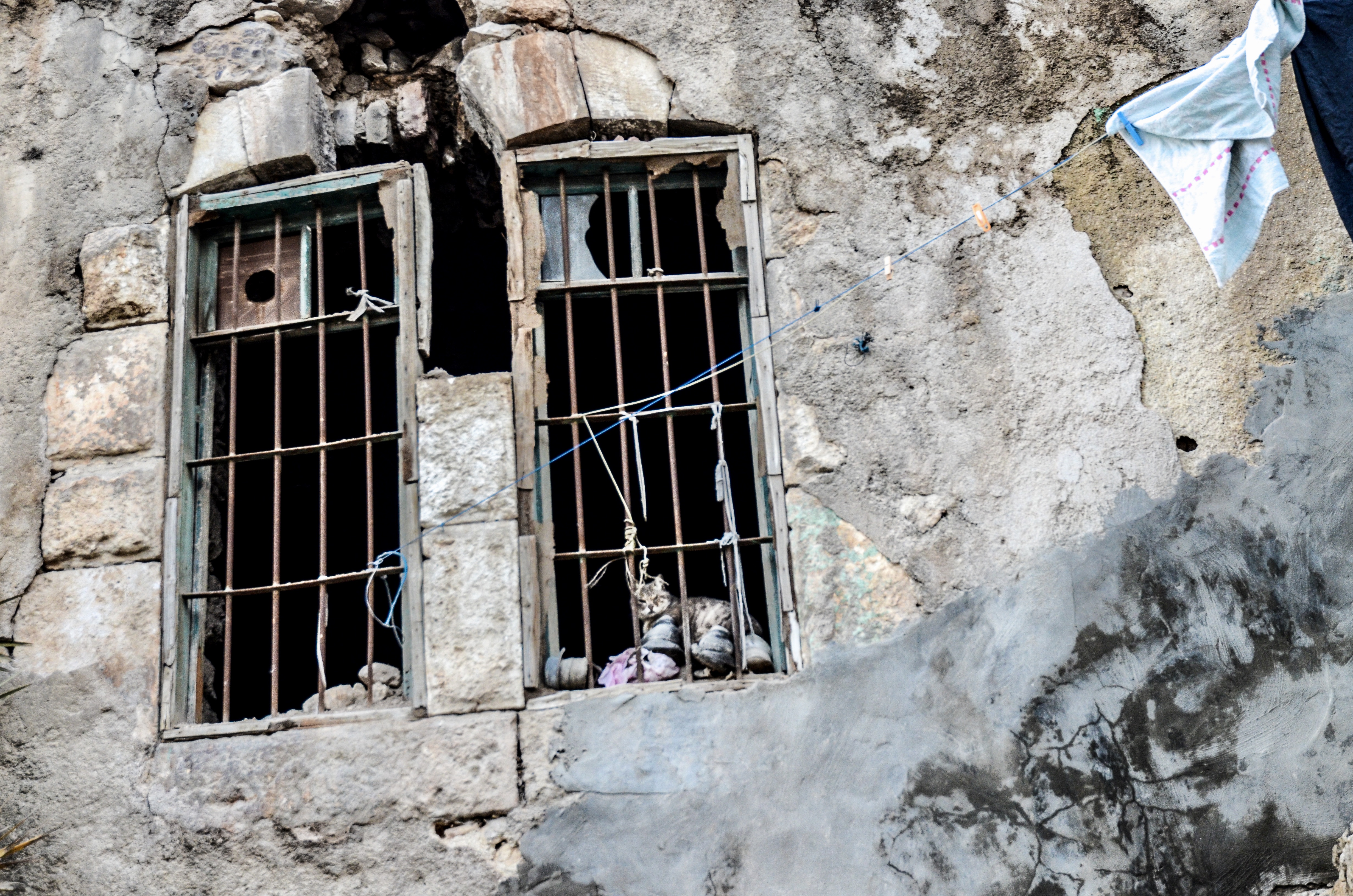
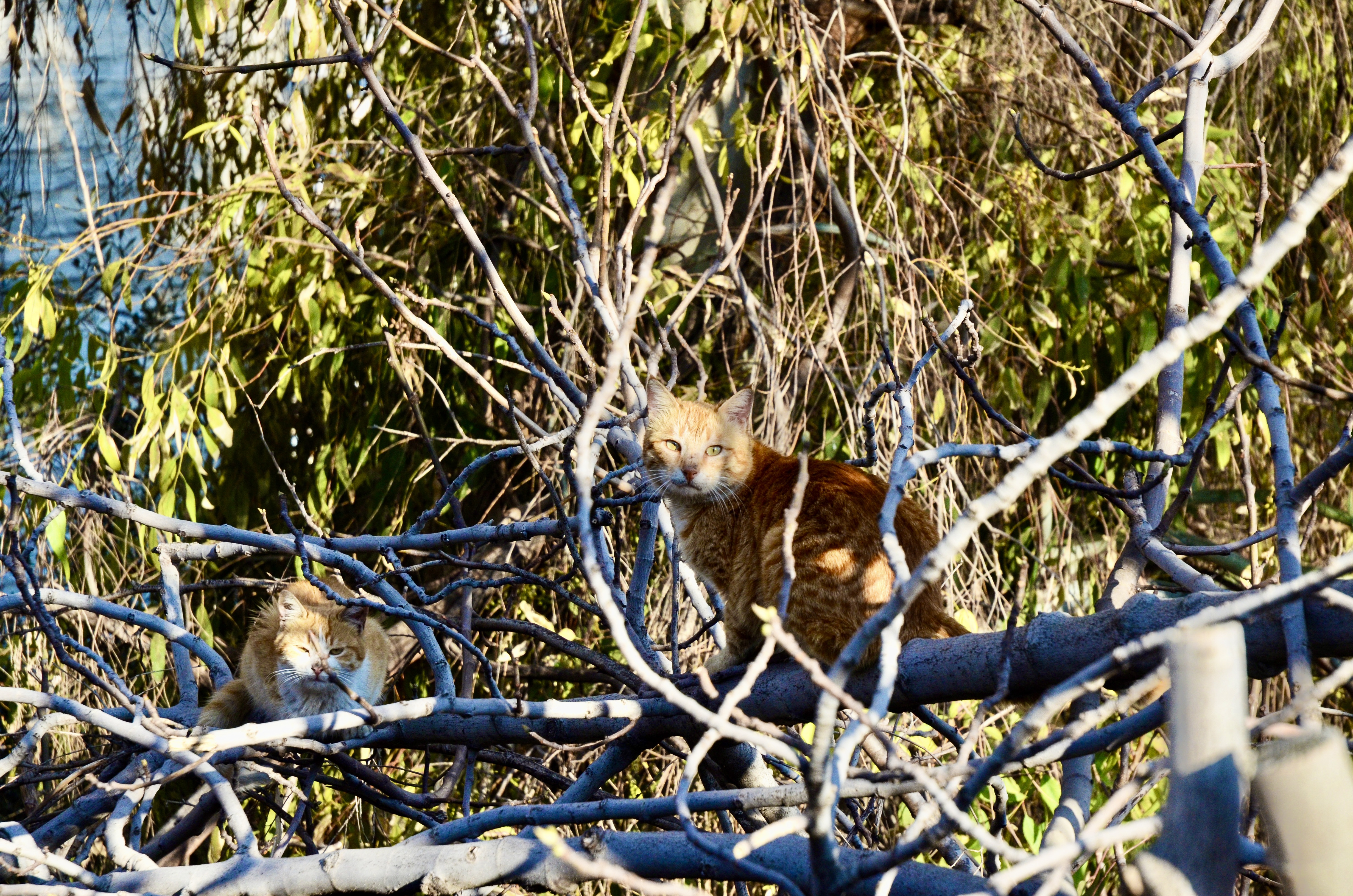
As the light started to fade, we finally reached the top of the hill, fully exhausted but ready to explore the Citadel.
Amman Citadel
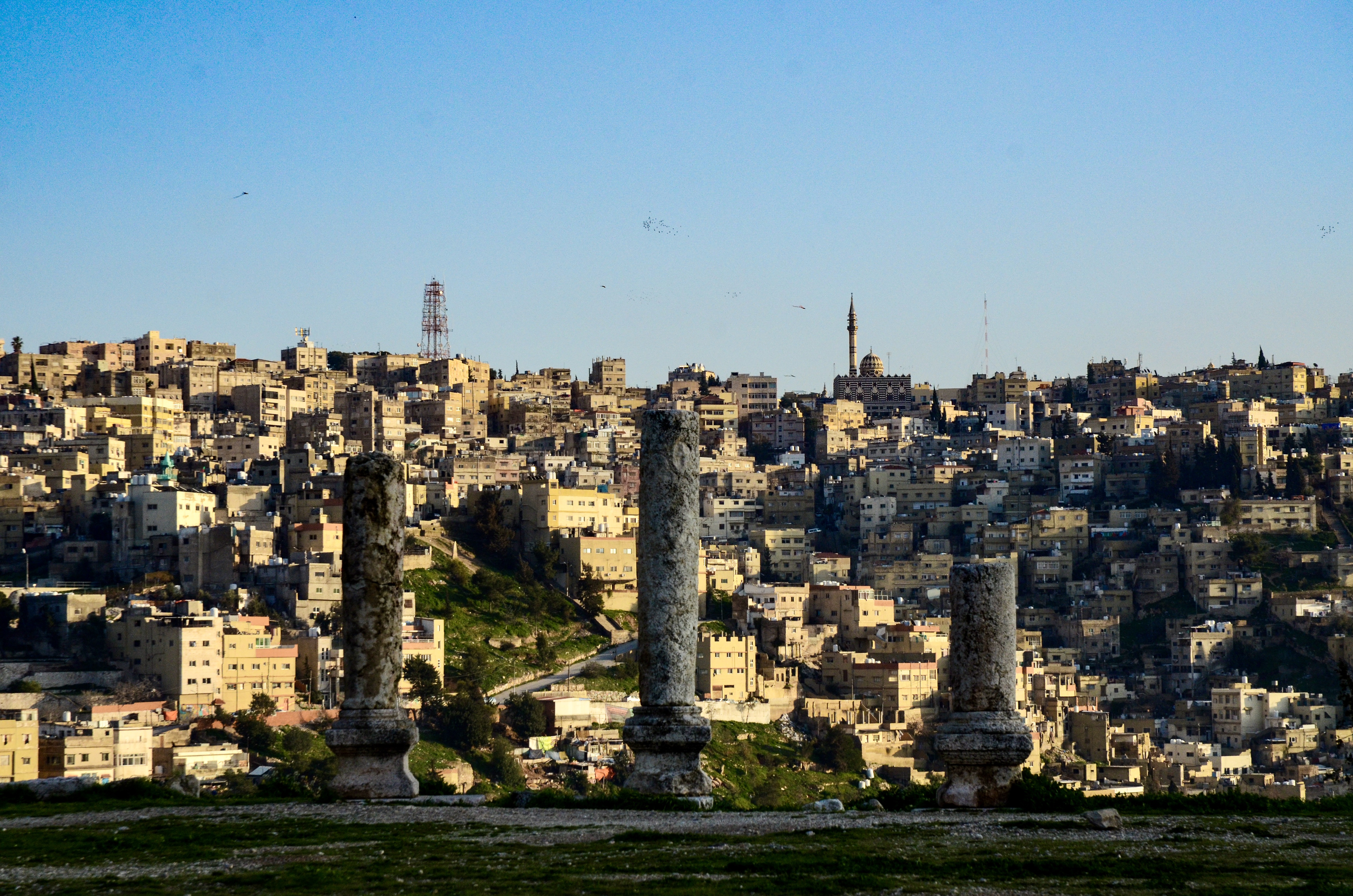
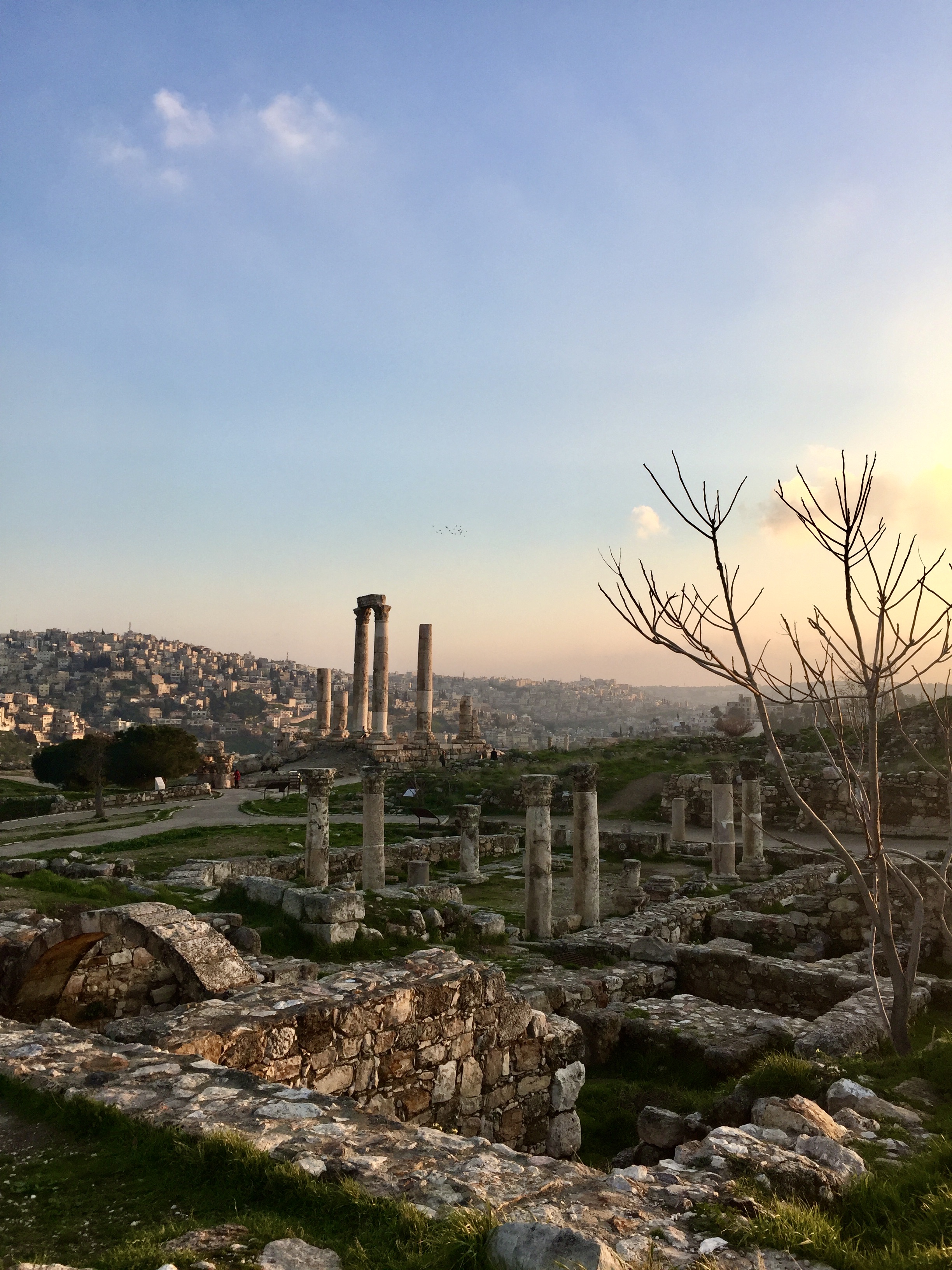
Dating back to the Bronze Age, the Amman Citadel holds many secrets to countless ancient civilizations — many of which are still being uncovered today by archaeologists. Standing on that hill where so many powerful dynasties had once ruled over Amman was an incredible feeling. And it’s easy to see why they chose to rule from the seat of Jabal Al Qal’a — the view is one of the best in all of Jordan.
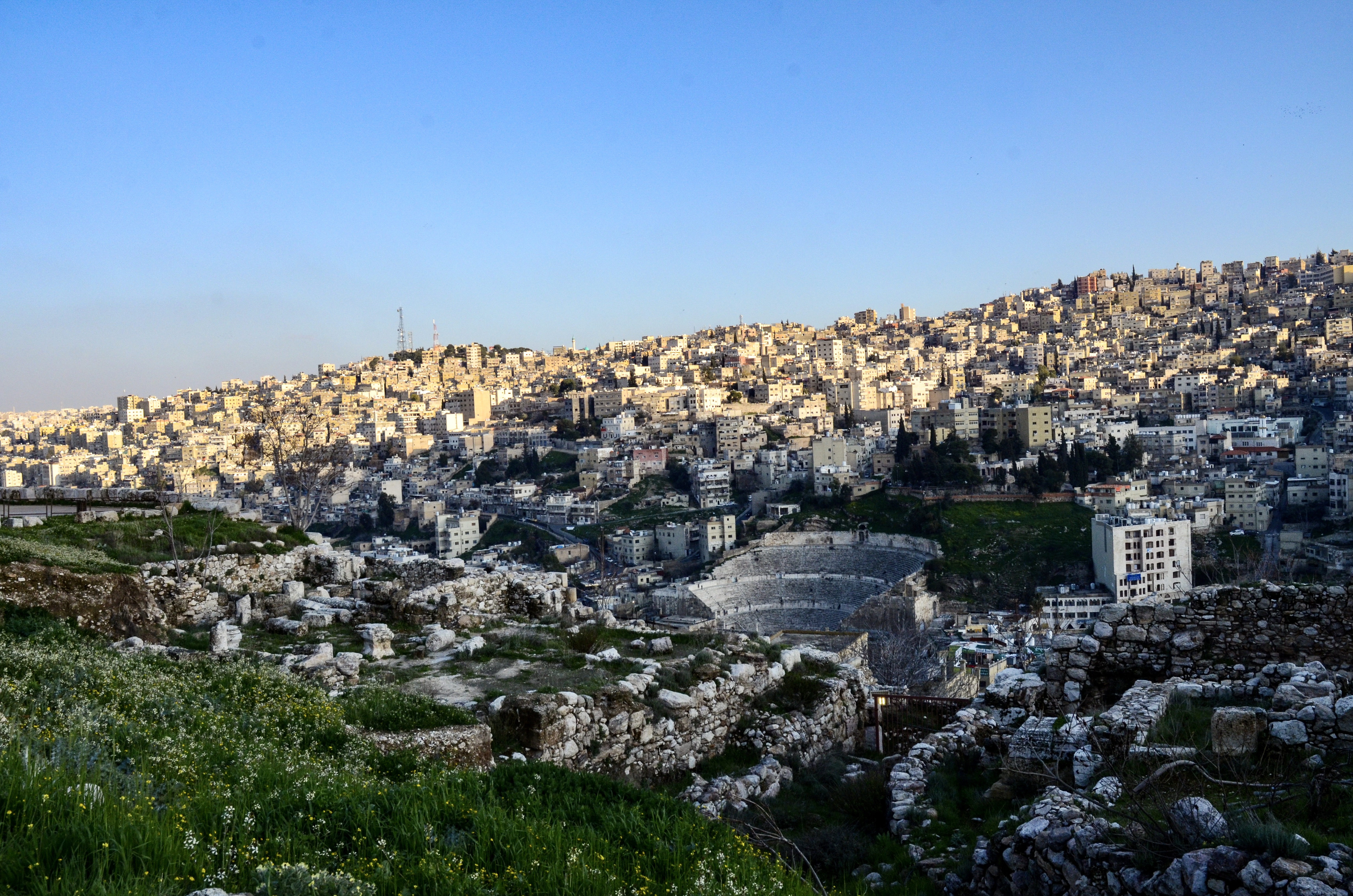
We began our tour by visiting the fragmented remains of the 6th century Byzantine Basilica and the Umayyad Palace, both destroyed by powerful, ancient earthquakes (although the latter has been beautifully restored).
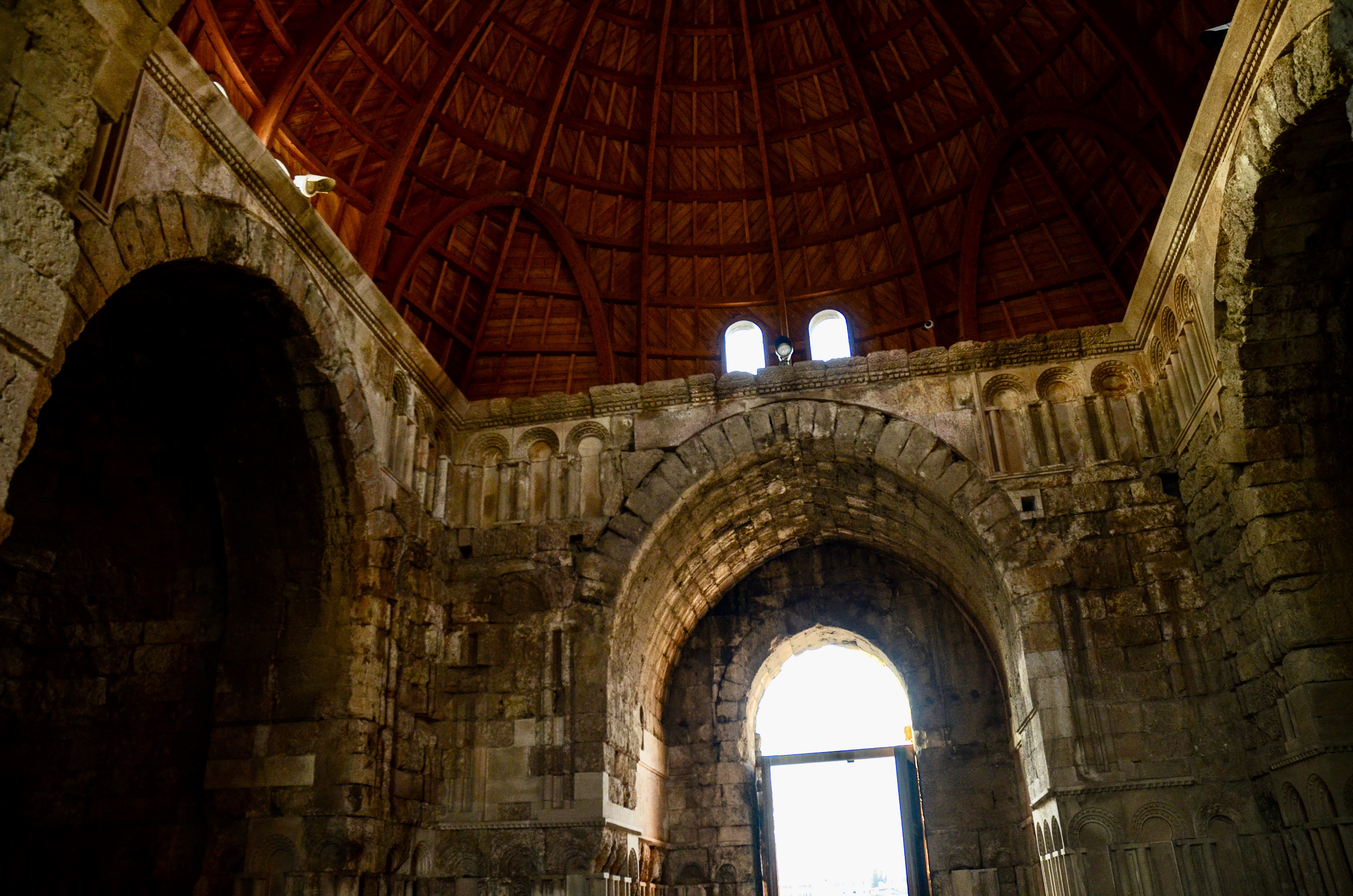
Home of the gods
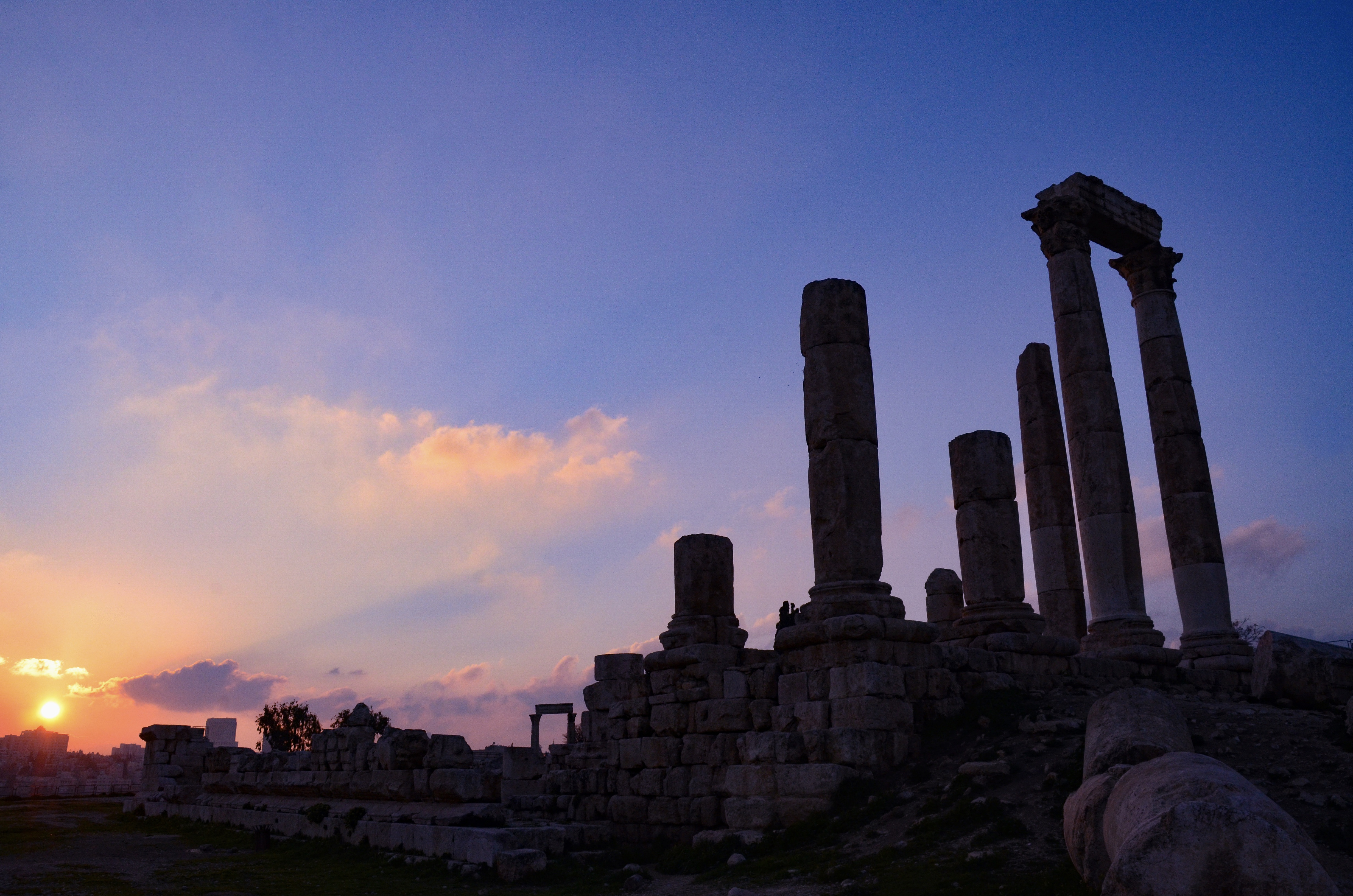
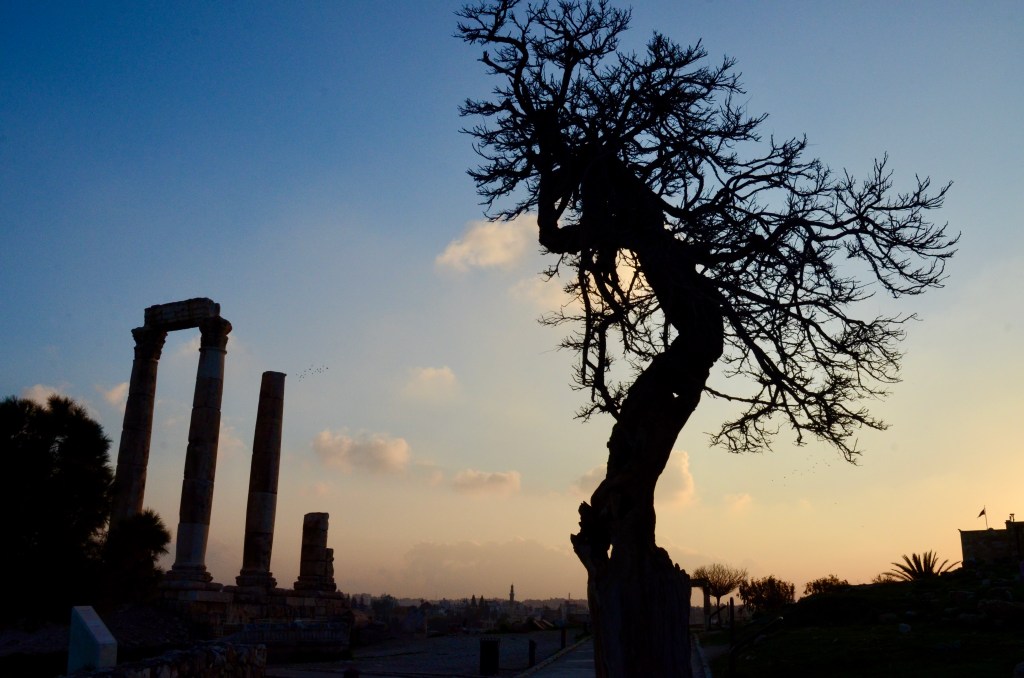
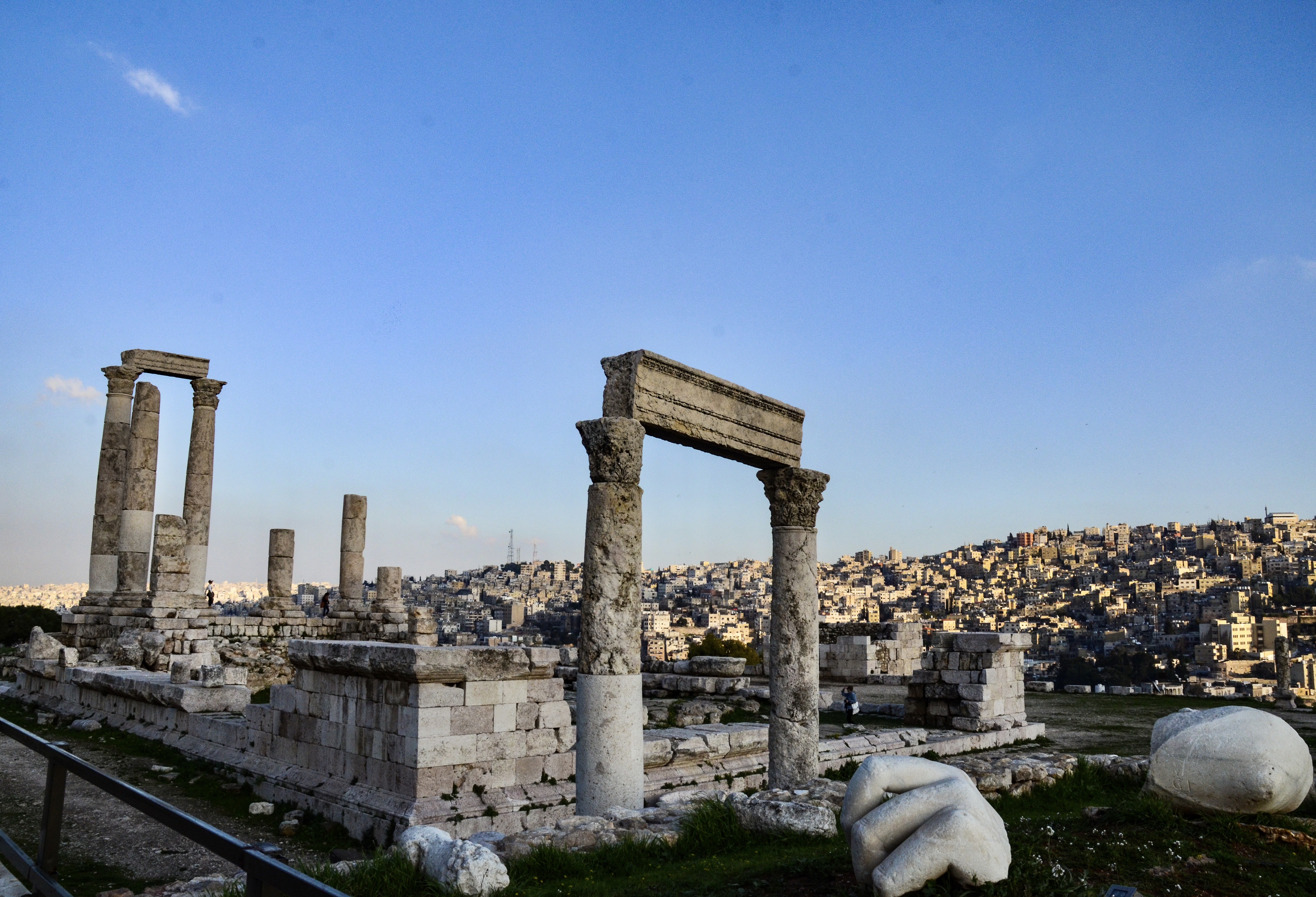
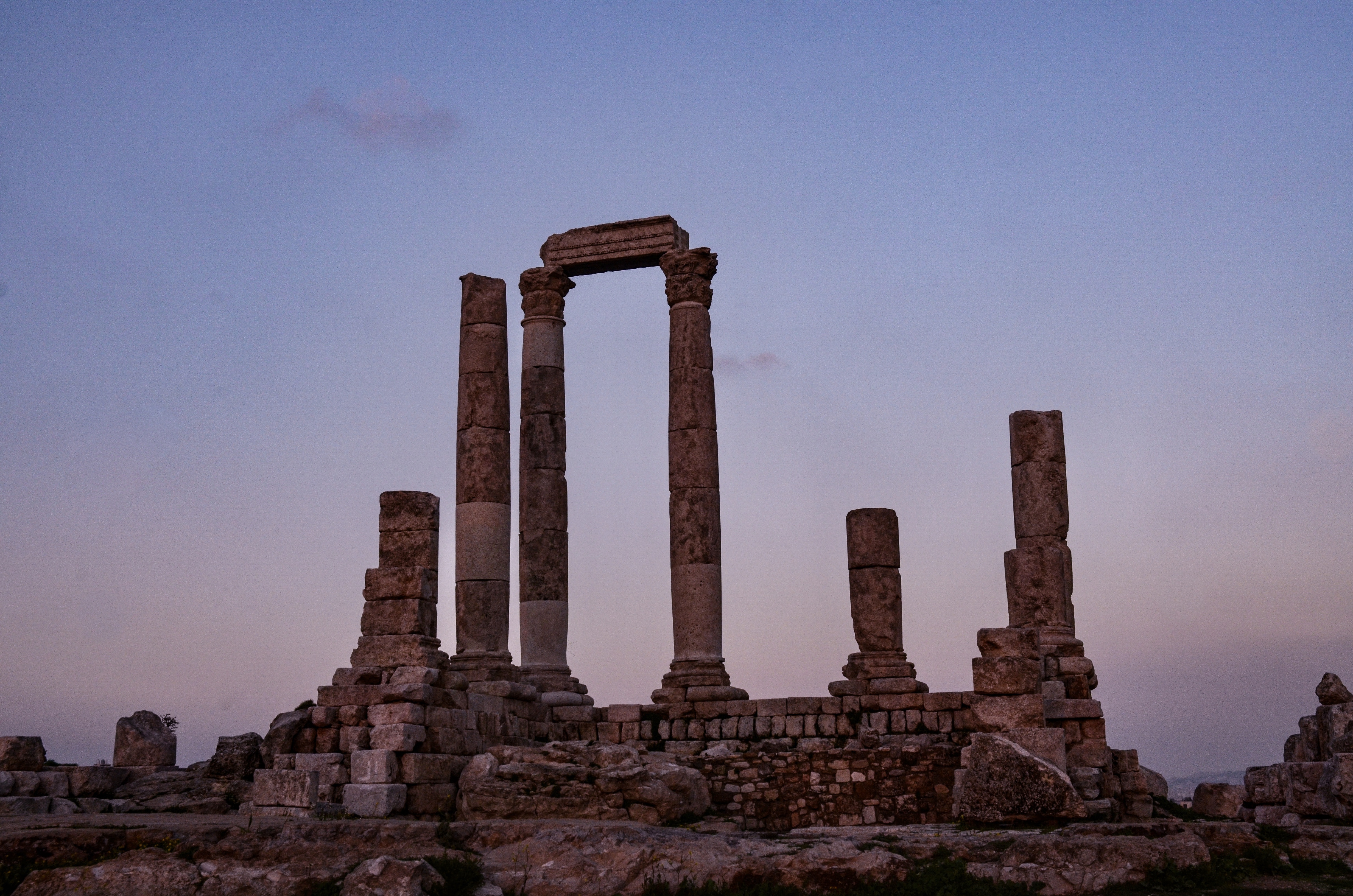
We purposely saved the best sight for last. As sunset fell, we walked through the giant archway of the Roman Temple of Hercules.
Built during the reign of Marcus Aurelius, the mall of towering pillars and carved stones remains as proud and majestic as the long-gone emperor. It’s said that this temple would have been absolutely massive, even taller than the greatest temples of Rome.
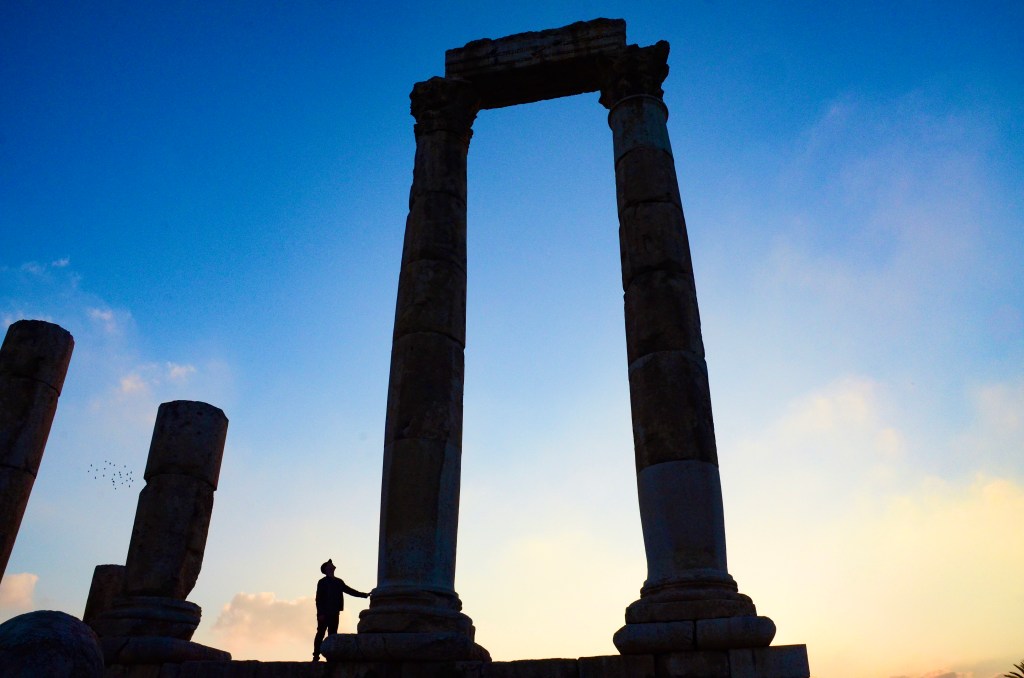
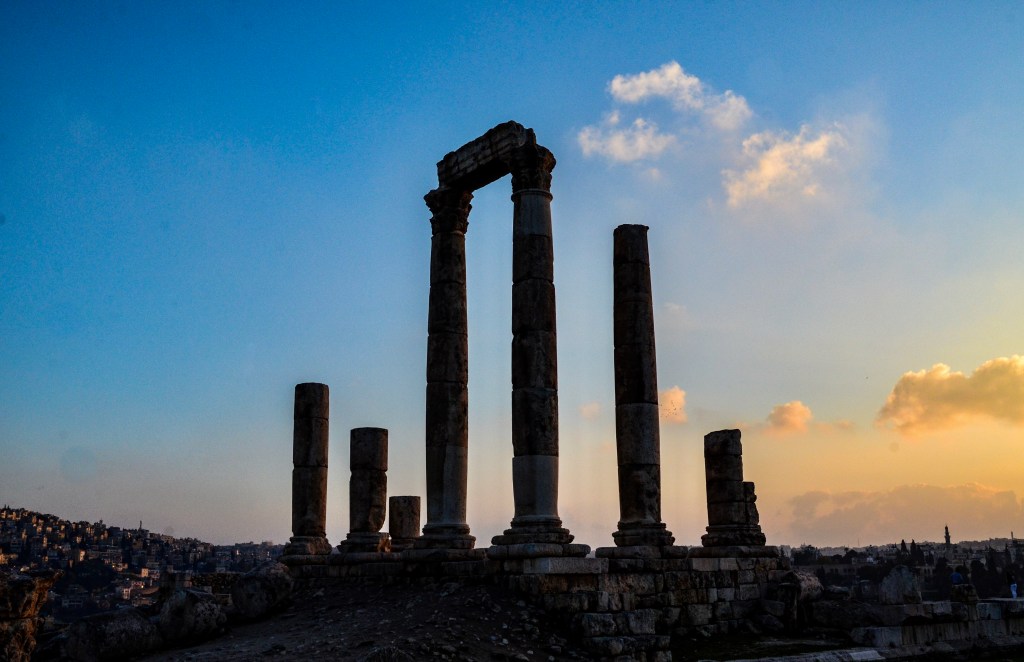
At the heart of this incredible scene is the three-fingered Hand of Hercules. From the size of the fingers alone, one can imagine just how grand the full statue must have been. This monument to the Demi-god was surely awe-inspiring.
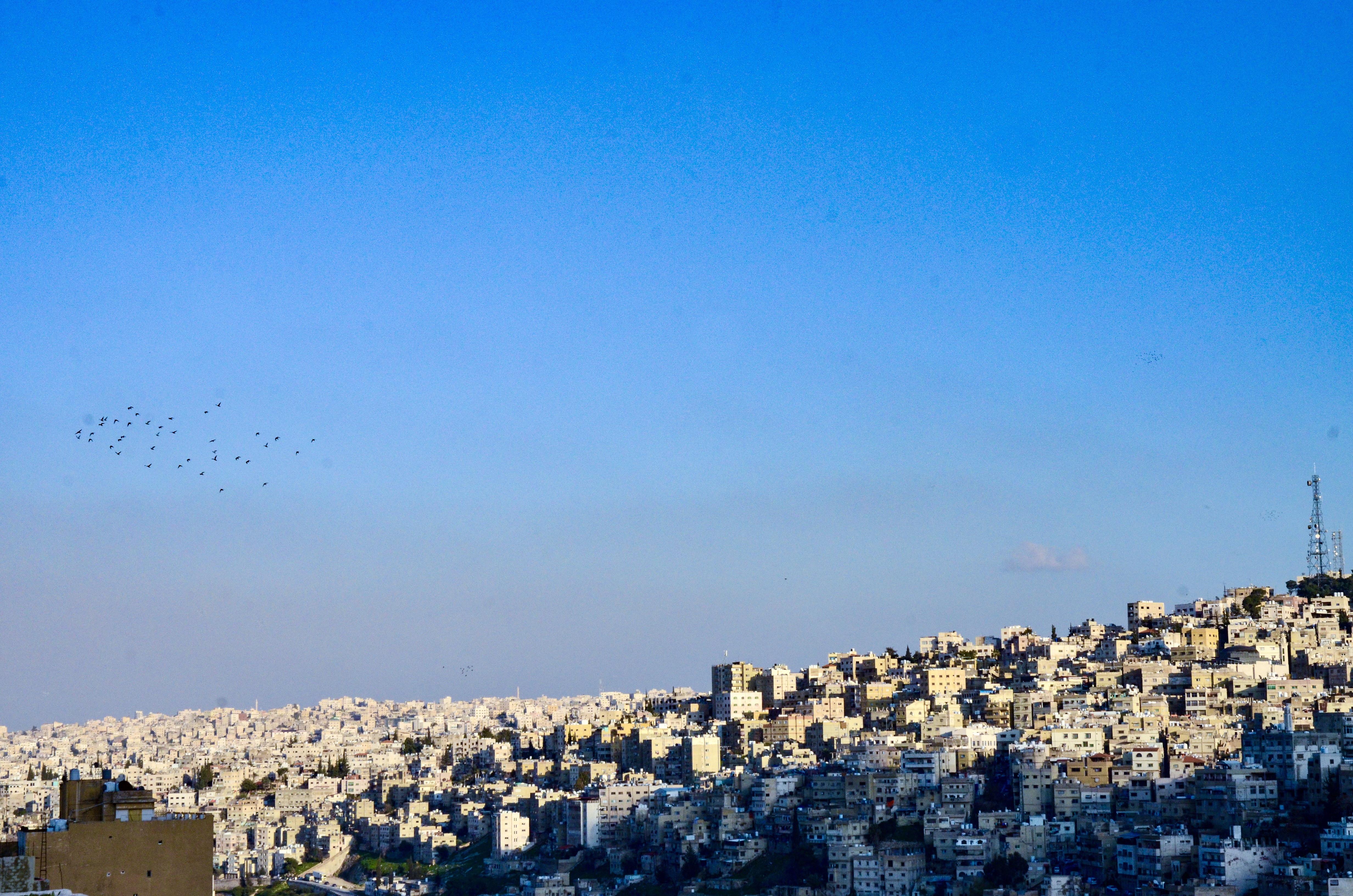
With night fast approaching, we sat at the edge of the hill, watching flocks of birds soar through waves of lavender and blue, the big skies of Amman. I later learnt these were domesticated doves — a fitting ode to a city steep in antique beauty and intrigue.
 thewanderingfellows