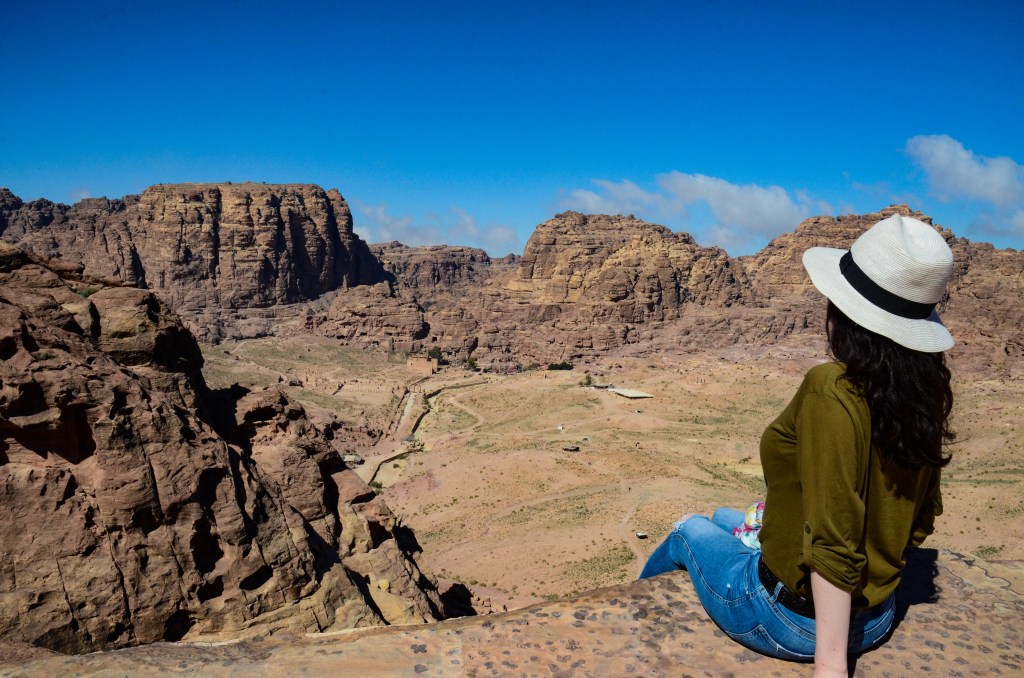
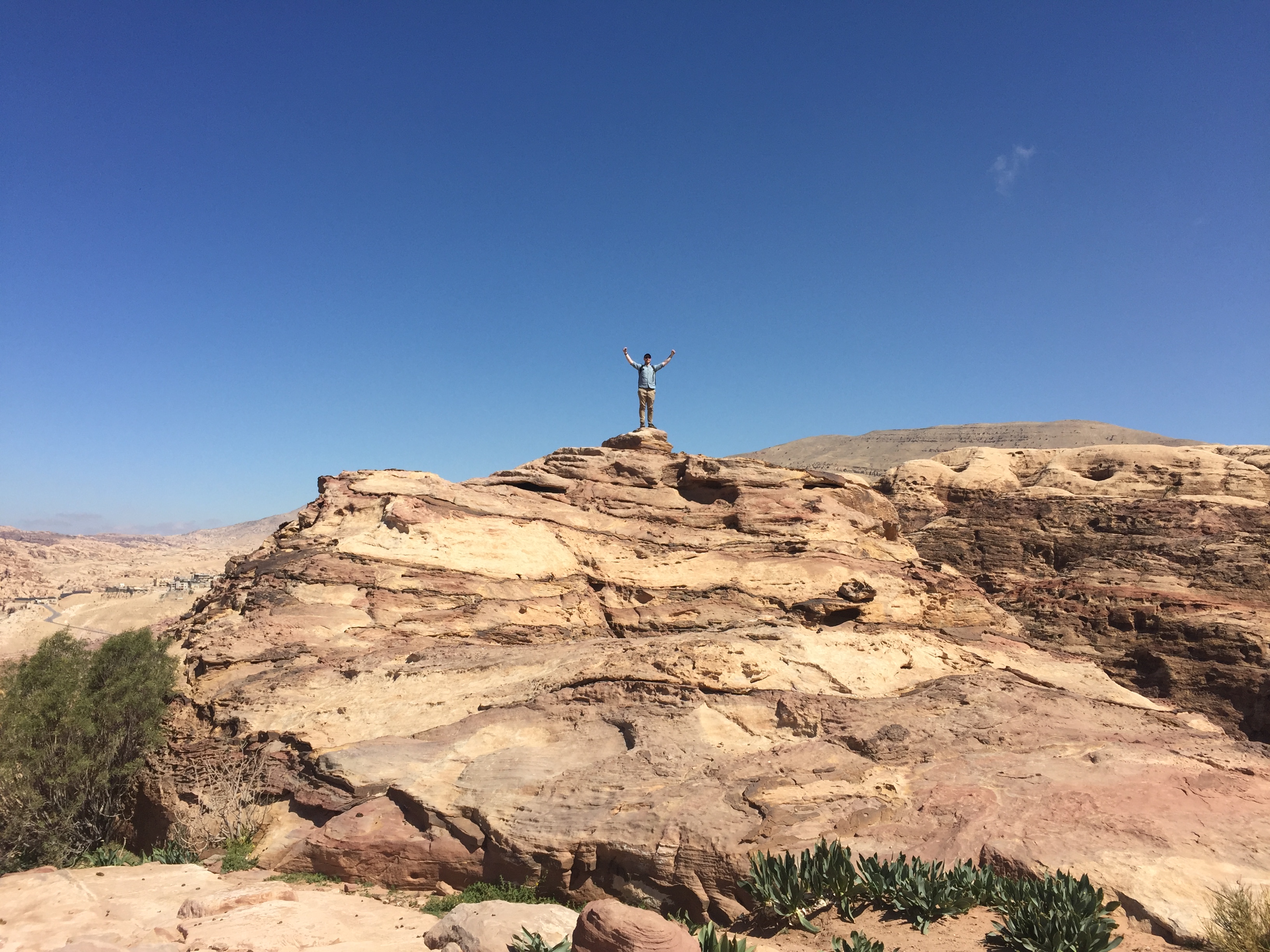
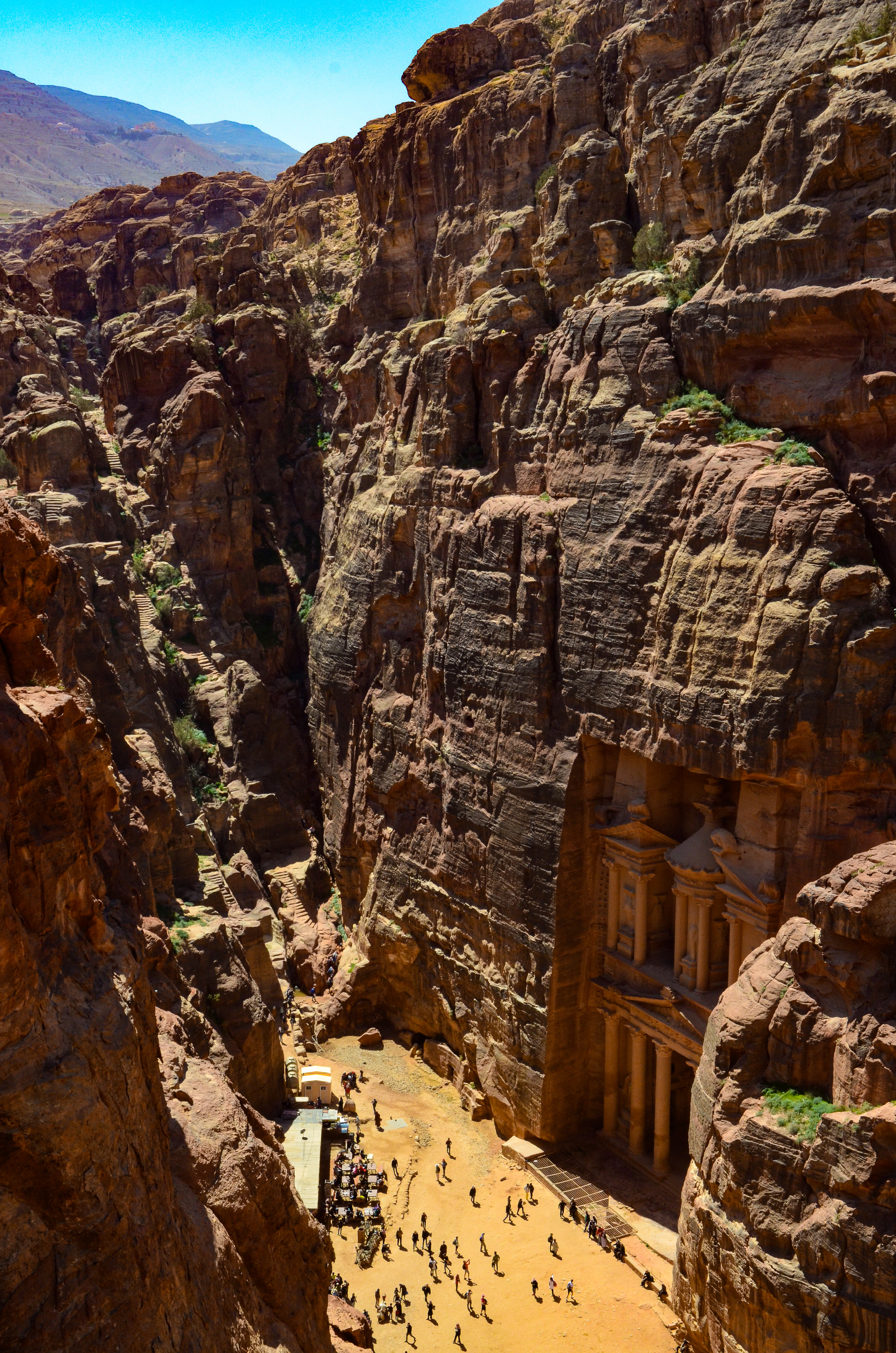
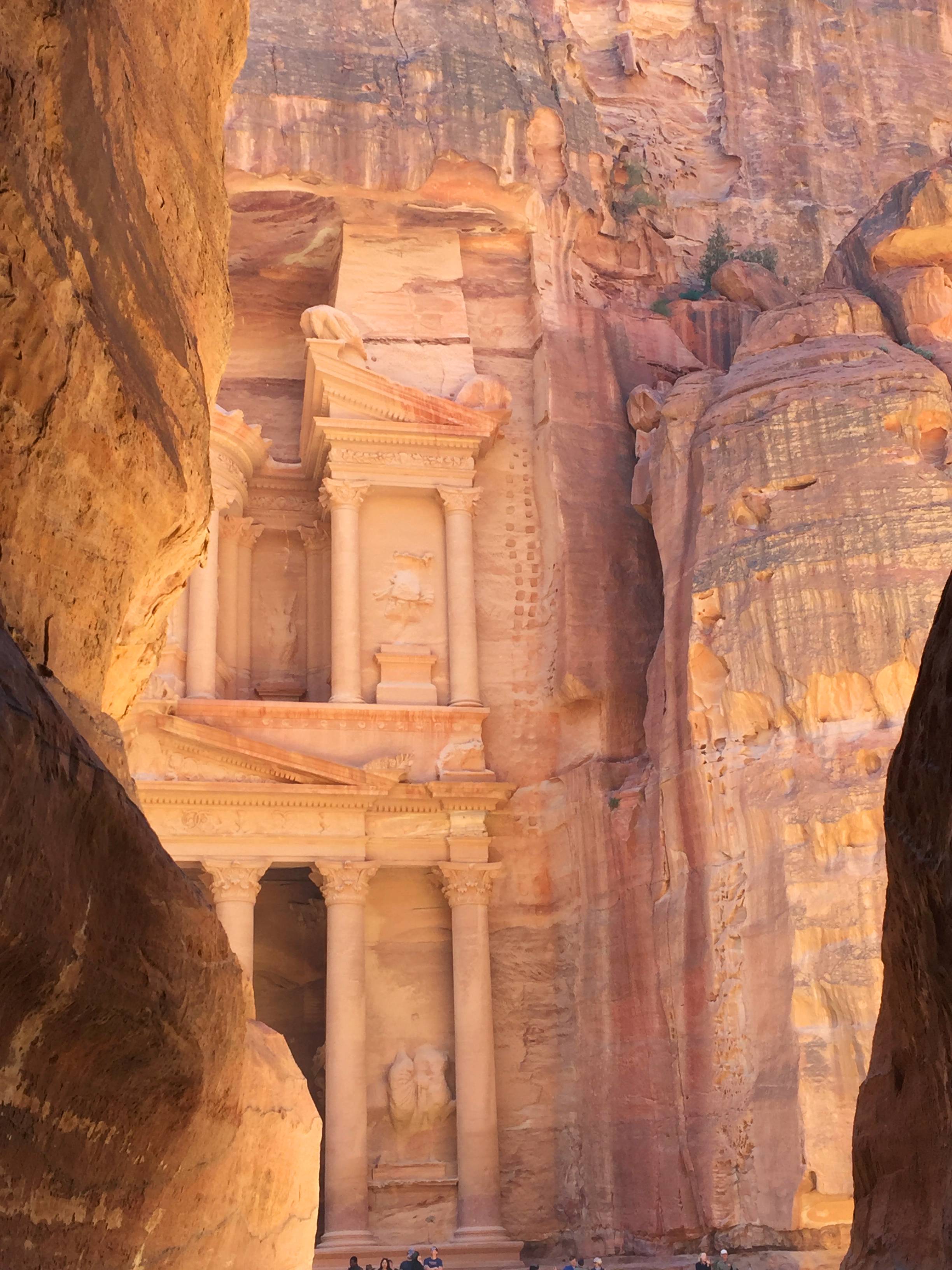
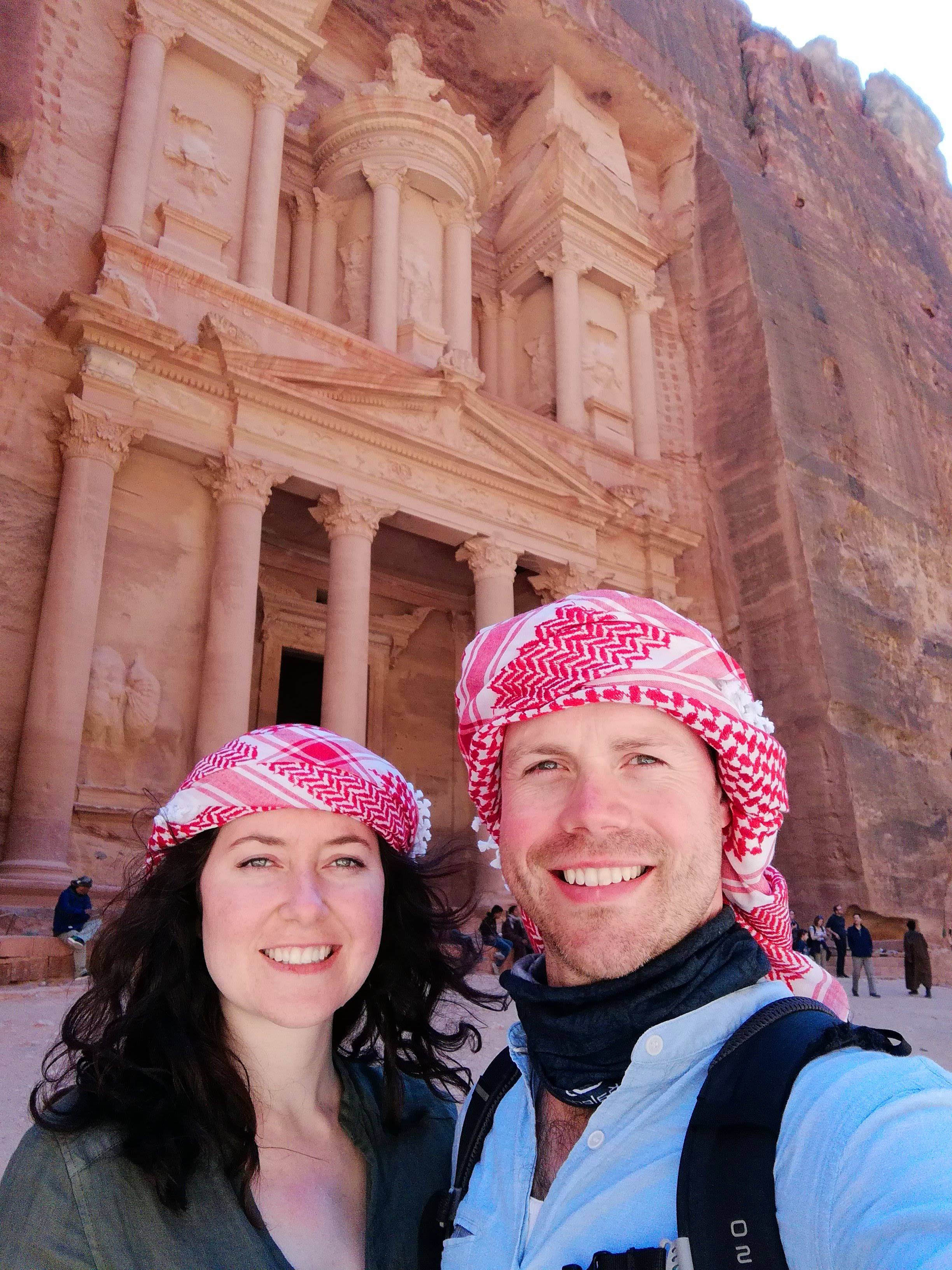
We stood at the top of the world. The land ran away from us for miles, stopping only to dive into a deep blue horizon. The sun felt close, almost too close, and though we were burning up, we couldn’t tear our eyes away from the scene before us. The rosy pillars of the Treasury and the red canyons of Petra stood far below — with people, camels and donkeys alike all ambling along down one long, curving path.
From here, the highest point in the surrounding desert, we could see it all, and the feeling was powerfully invigorating. From our high place, we watched over the ancient city, just as the Nabatean inhabitants, Roman invaders and countless merchants, pilgrims and travellers had done so, many thousands of years ago.
On our first day in Petra, Jordan, we had already explored the famed Street of Facades and the Roman Colonnaded Street. By the afternoon, we were ready to see it all from a different point of view.
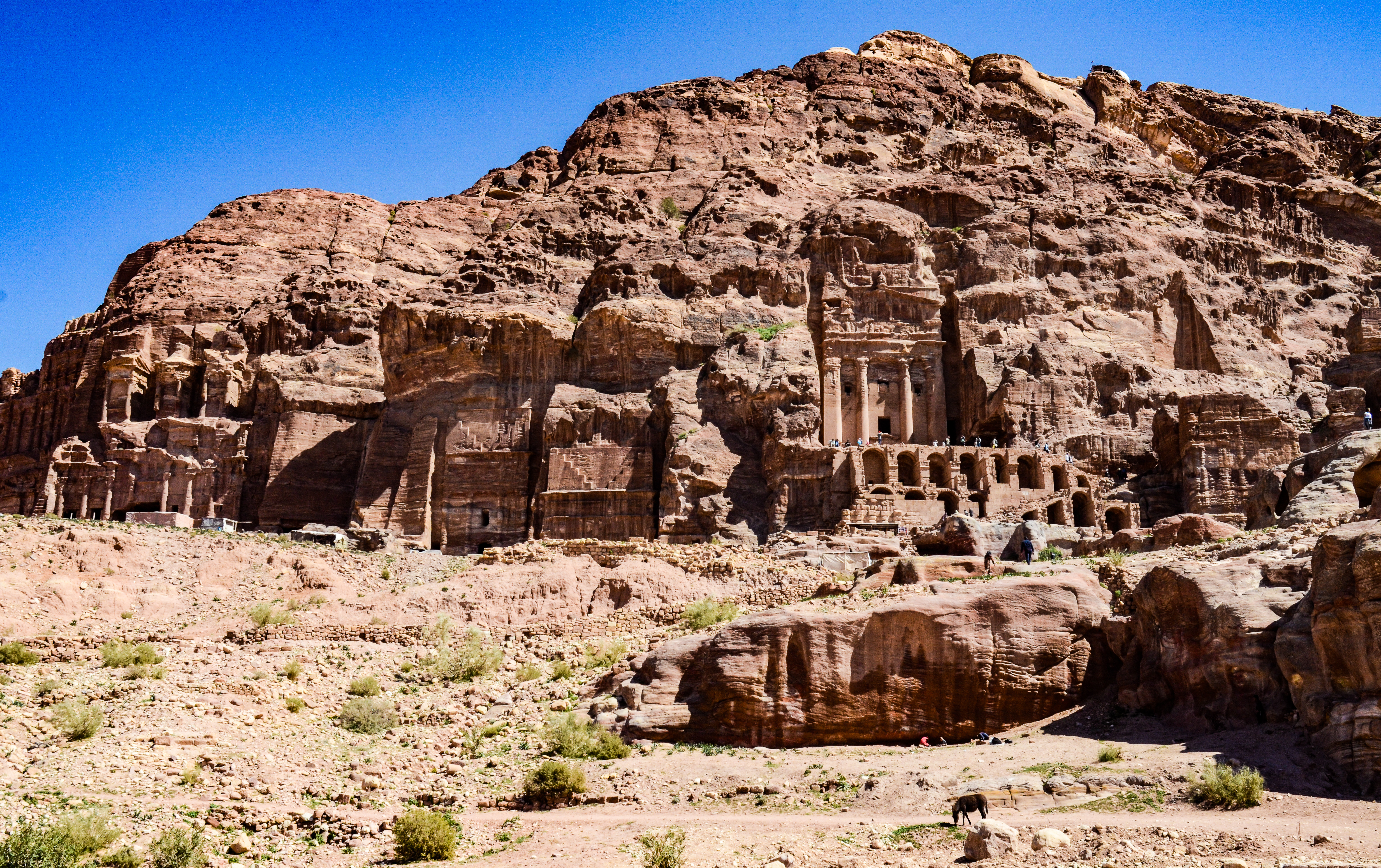
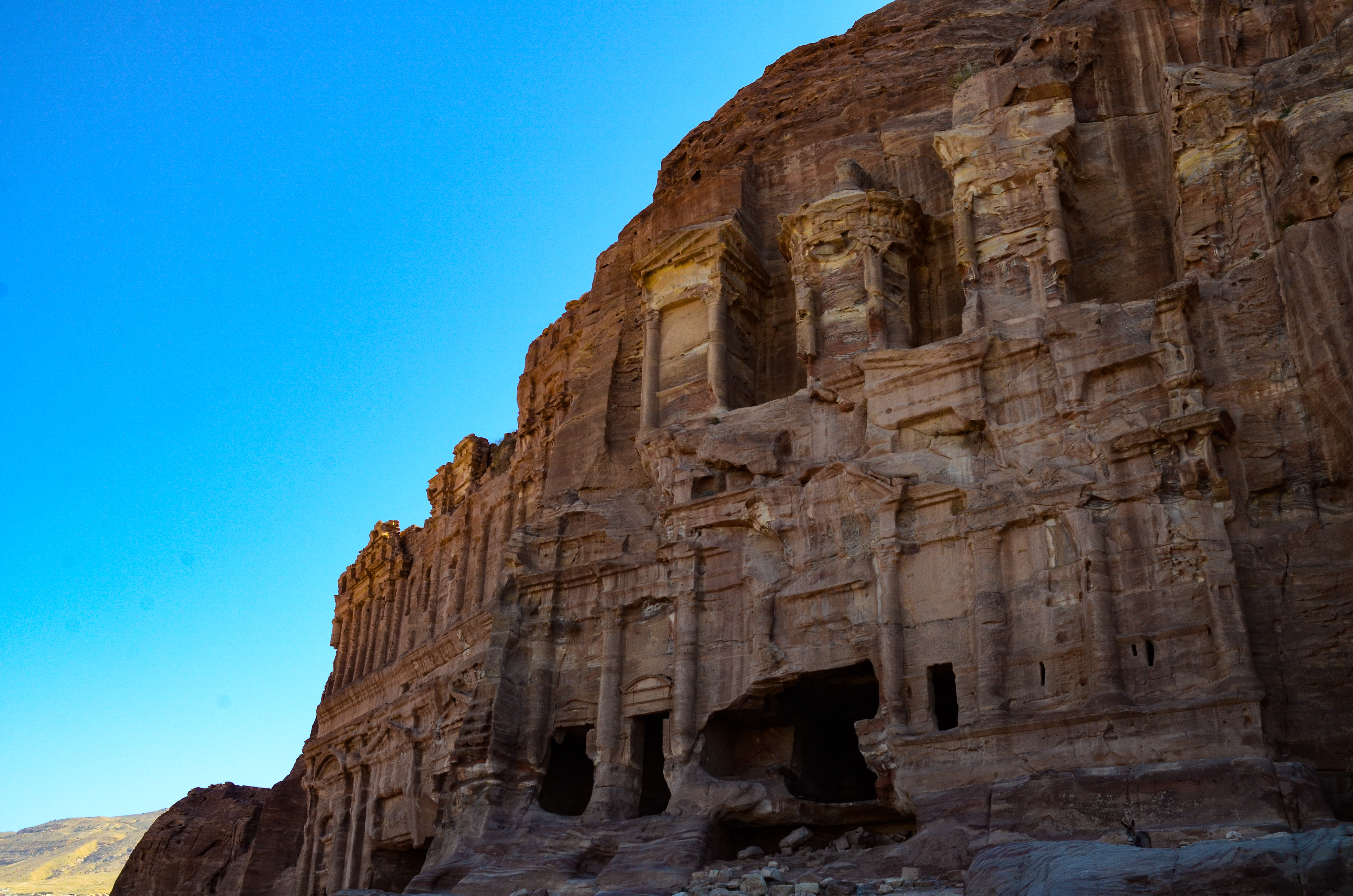
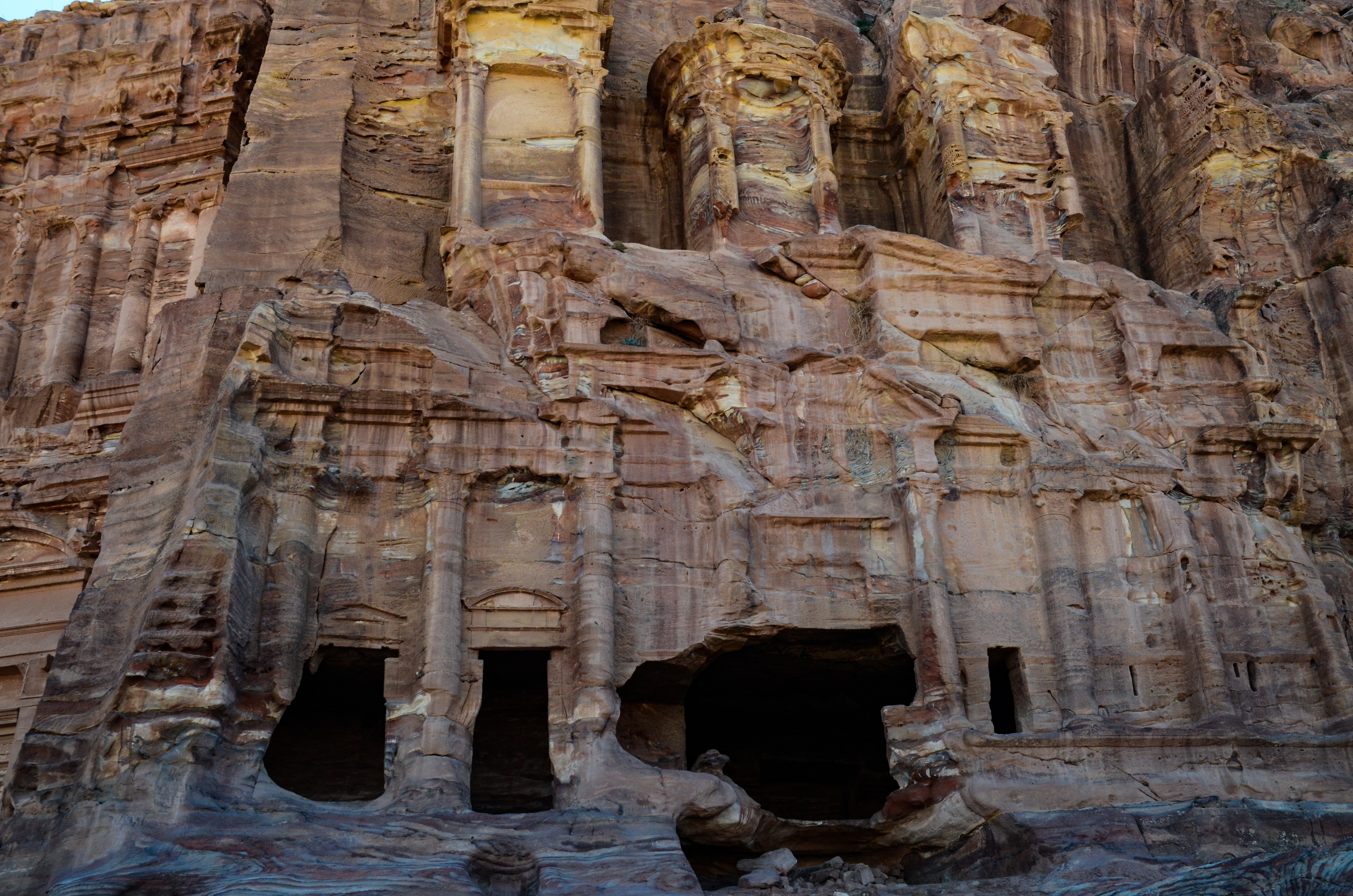
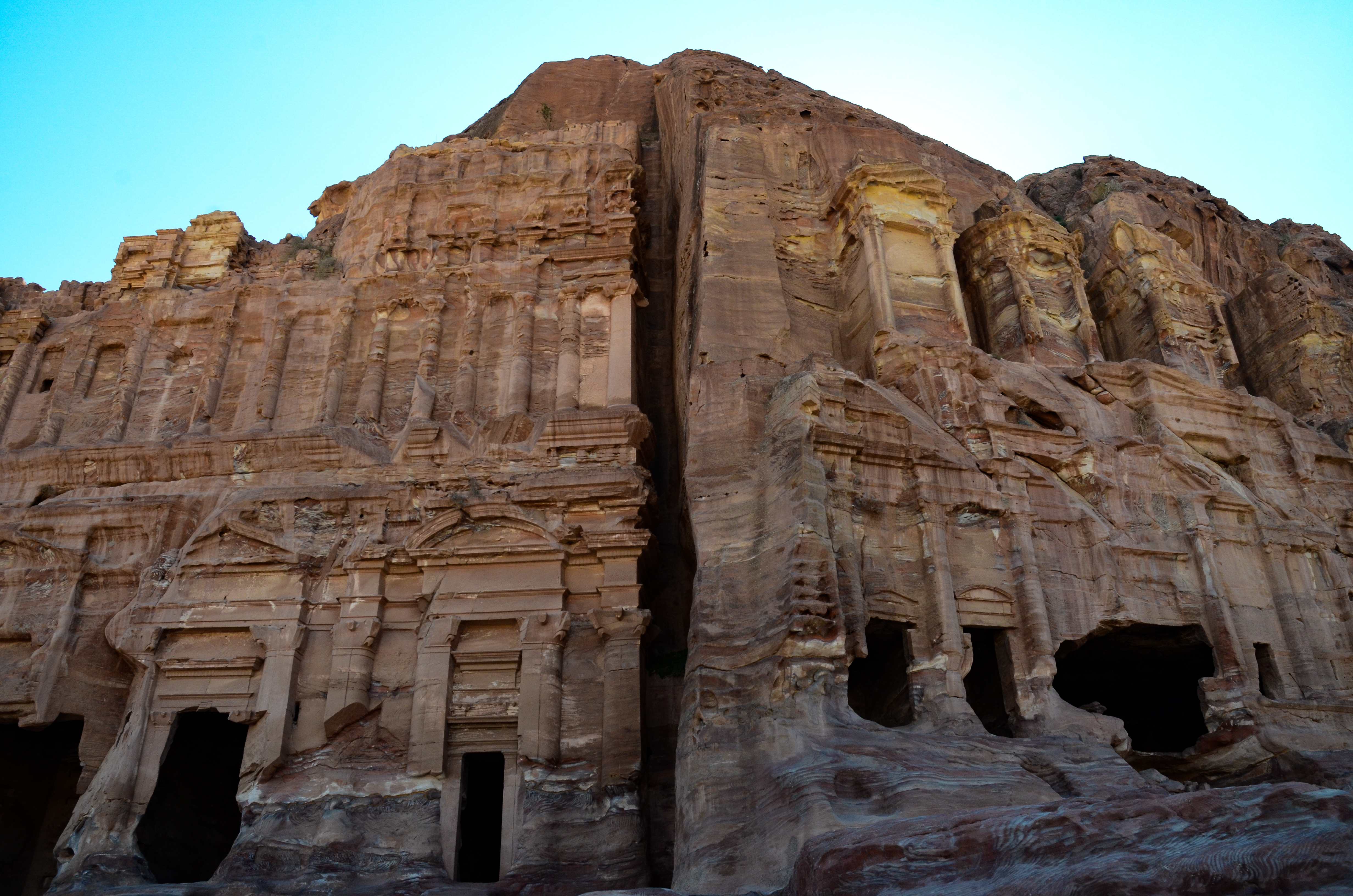
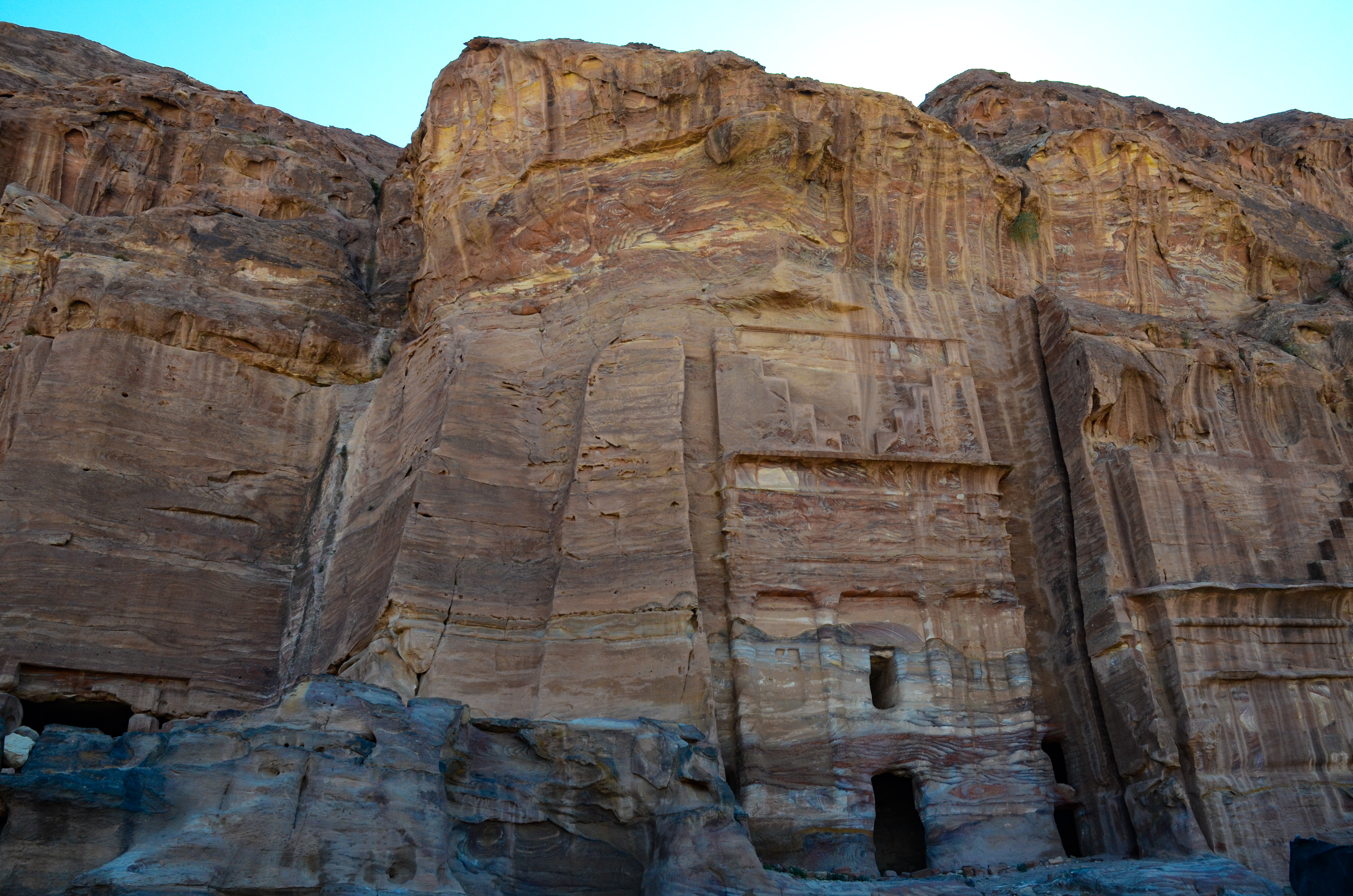
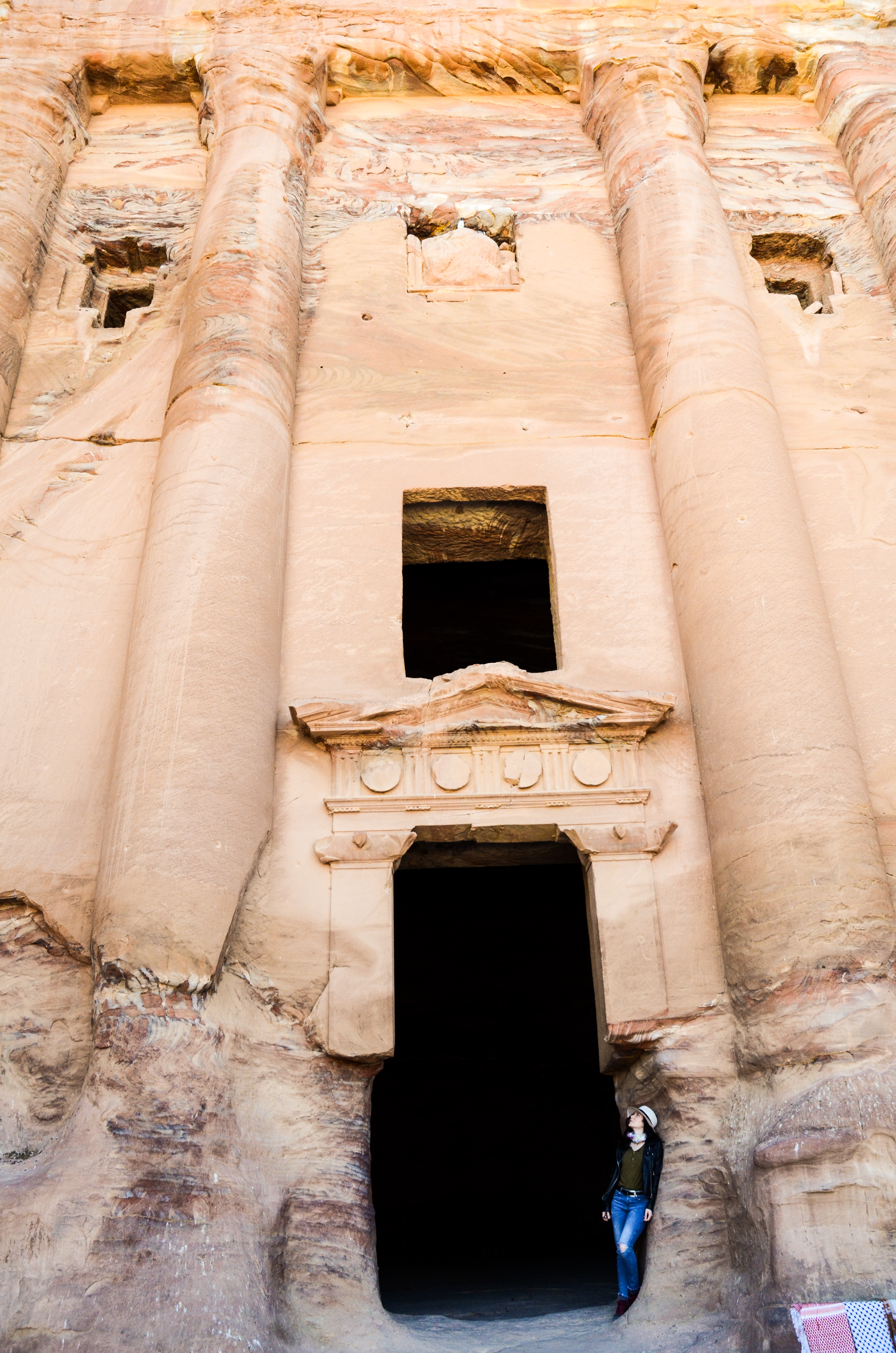
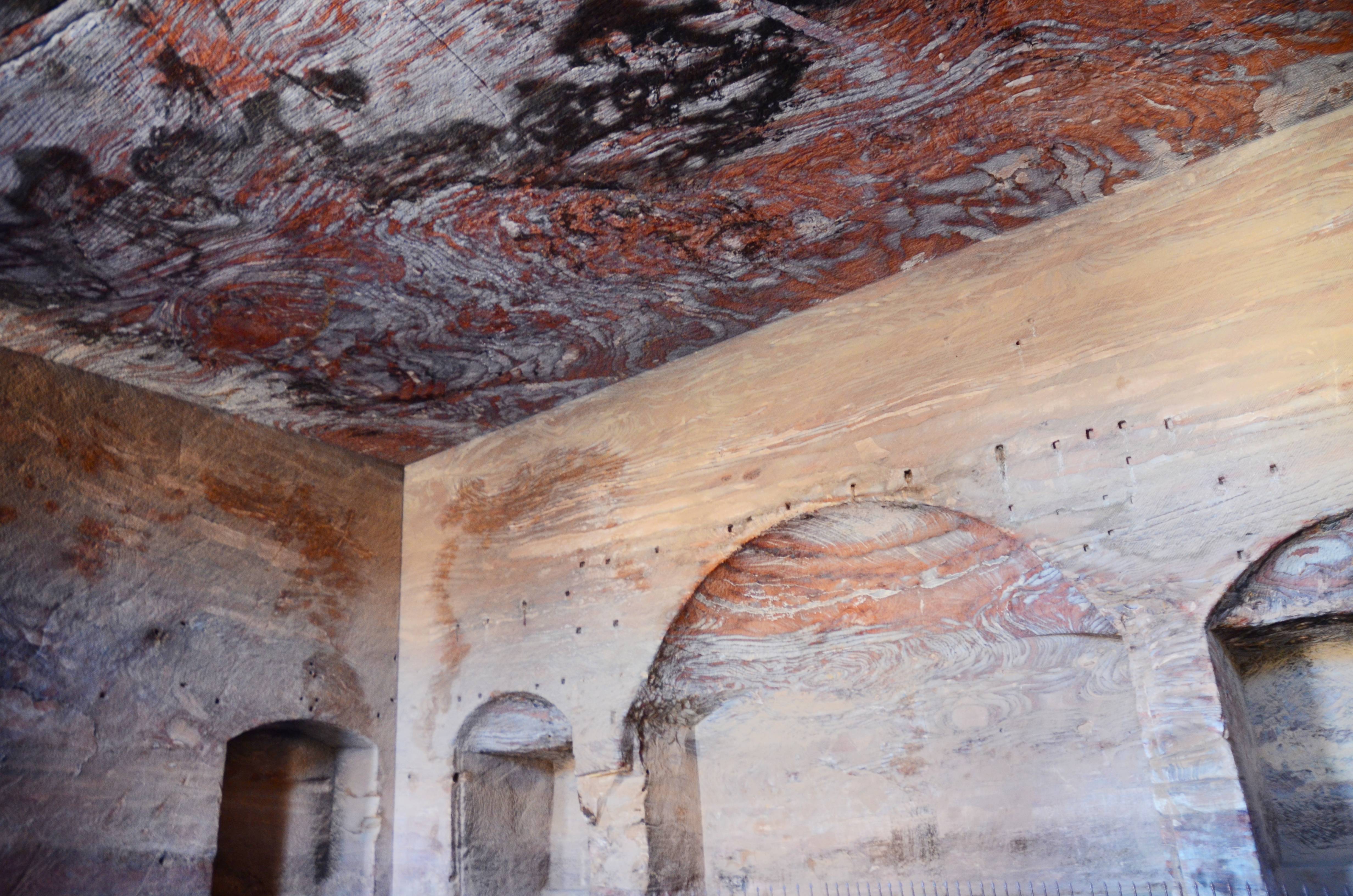
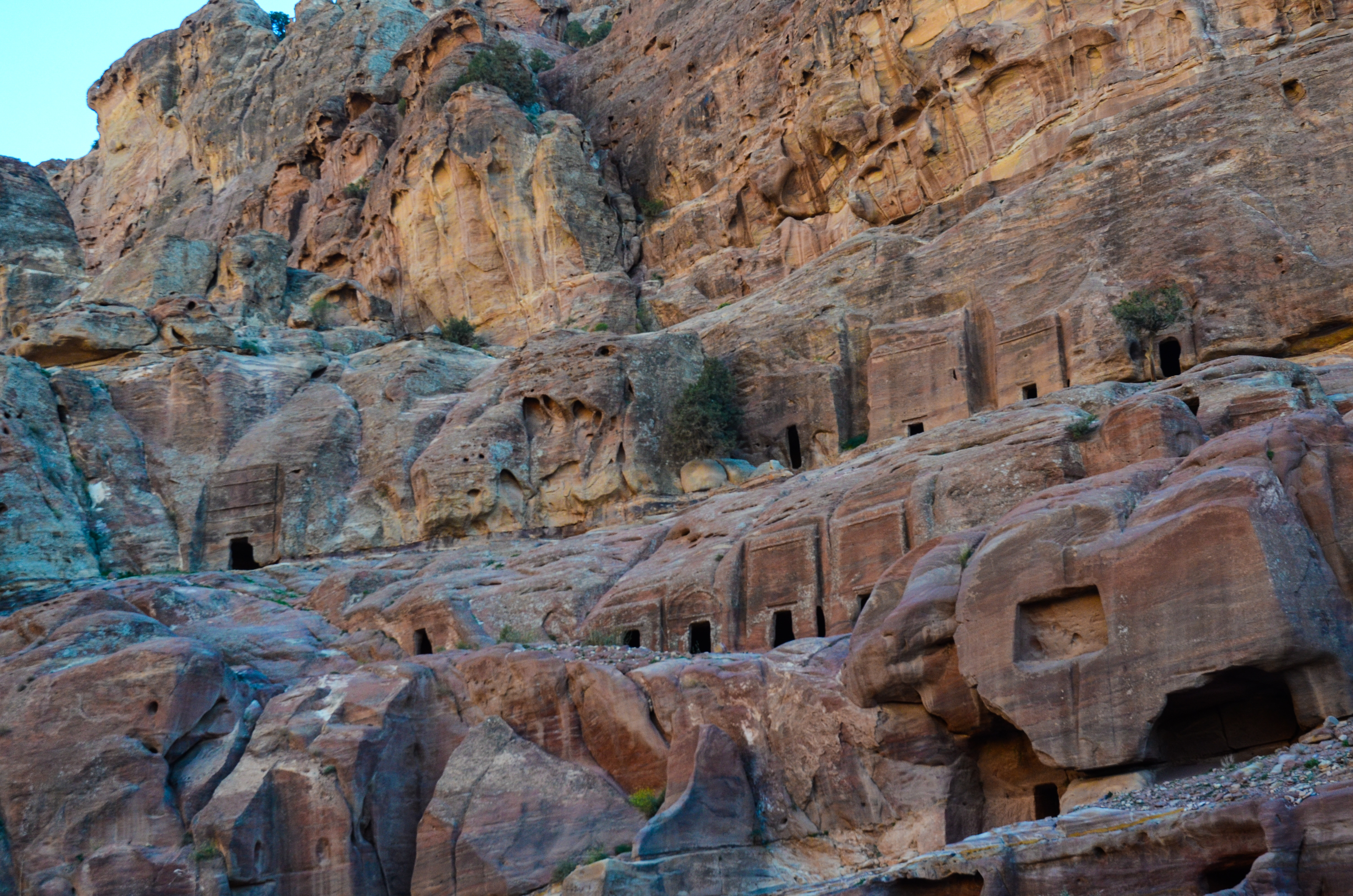
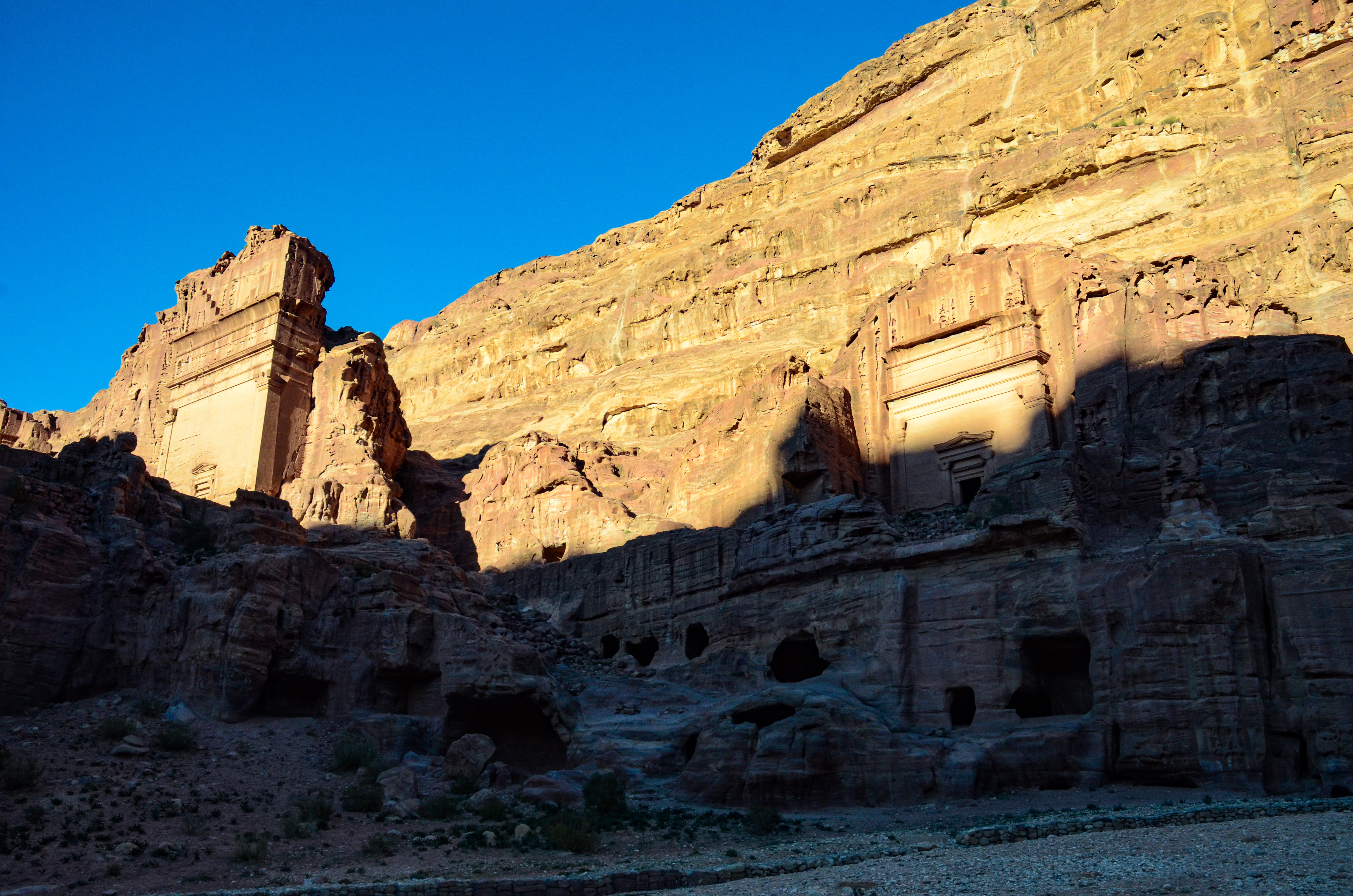
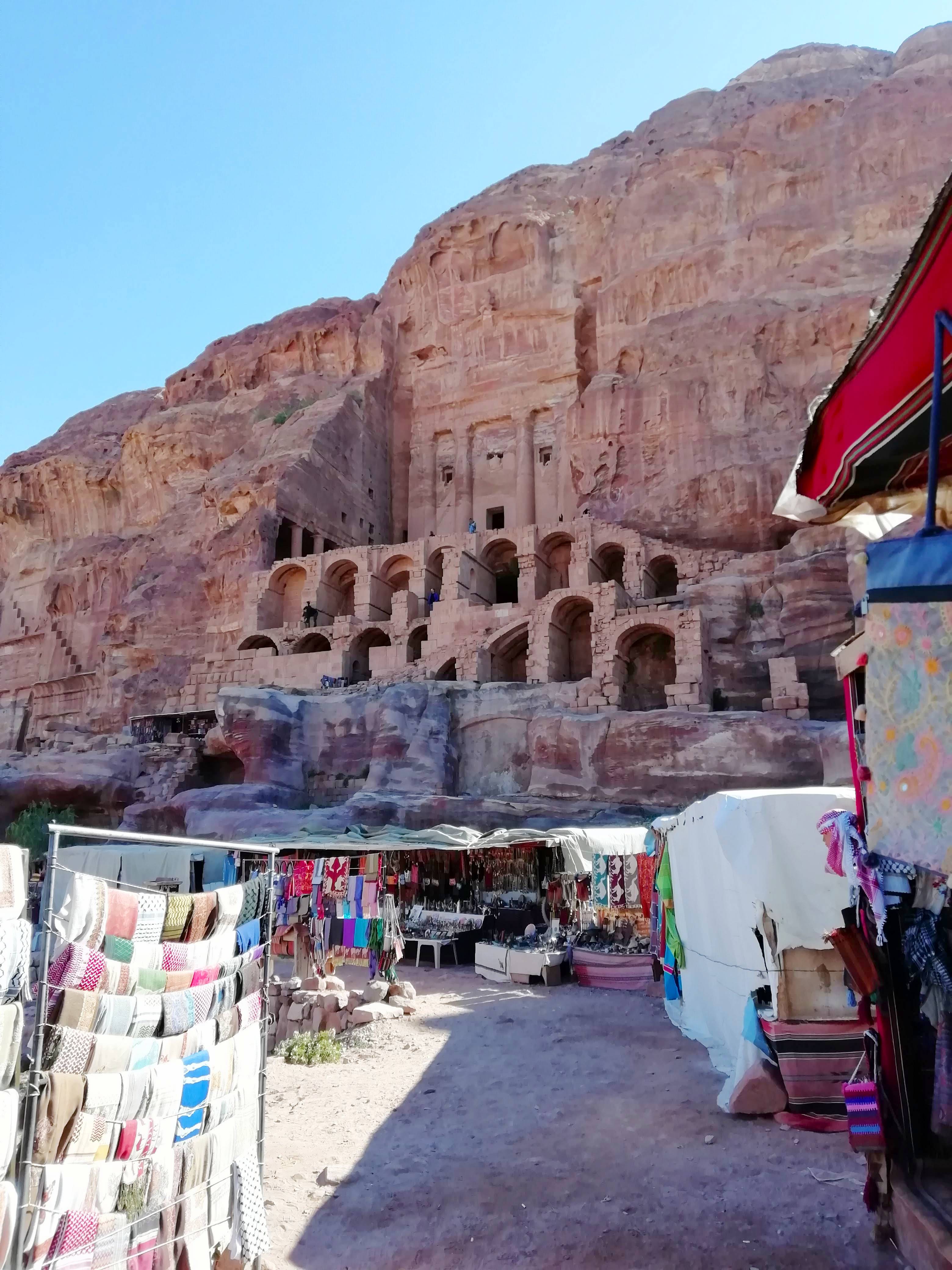
We began our hike on a little path just off of the Street of Facades, which took us right up to the Royal Tombs. There’s a lot to see here, but the best are the Palace and Corinthian tombs to the far left side, and the magnificent Urn Tomb higher up on the hill. Although they’re not as famous as the Treasury or Monastery, they felt older and more mysterious — even a little spooky. Unlike other structures in Petra, they have been exposed to the winds and storms of the desert and are visibly more eroded.

Next to the Palace Tomb, there was a sign marking the way to the Al-Khubtha Trail. We followed a winding trail of steep stone steps up and up the mountain — it was tough but we were lucky that it wasn’t too hot that day!

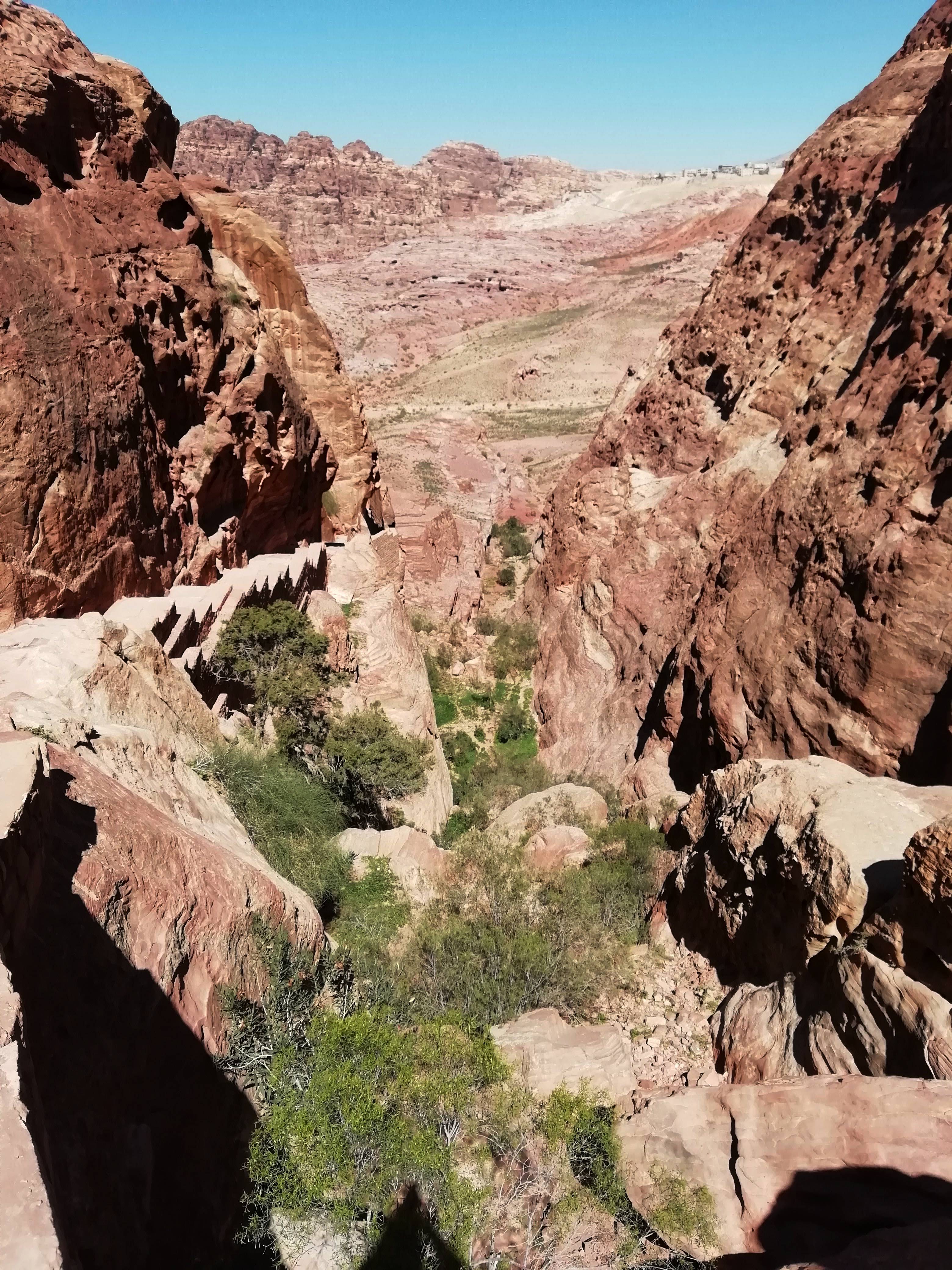
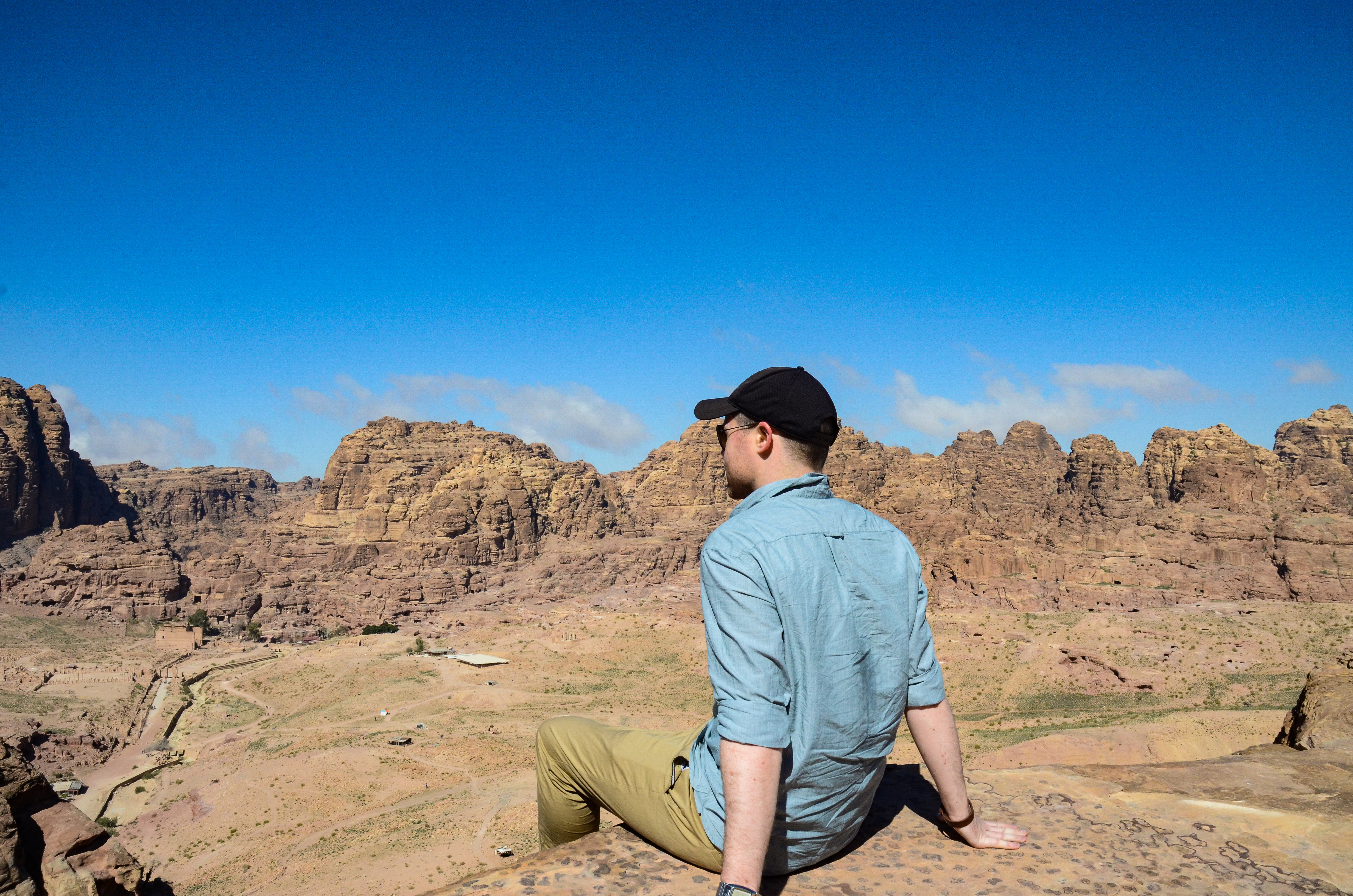
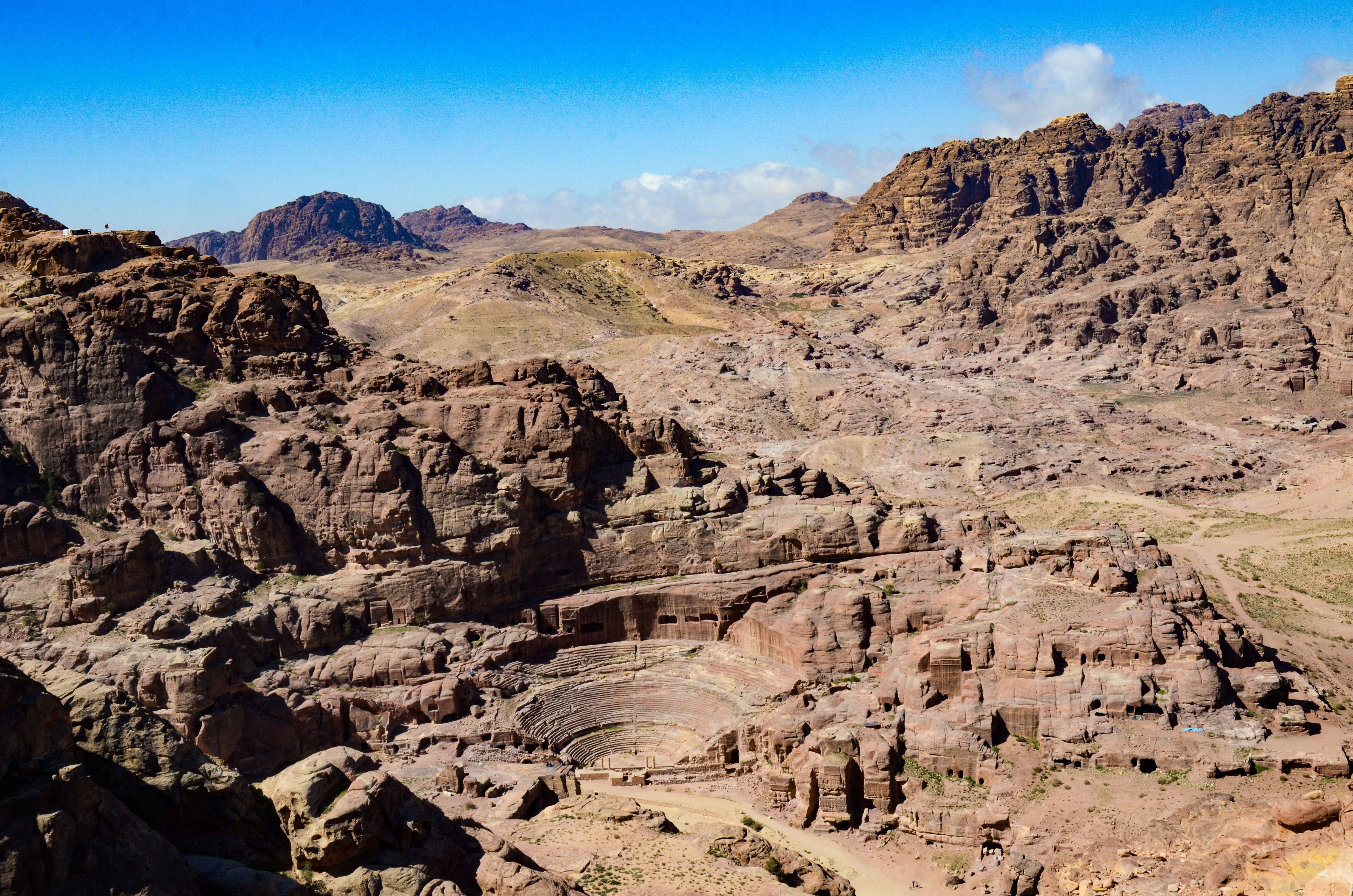
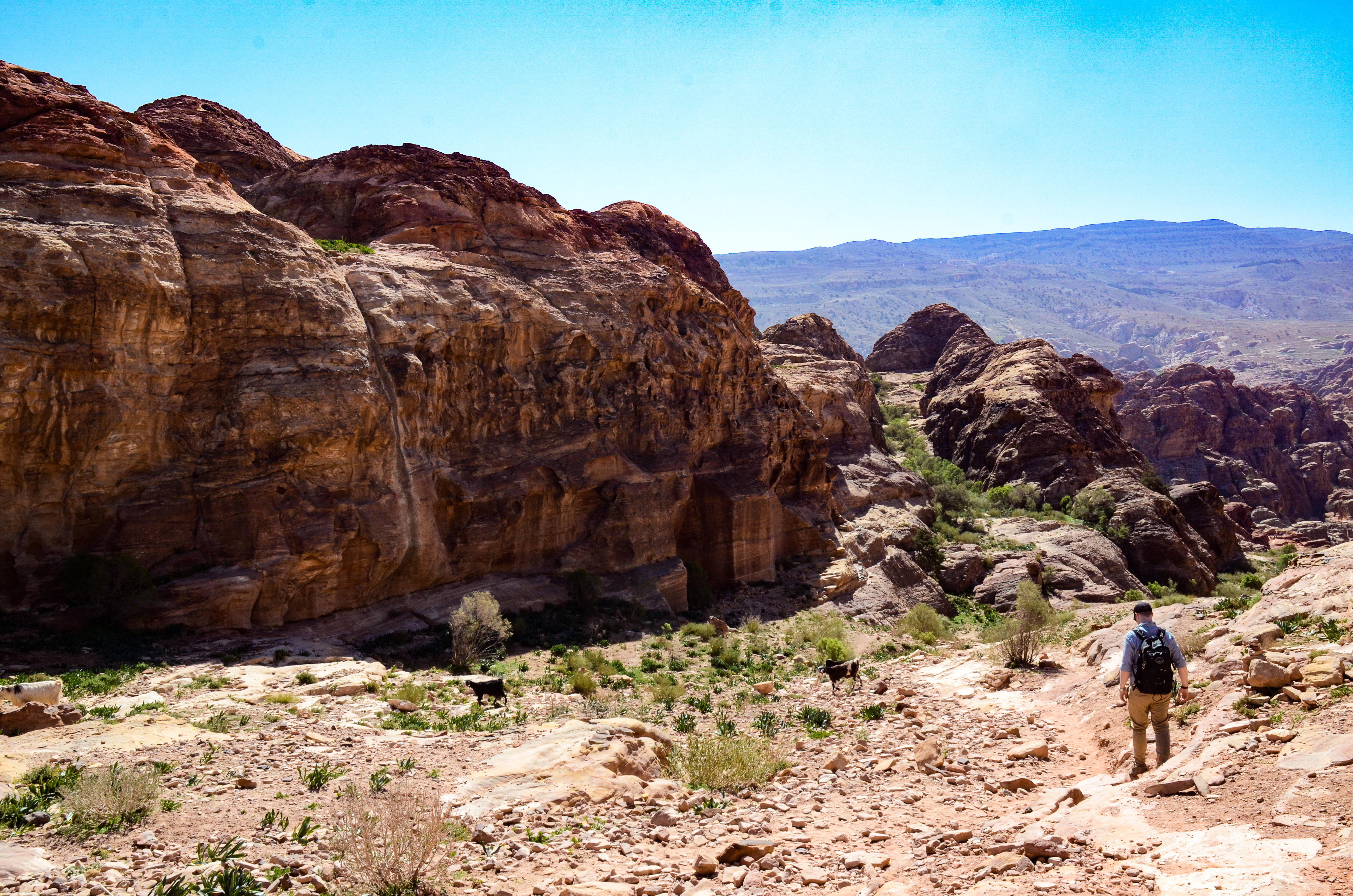
The upwards hike was well worth it — the views at the Al-Khubtha High Place were absolutely stunning. We sat and tried to take it all in for a while, before continuing down our rocky path through the incredible desert. Each step seemed to bring us to an even better viewpoint. Soon we had found the perfect bird’s-eye-view of Petra, with the circular first-century Nabatean Theatre standing out among the rocky landscape.
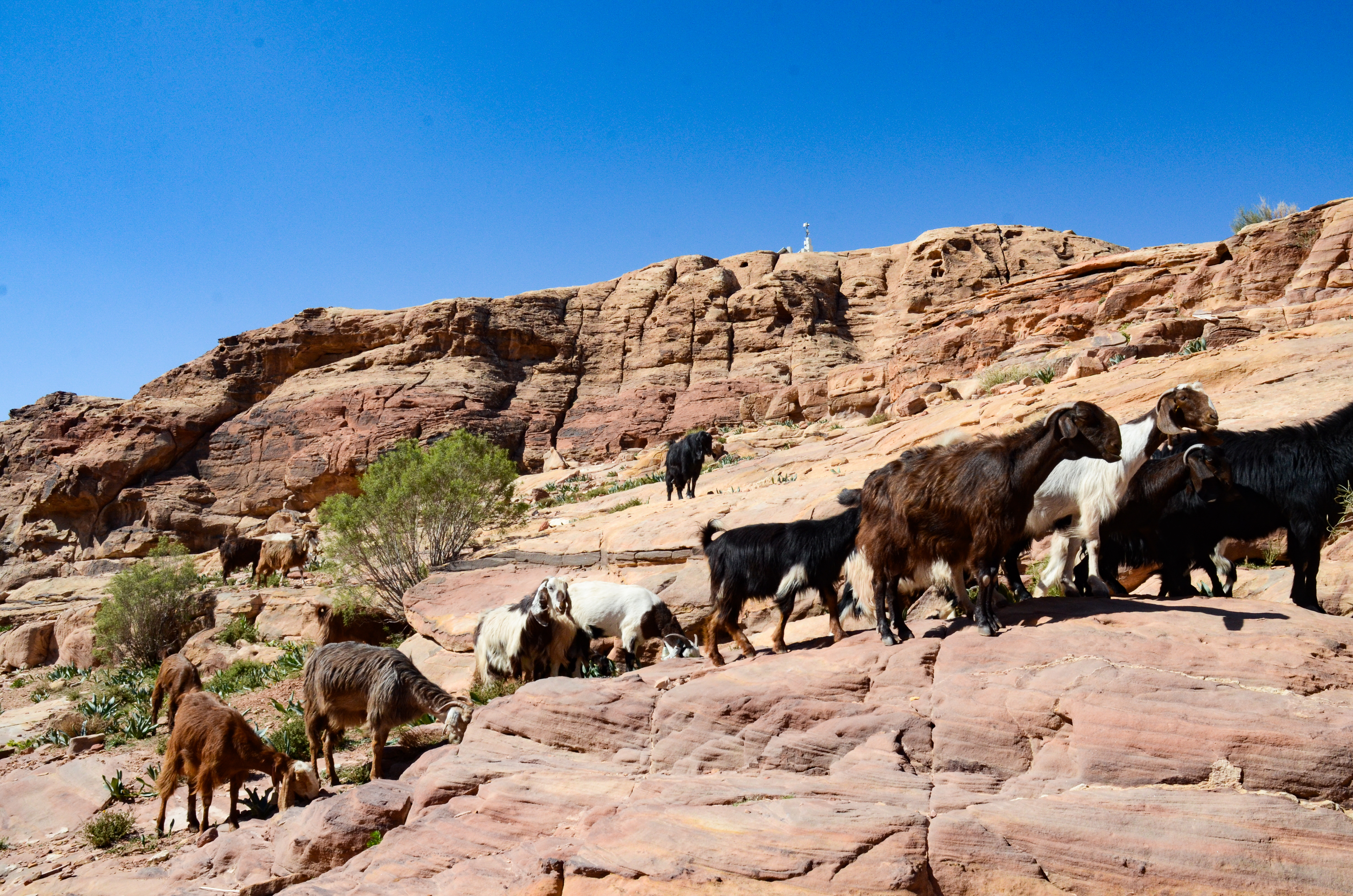
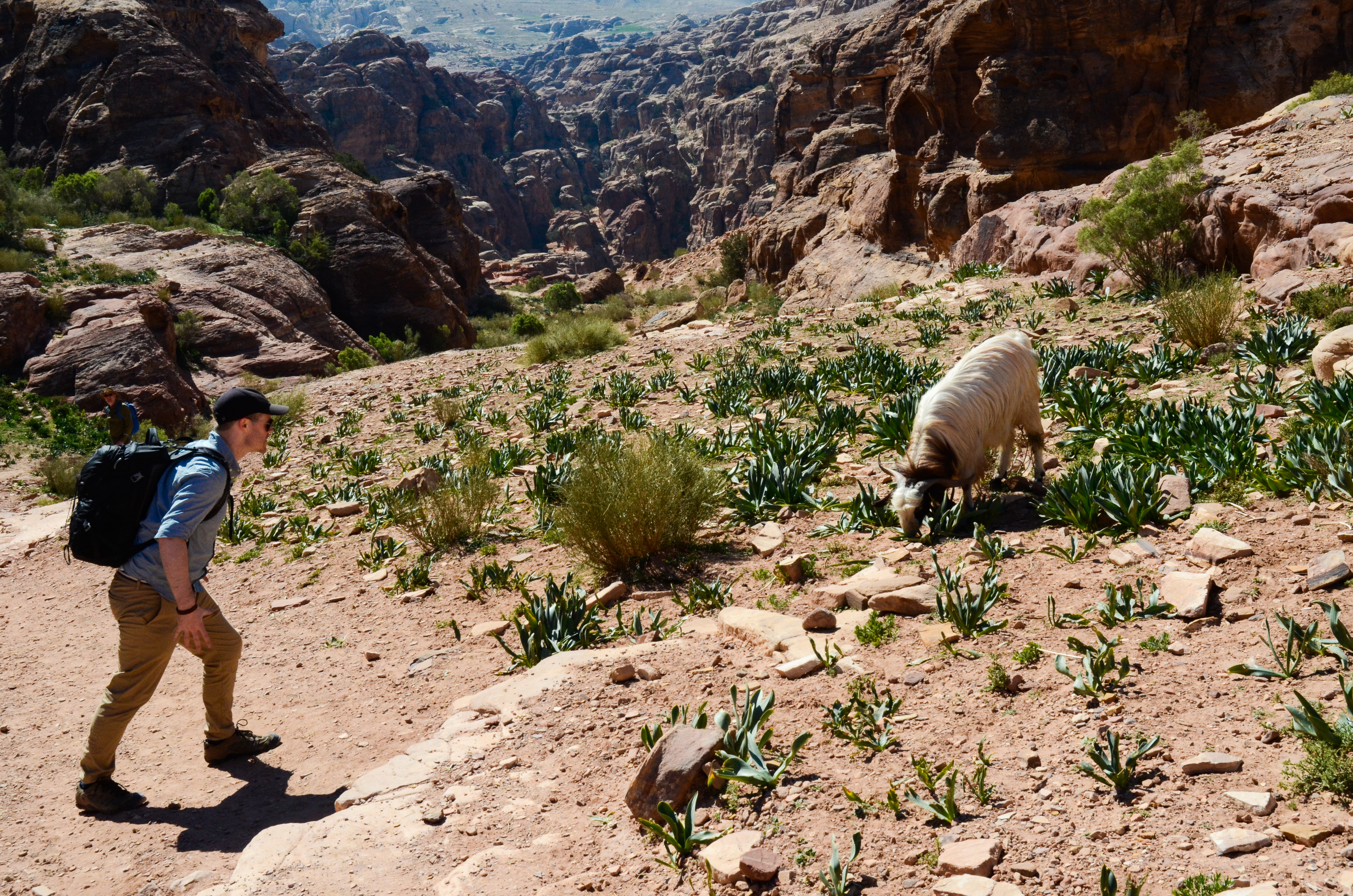
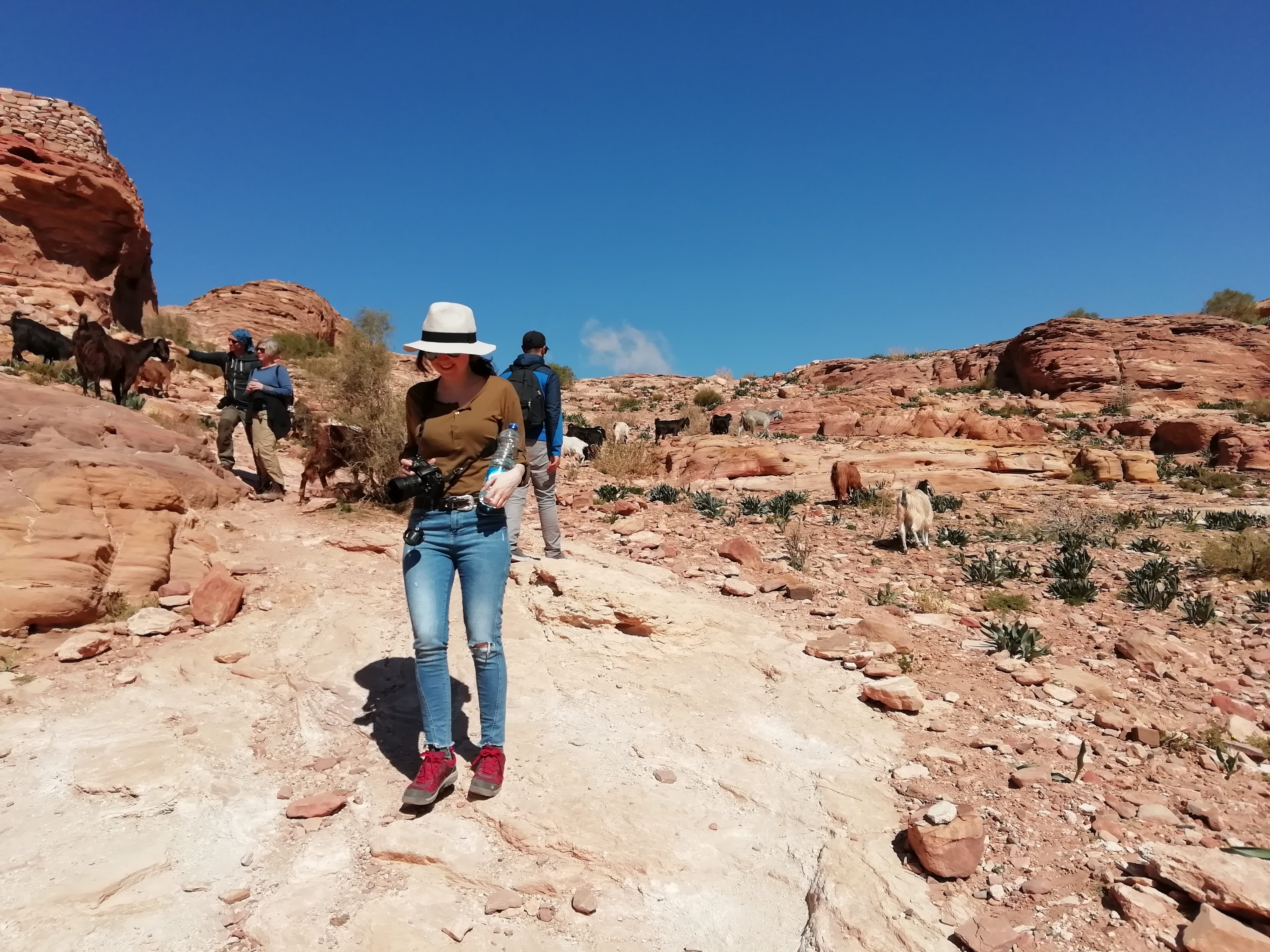
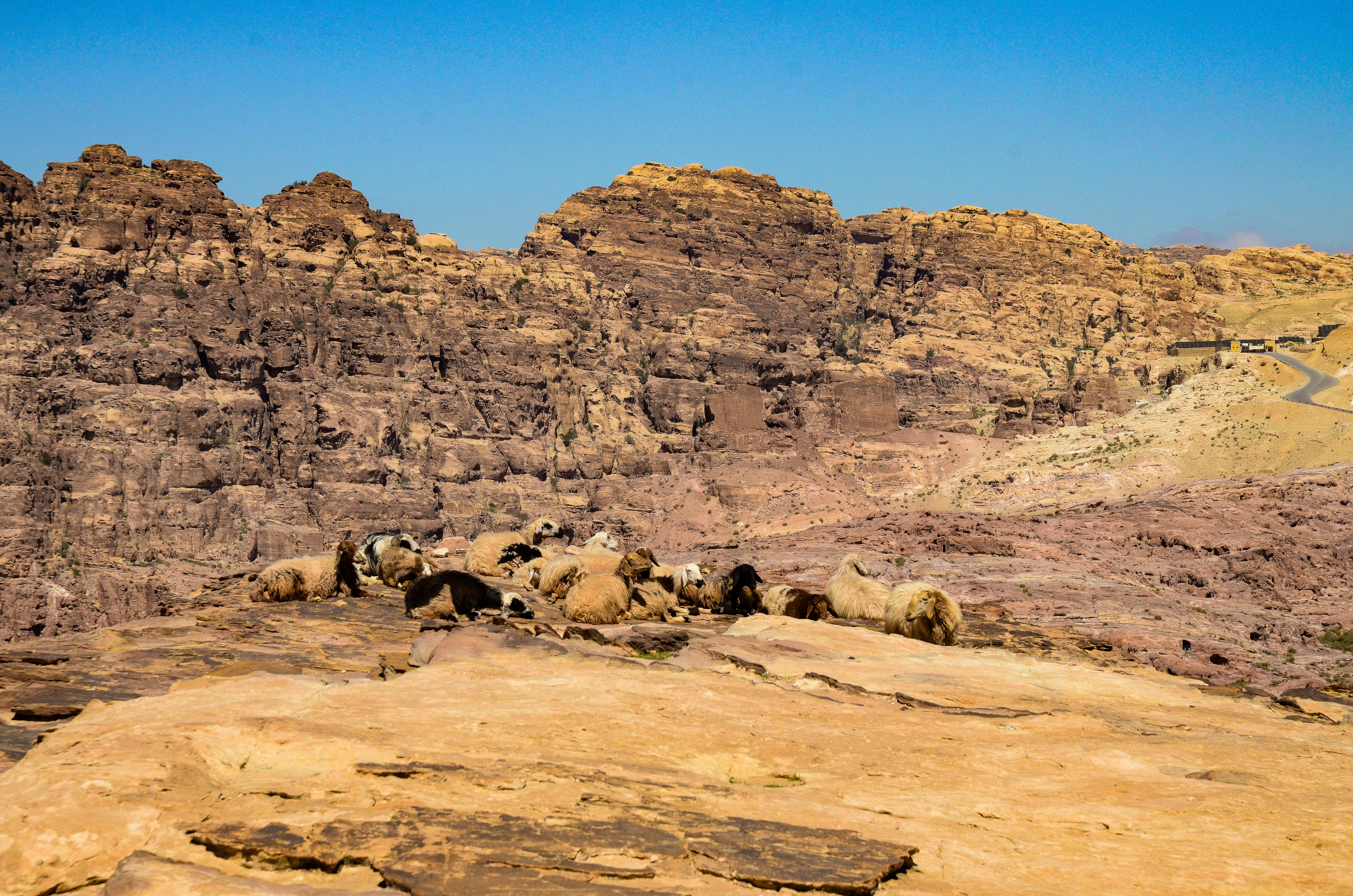
Along the way, we met a herd of goats. We followed them for a while — or they followed us — either way, we hung out for a bit and were impressed by their innate ability to climb the rocky canyons and blend in with the surrounding environment.
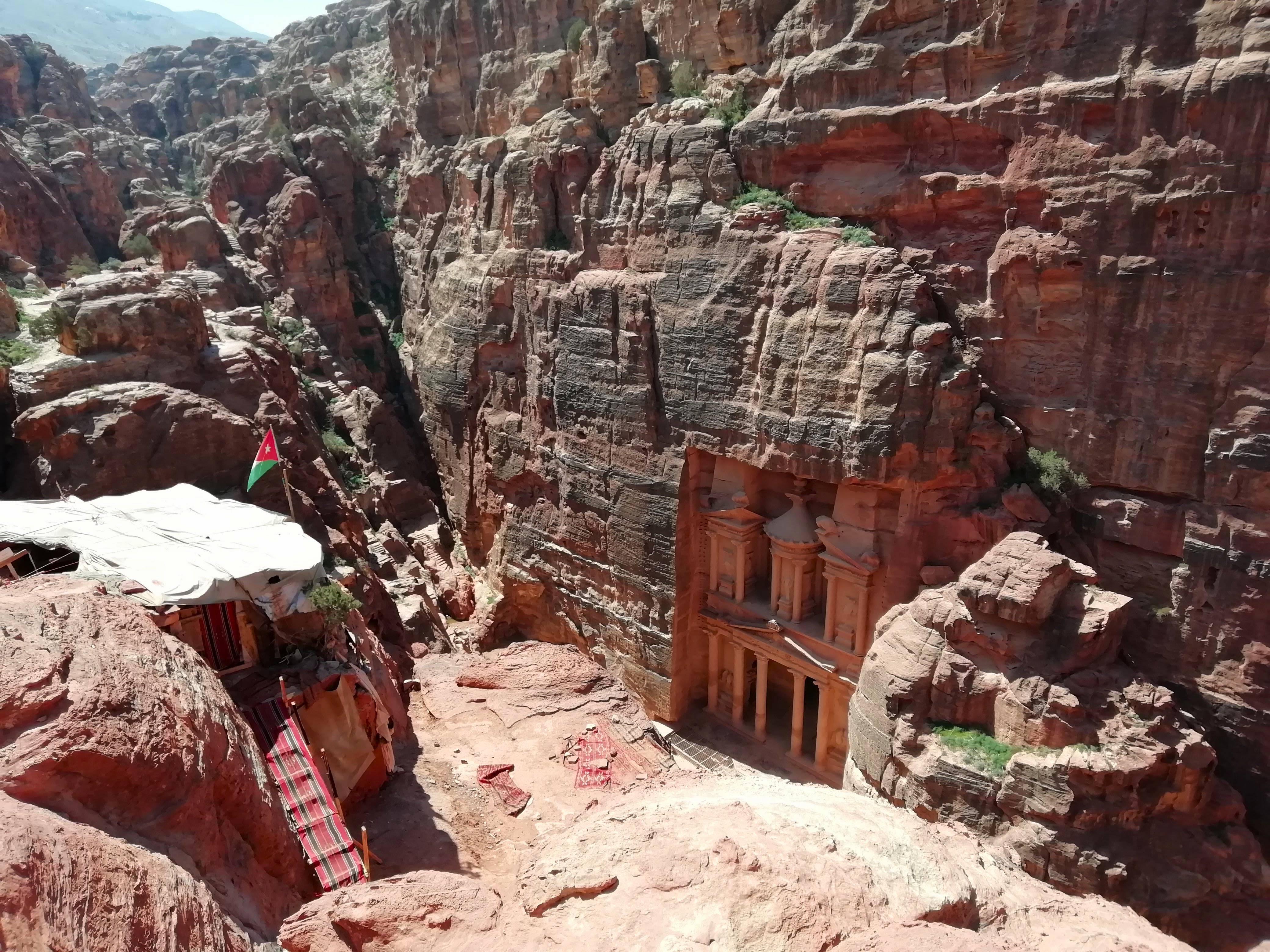
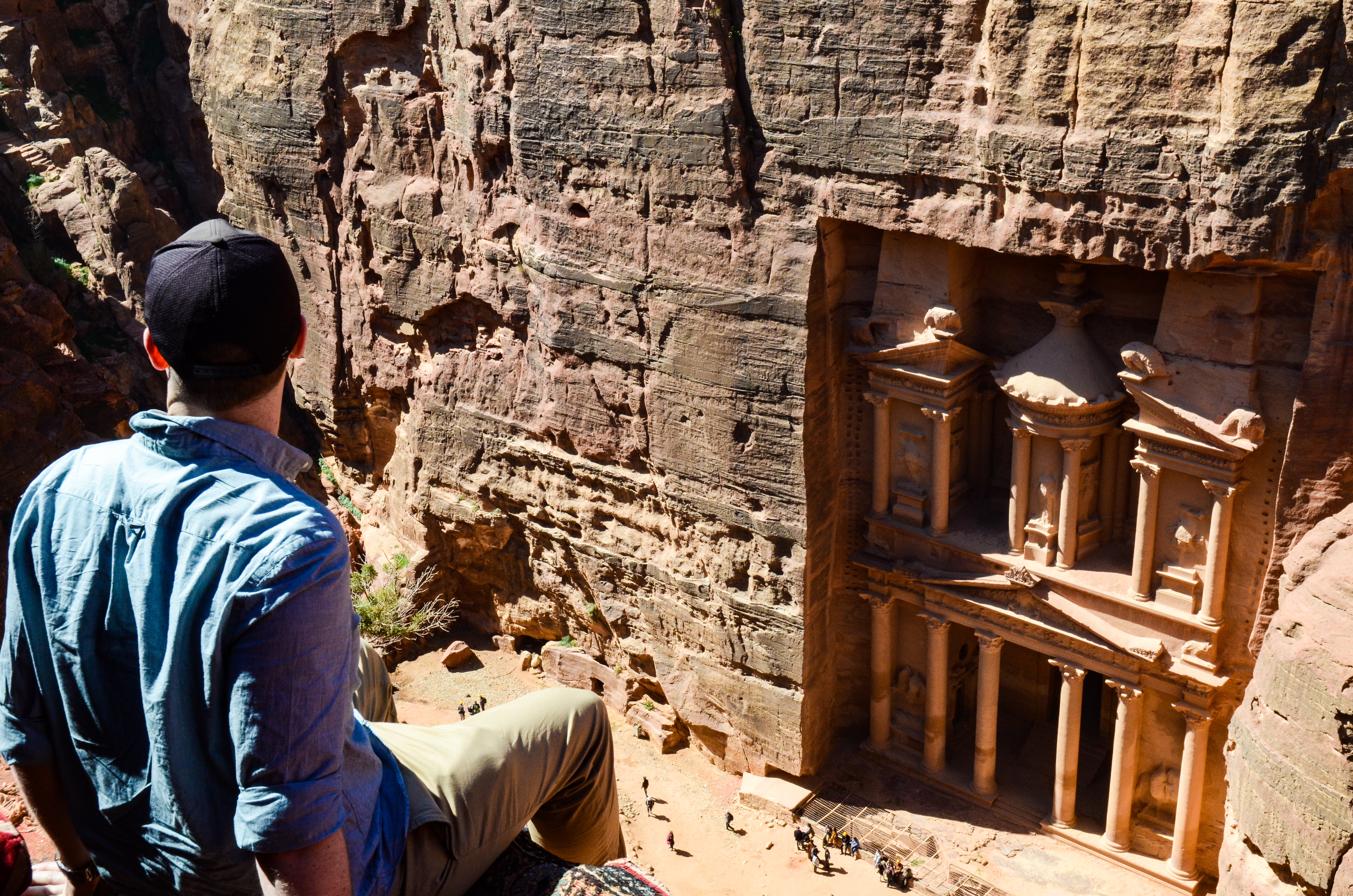
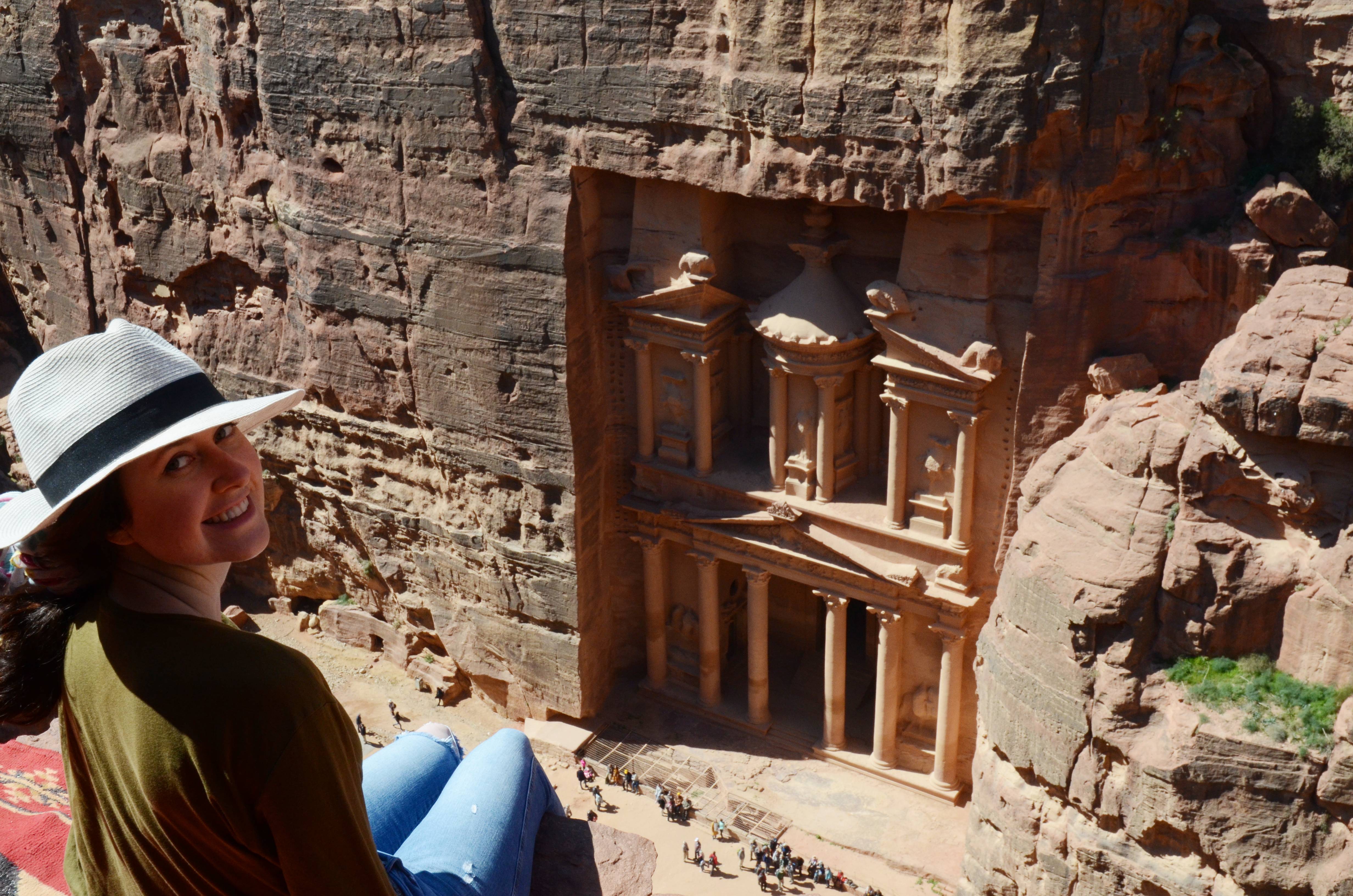
The Treasury from above
It wasn’t long before we came across a sign leading the way to a viewpoint of the Treasury. At first we couldn’t see it, until we approached a falling olive tree in a crevasse — just past it, we could see the top of the Treasury peeking out through the red rocks. From here, we walked a bit further until we found a small tent with the Jordanian flag. We bought a couple cans of coke in order to sit in the tent and enjoy the view for a bit.


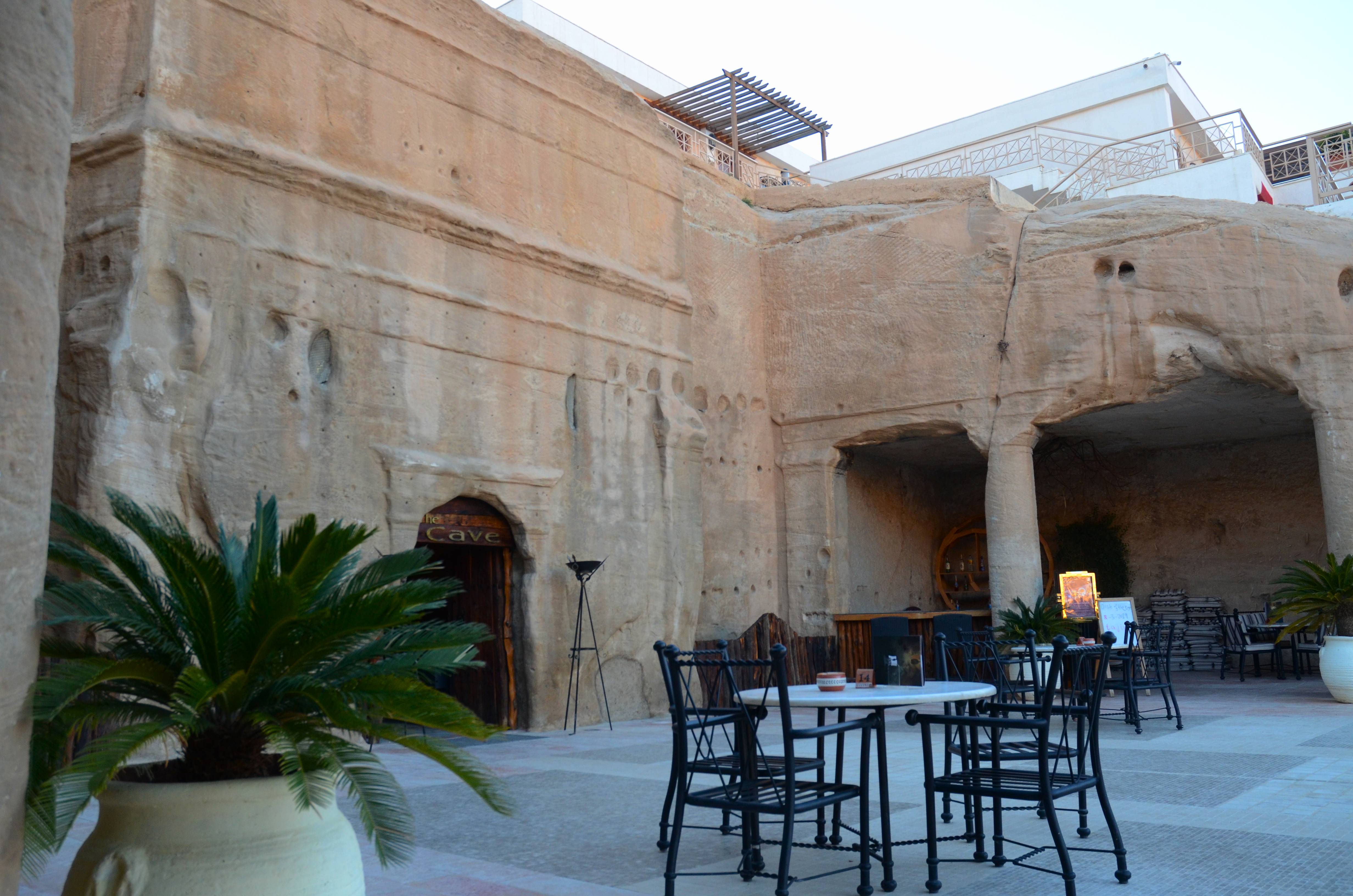
From the Treasury viewpoint, we made our way back down the way we came. At that point in the day, we were completely exhausted after exploring all the main sights of Petra. We decided to head out and relax at the famous Cave Bar just outside of Petra. The bar sits in a 2,000 year-old Nabatean tomb, and the interior looks just like that of the Treasury or Monastery. We sat outside enjoying the cool evening breeze while we sipped on ice cold Petra Beer — which was actually pretty good!

Memories of Petra on our last day
The next day, we took our time wandering through Petra, taking it all in and exploring the details we missed on our action-packed first day.
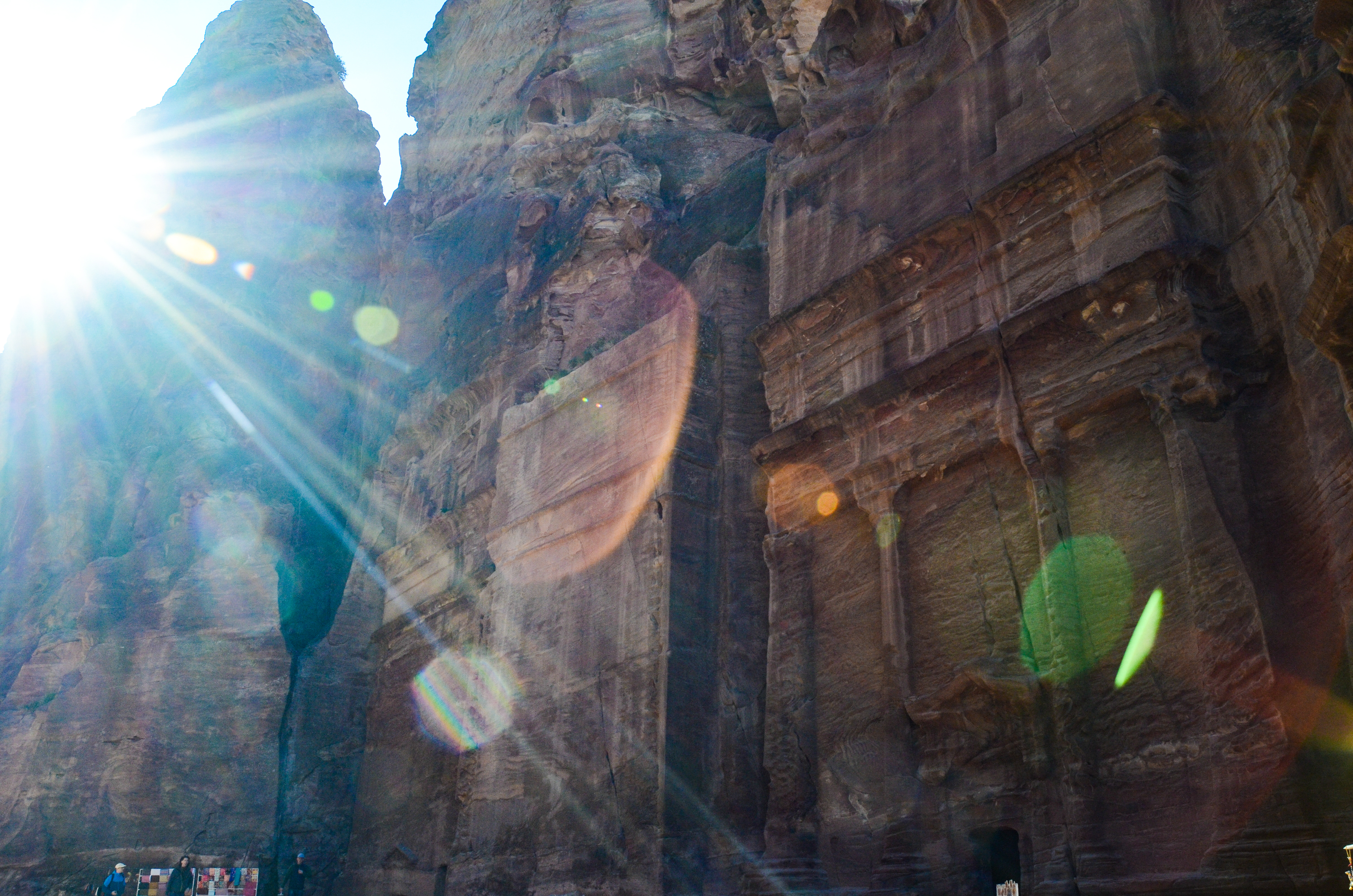
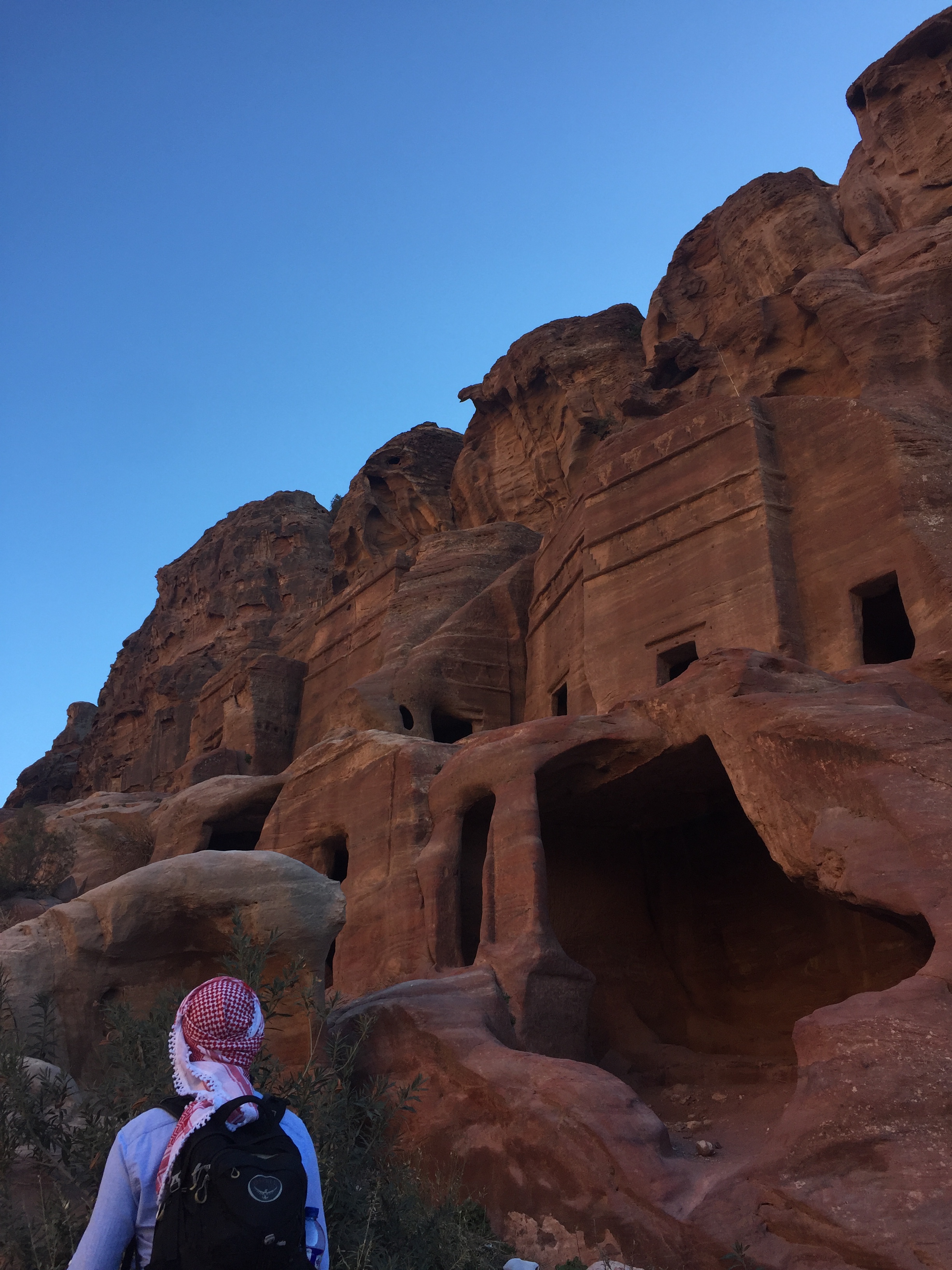
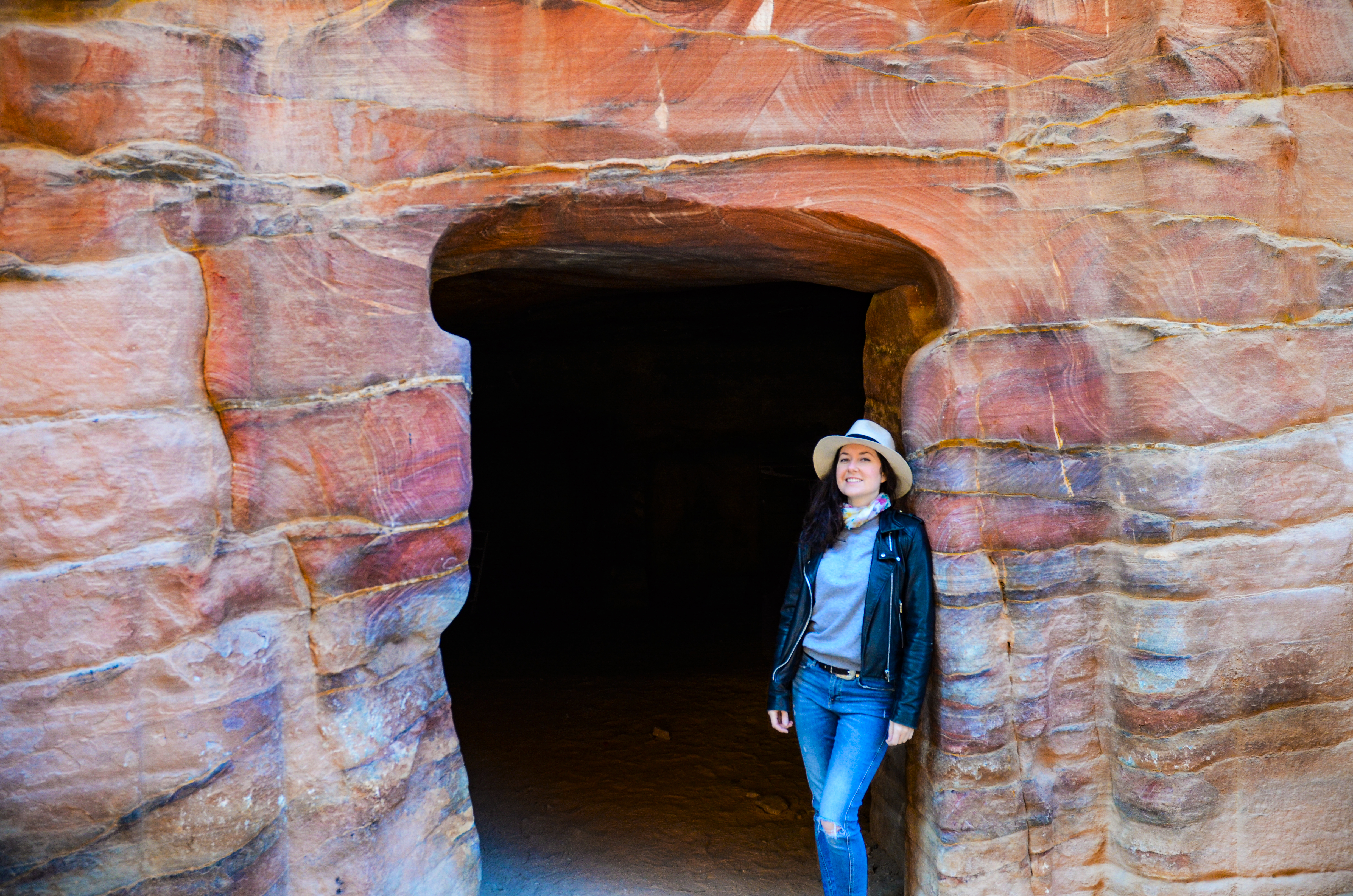
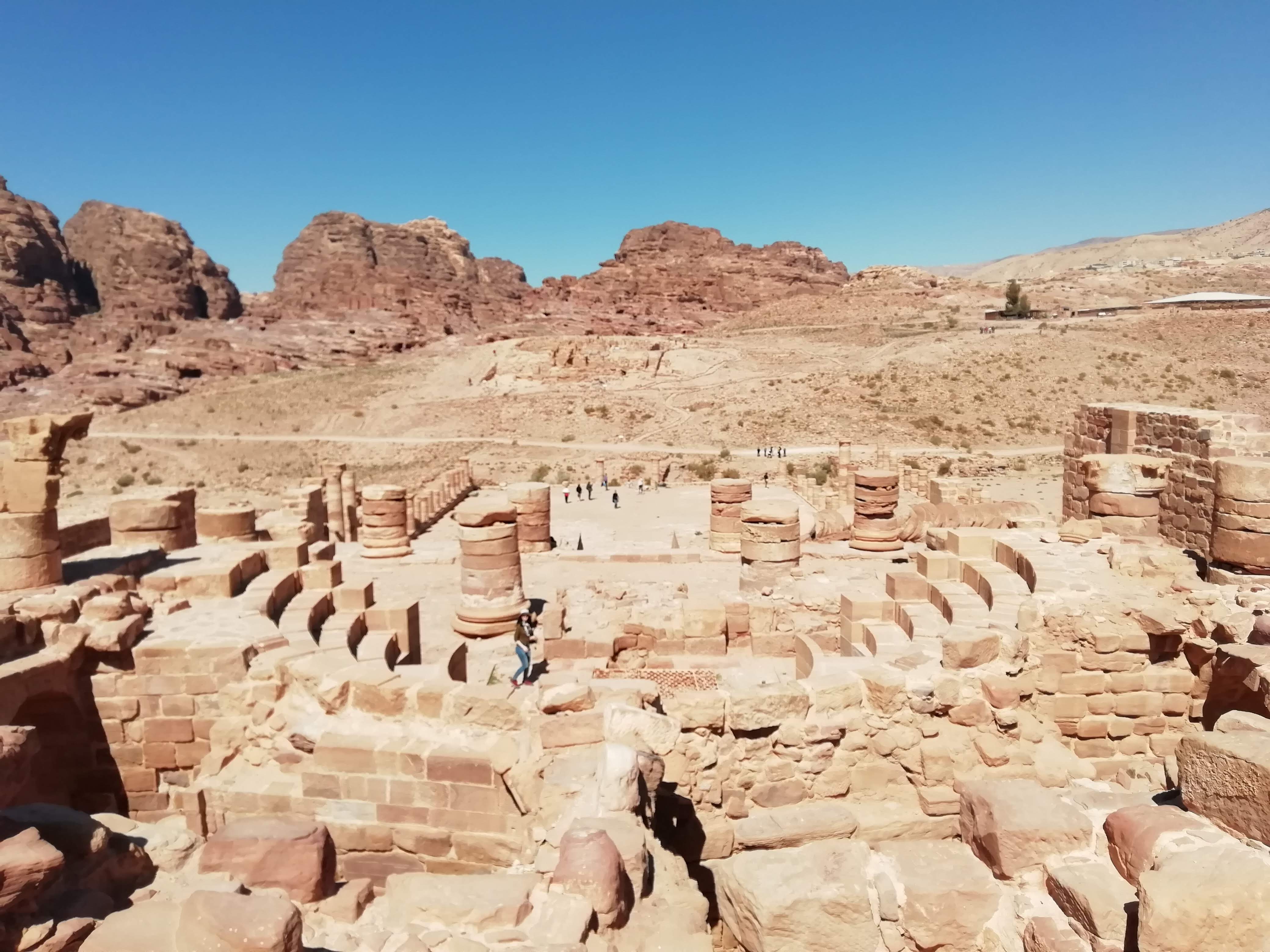
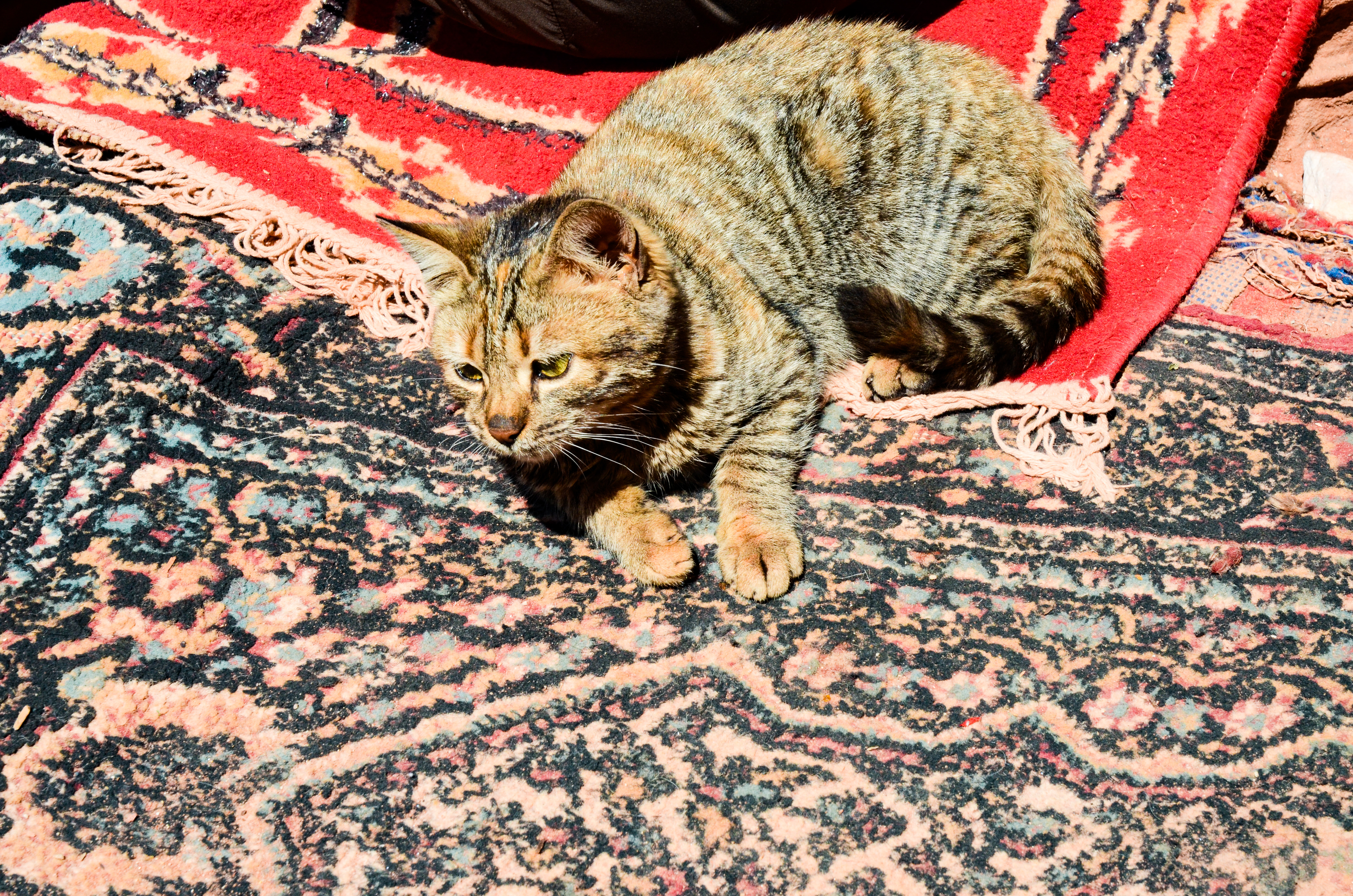
As we walked, we stopped at few of the shop stalls along the main path. In one, I spotted the same type of rug we have at home — a funny sight to see considering I had bought the same ‘traditional, handmade rug’ from an old Hungarian woman in Budapest! The stall seller claimed that these were handmade in Jordan as well…

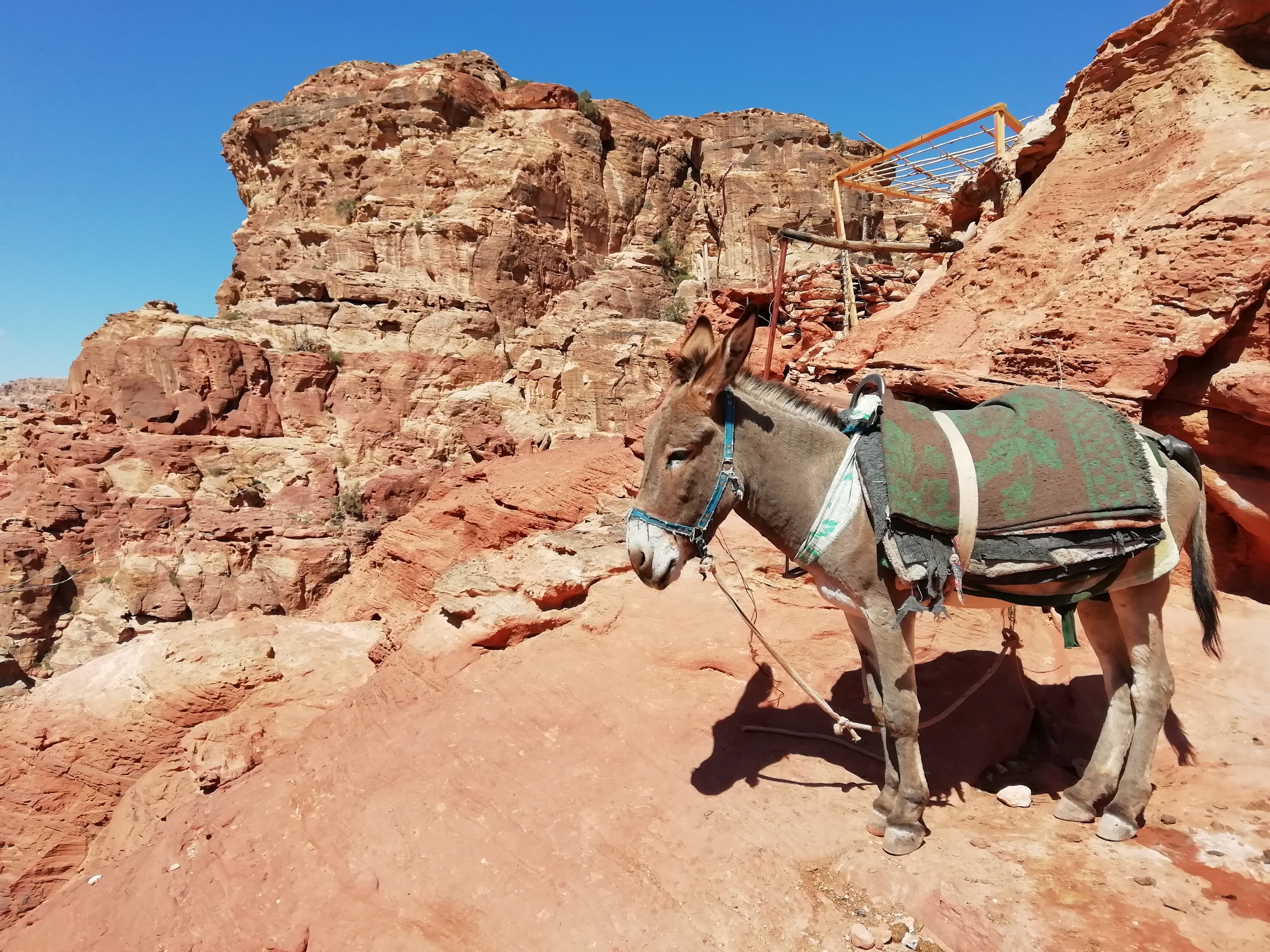
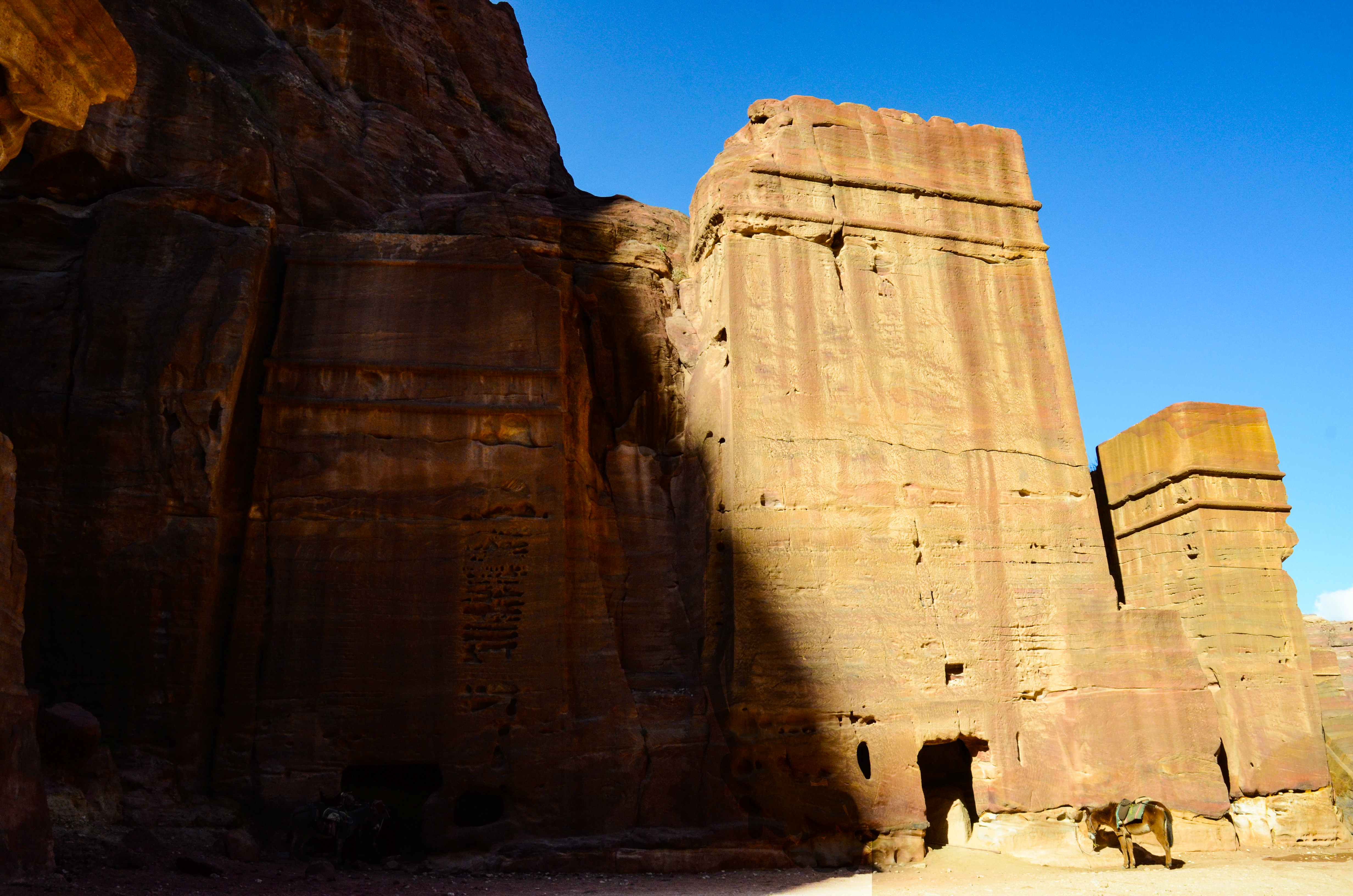
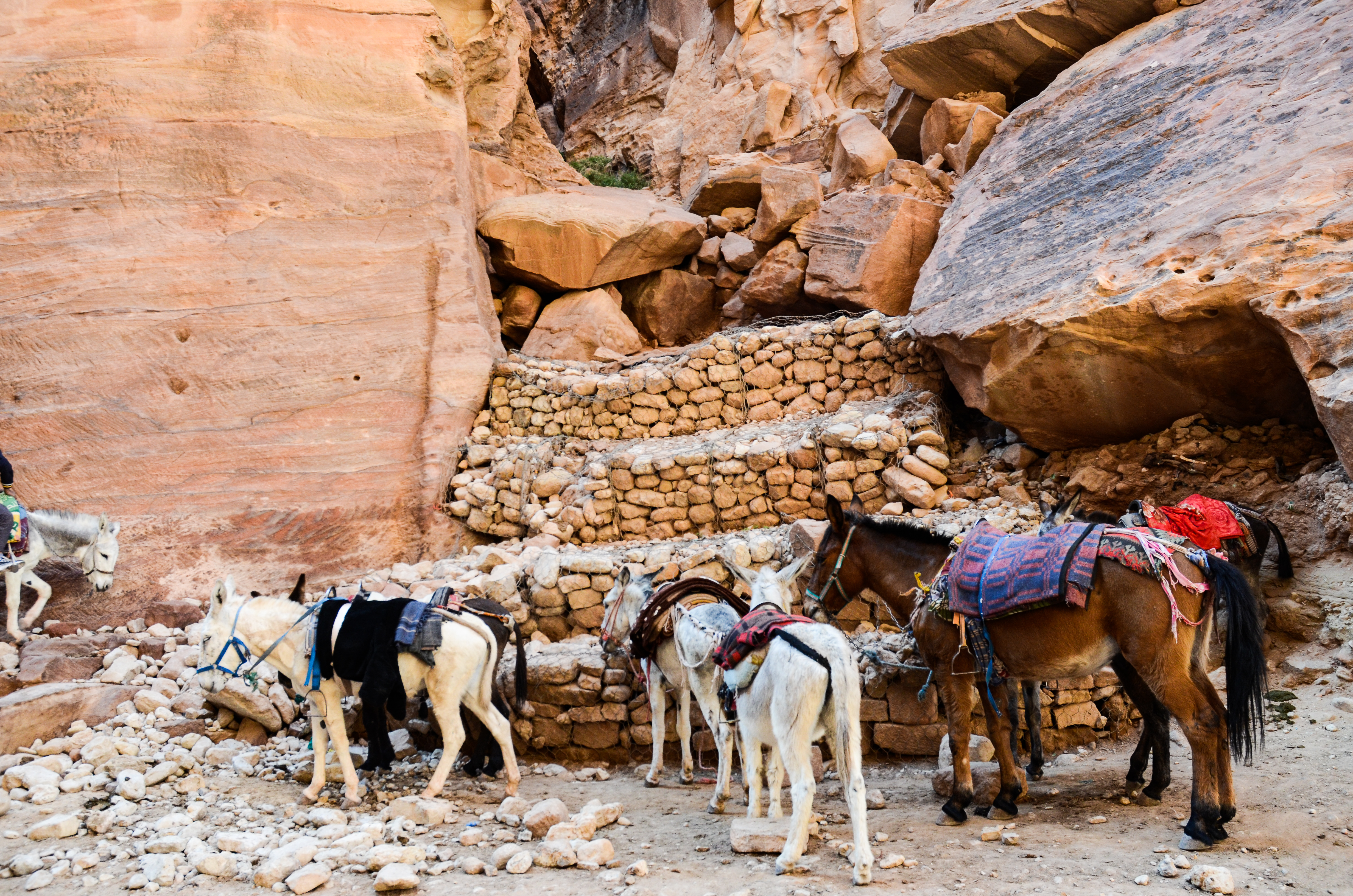
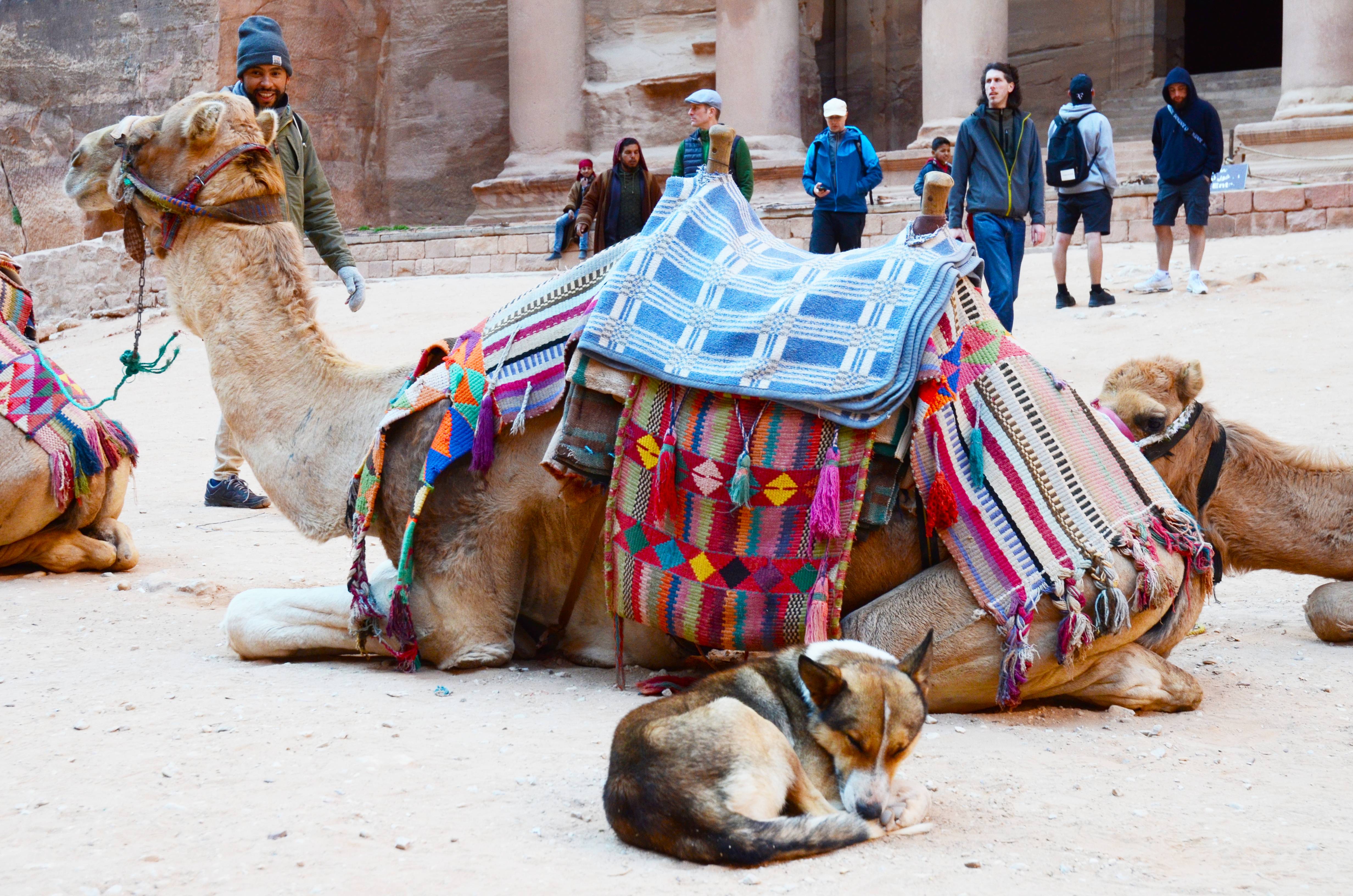
One of the most enduring memories of our trip is the treatment of animals in Petra. I’ll never forget seeing children kicking and whipping their donkeys, and overworked horses and camels bearing the painful load of fat, western tourists. There are plenty of things to see in Petra without having to walk far — anyone visiting Petra should try to see it without burdening an animal whose life is already hard.
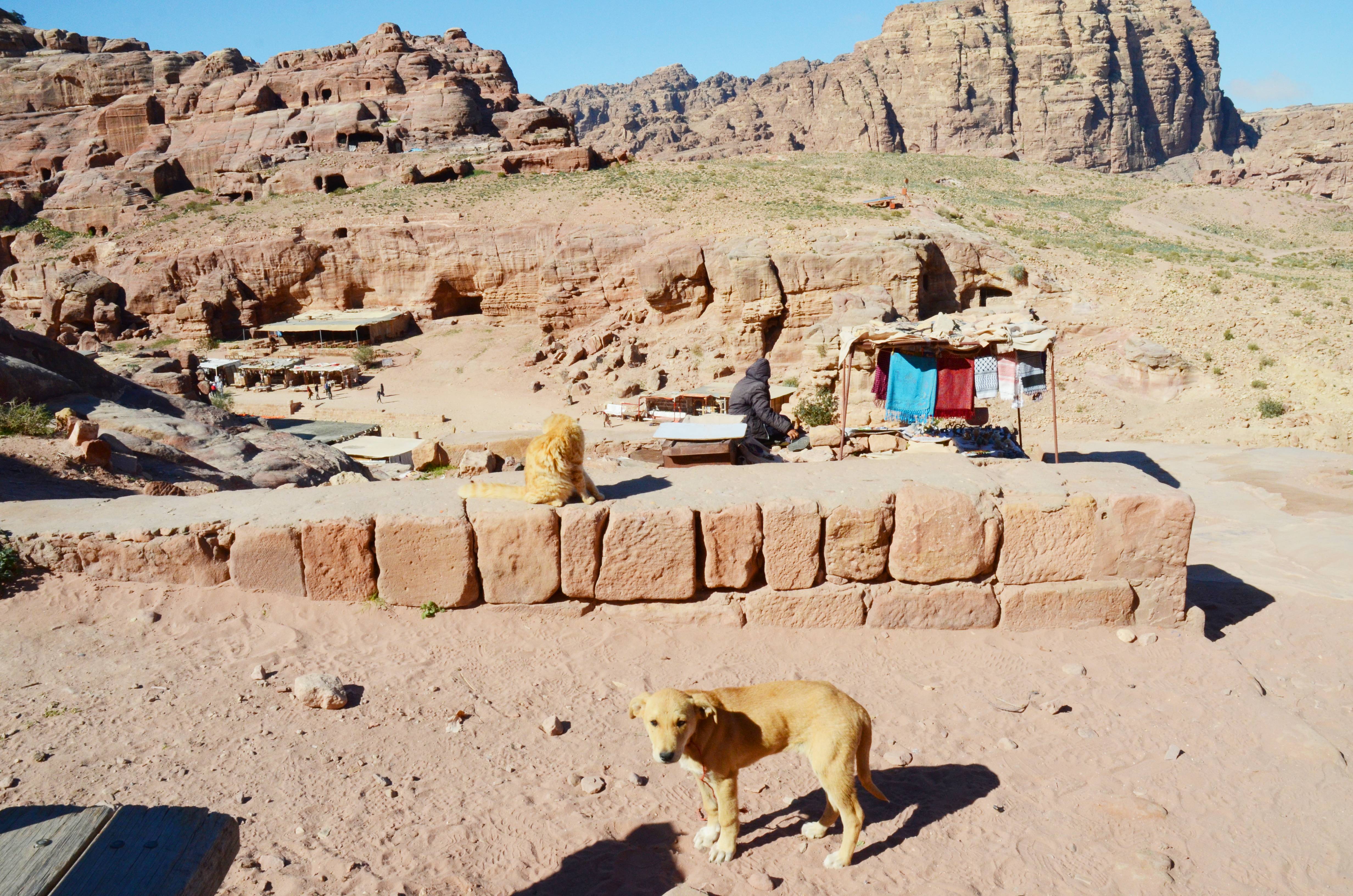
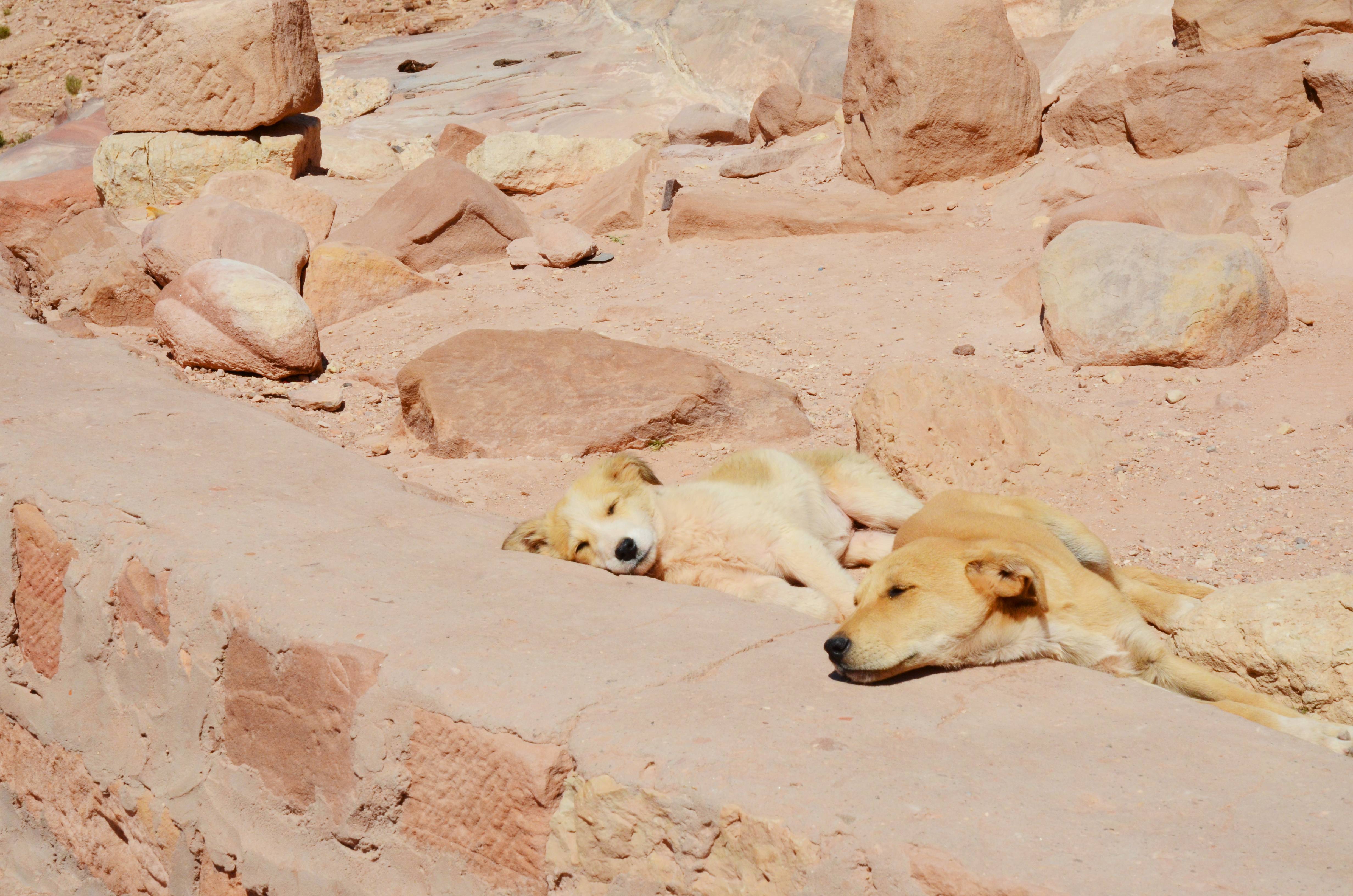
However, that’s not to say that all the animals were mistreated. We saw plenty of camels, dogs and cats who were clearly loved and well cared for. These animals make up a large part of the beautiful, picturesque scenery and overall wild atmosphere of Petra. Without them, it just wouldn’t be the same.
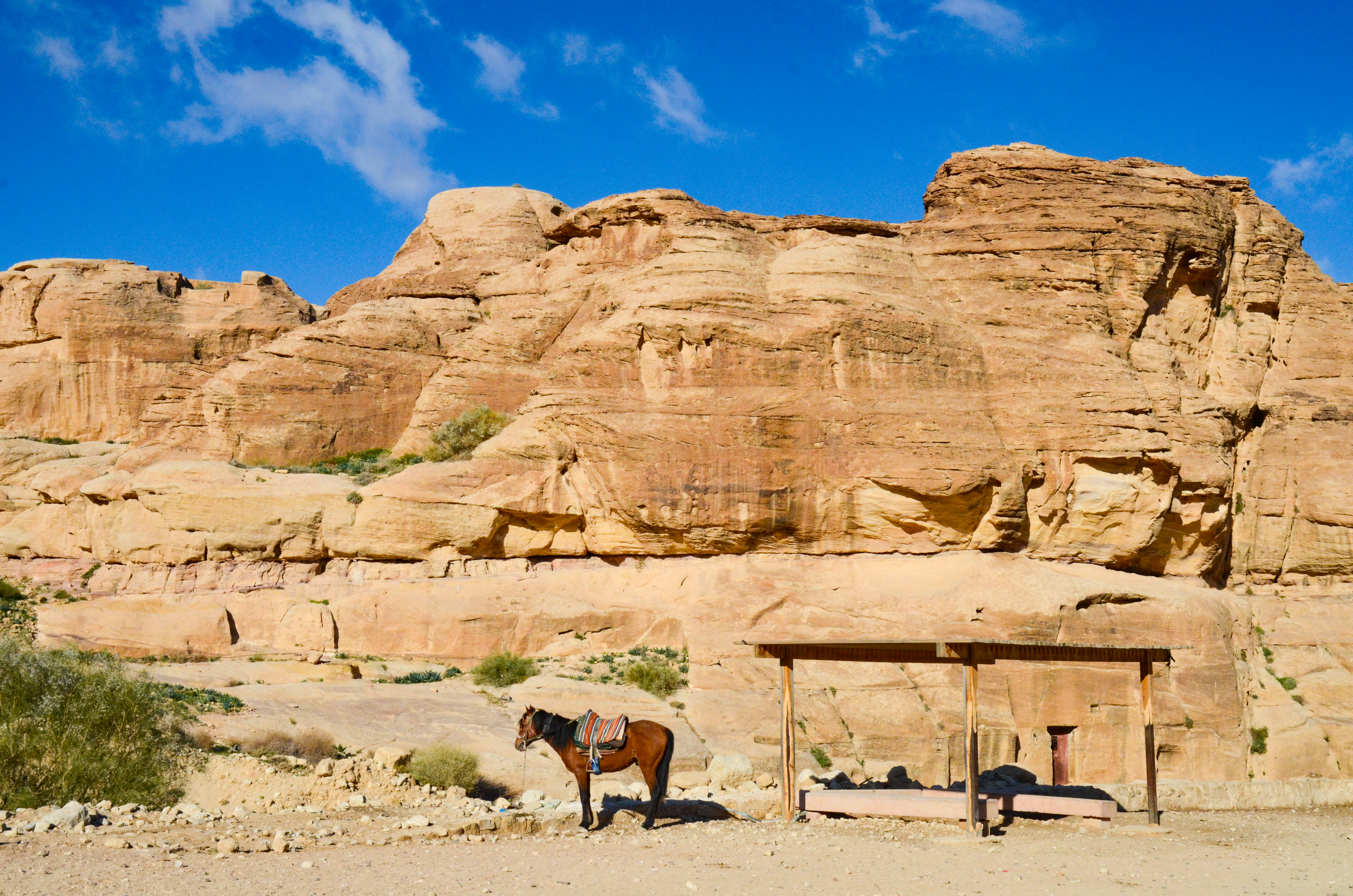
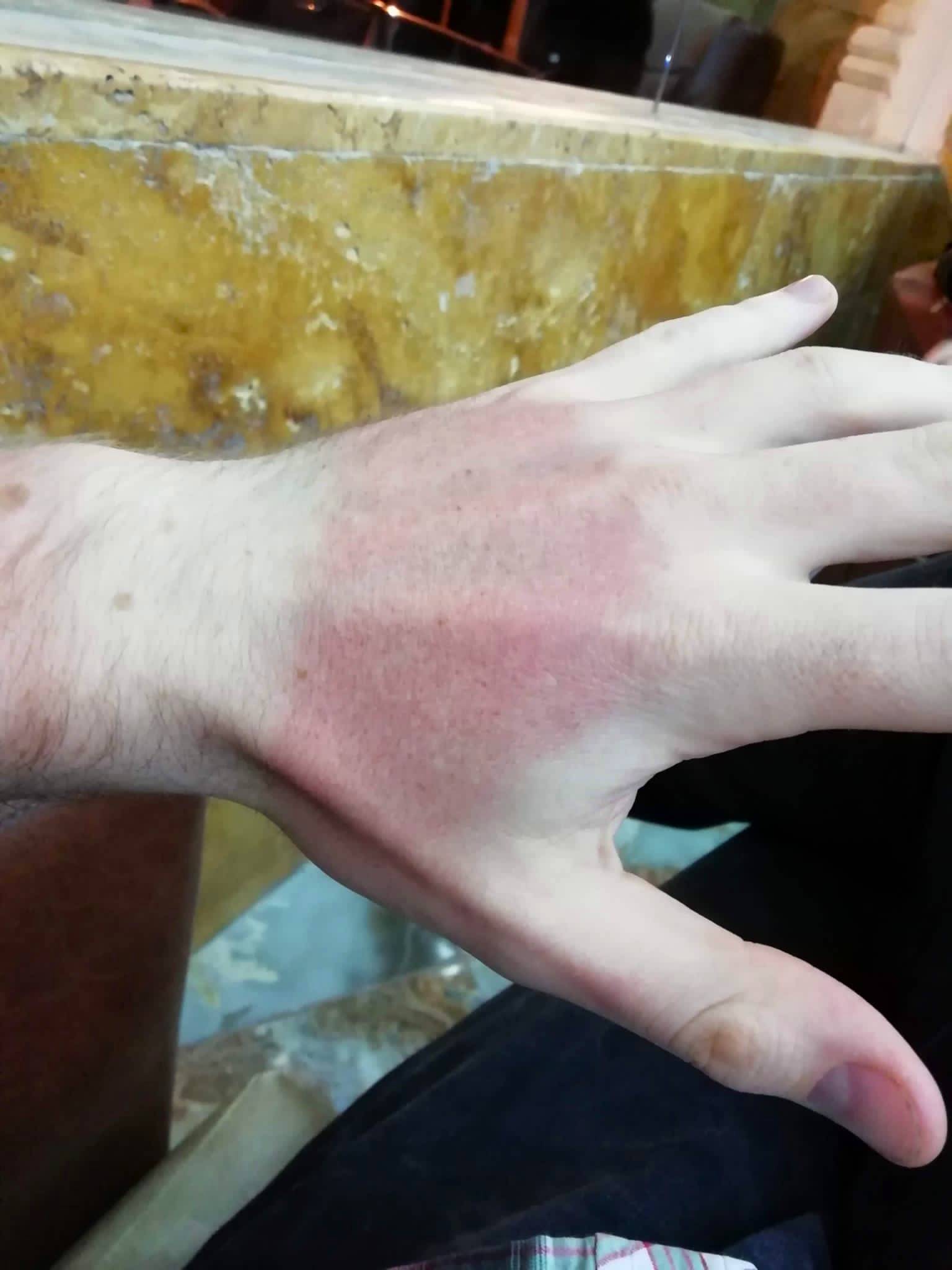
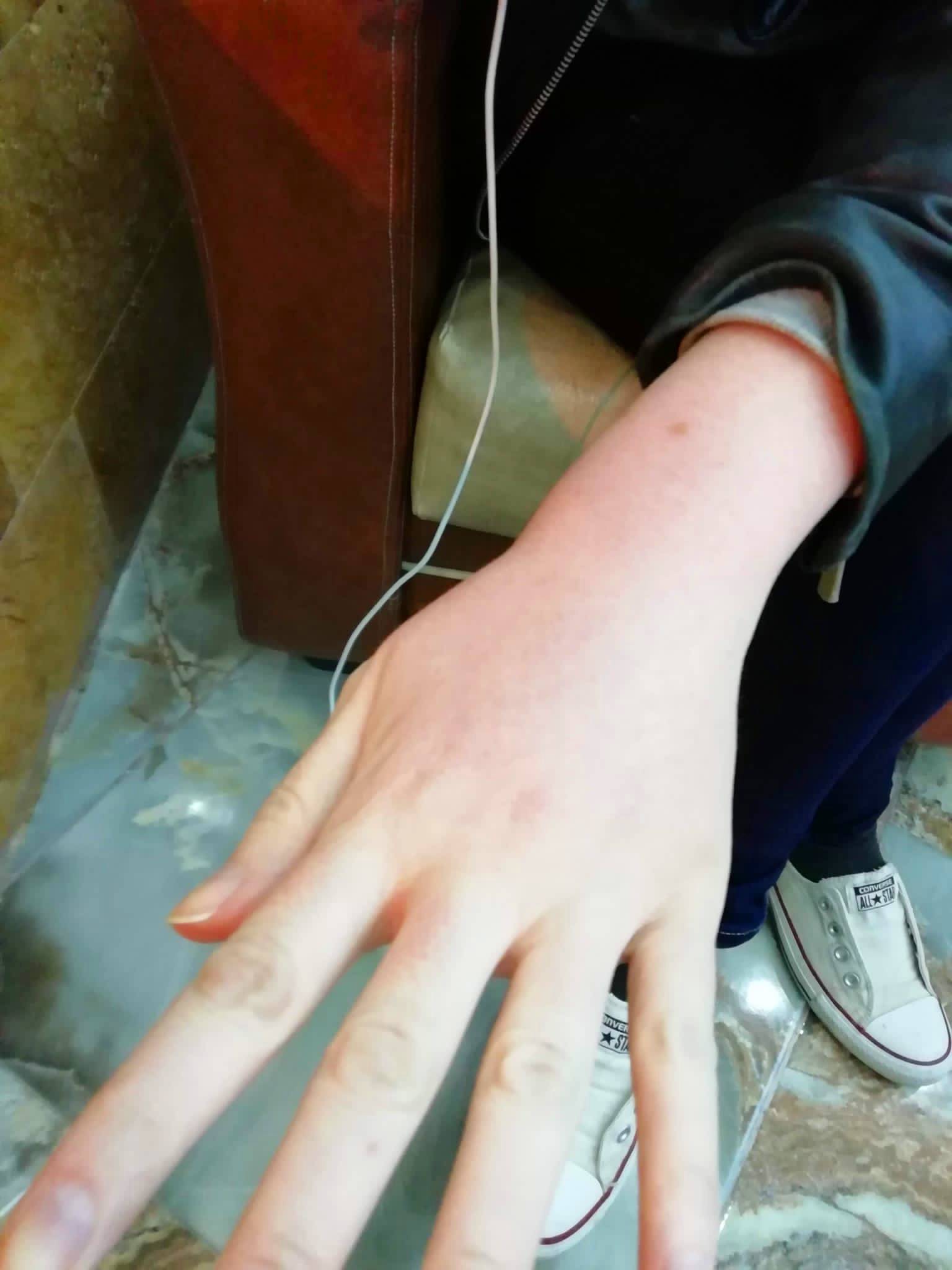
Another vivid memory is getting terribly sunburnt on our last day in Petra. There isn’t much shade at all in the treeless desert, but we didn’t mind as the March weather that day was cool and breezy, 12°C / 53° F. But the UV index was incredibly high, and we made the mistake of eating lunch right in the sunshine, essentially allowing ourselves to bake. When we got back to our hotel, we discovered that we were both extremely sunburnt — my left hand was so burnt it continued to swell up well into the night!
Little did I know that Patrick was panicking. He had planned on proposing to me later on in our trip and was now worried that the ring wouldn’t fit on my balloon hand! Thankfully, the swelling went down a couple days later.
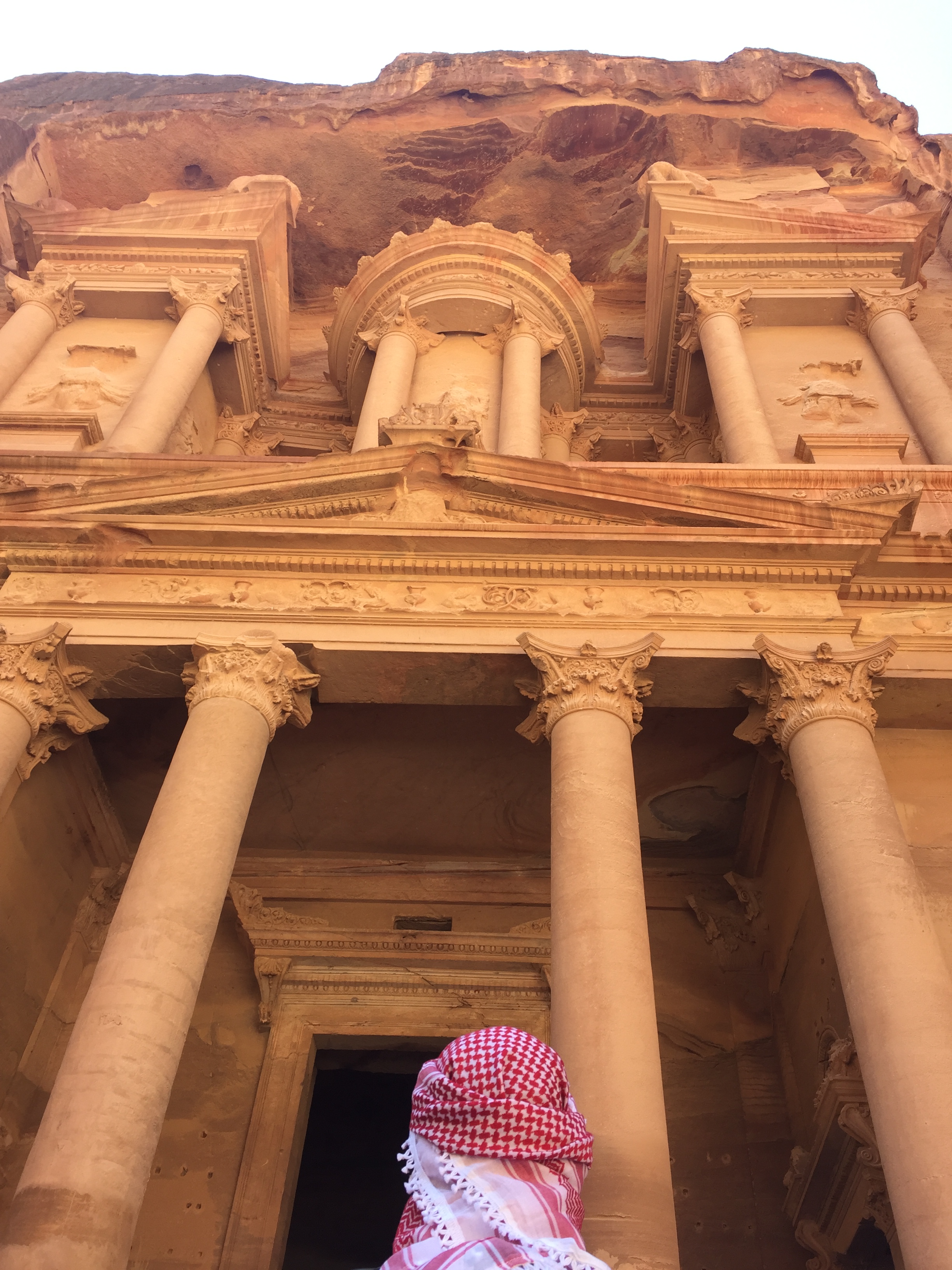
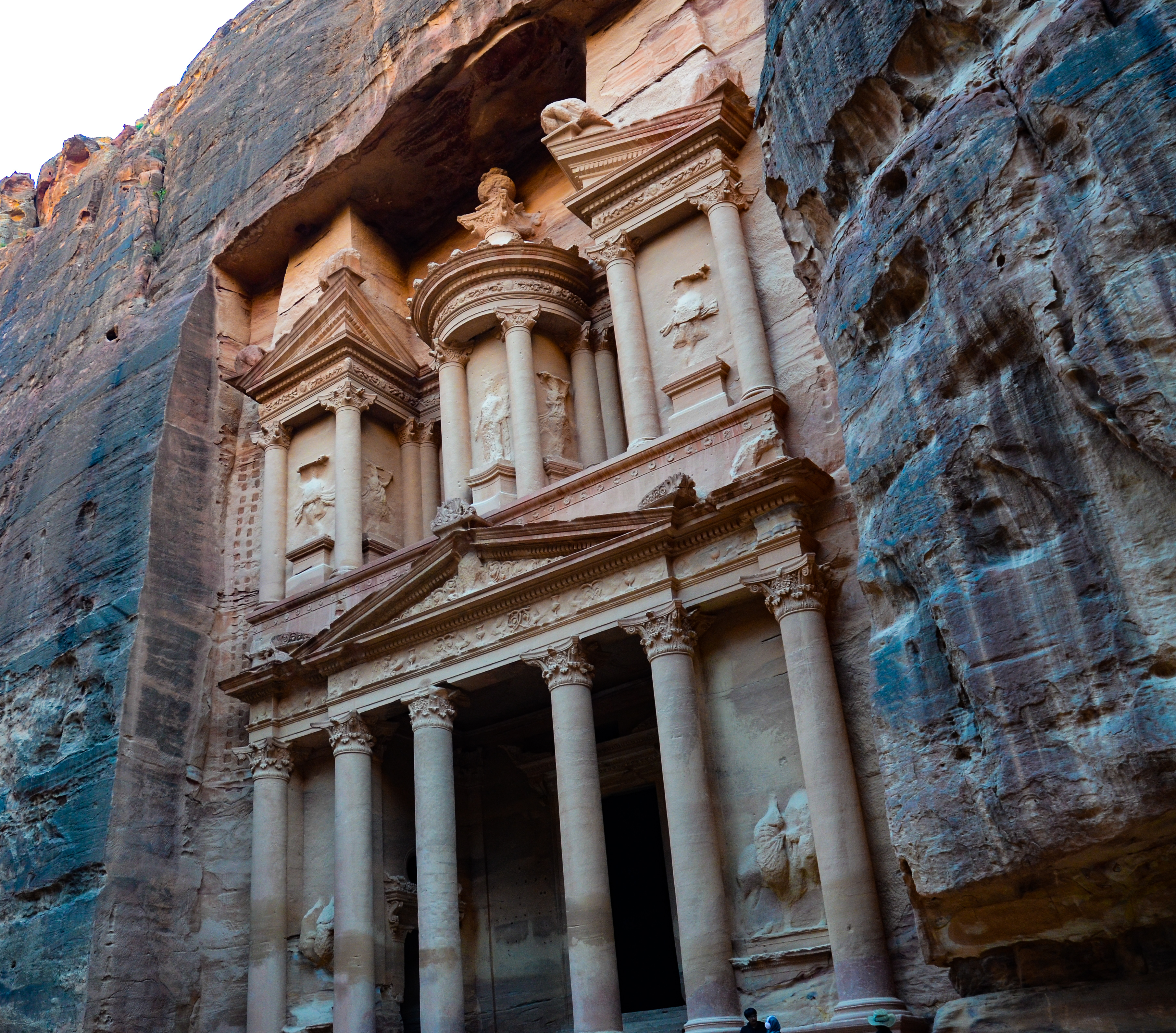
And so, after two brilliant days, our time in Petra came to an end. To this day, I still can’t seem to grasp just how ancient the city really is — or the incredible skill and ingenuity it must have taken to carve it out from the rock. It’s impossible to imagine what daily life must have been like, or what travellers back then must have thought when they first saw the Treasury. All I know is that I’ll never forget looking up, staring awe-struck at statues, carvings and pillars unlike anything else on Earth. Despite all of our travels since then, exploring Petra remains one of my favourite experiences.
 thewanderingfellows
One response to “On the Al-Khubtha trail”
[…] filled with a fire to see all that Petra had to offer, we prepared for our next big hike — to the Al-Khubtha […]
LikeLike