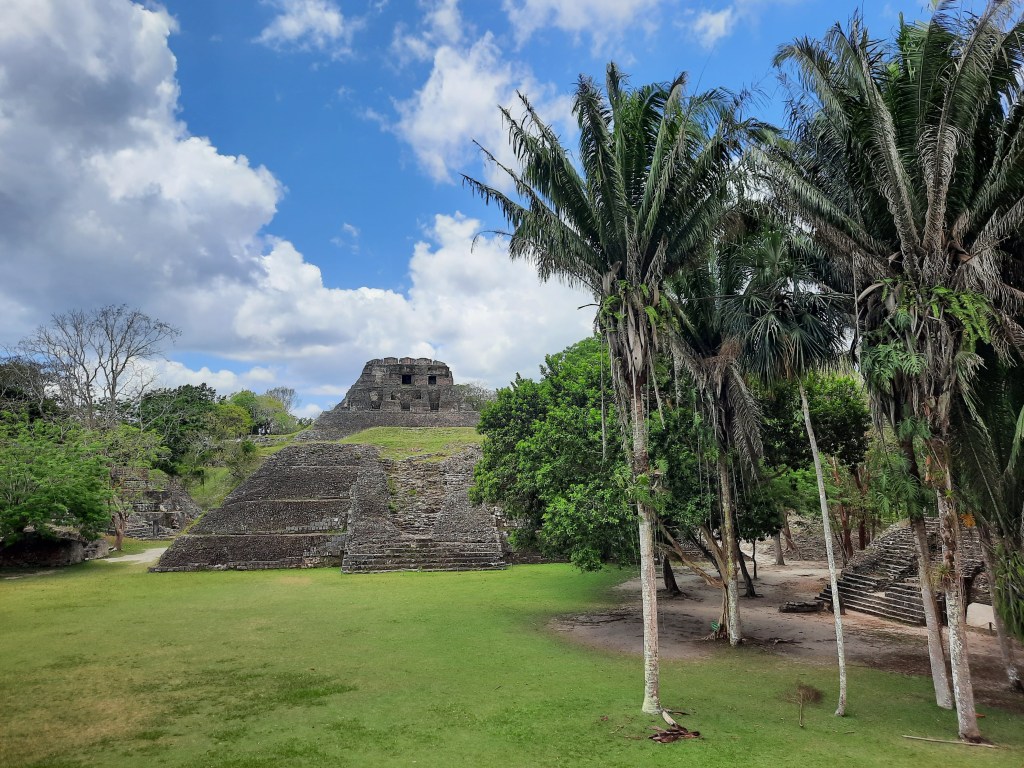
This is the account of when all is still, silent and placid. All is silent and calm. Hushed and empty is the womb of the sky. These then are the first words, the first speech. There is not yet one person, one animal, bird, fish, crab, tree, rock, hollow, canyon, meadow or forest….All lies placid and silent in the darkness, in the night. All alone are the Framer and the Shaper, Sovereign and Quetzal Serpent, They Who Have Borne Children and They Who Have Begotten Sons…
…Then they called forth the mountains from the water.
Maya Creation Story in the Popol Vuh, 1524
Exploring the Maya ruins of Belize
After three incredible days at Black Rock Lodge, we set off bright and early on the morning of May 3rd, giving us plenty to time to check in at our next destination a few miles upriver — Table Rock Jungle Lodge. With Xunantunich (shoo-nahn-too-neech) being on the way, we knew we had to stop and check it out.
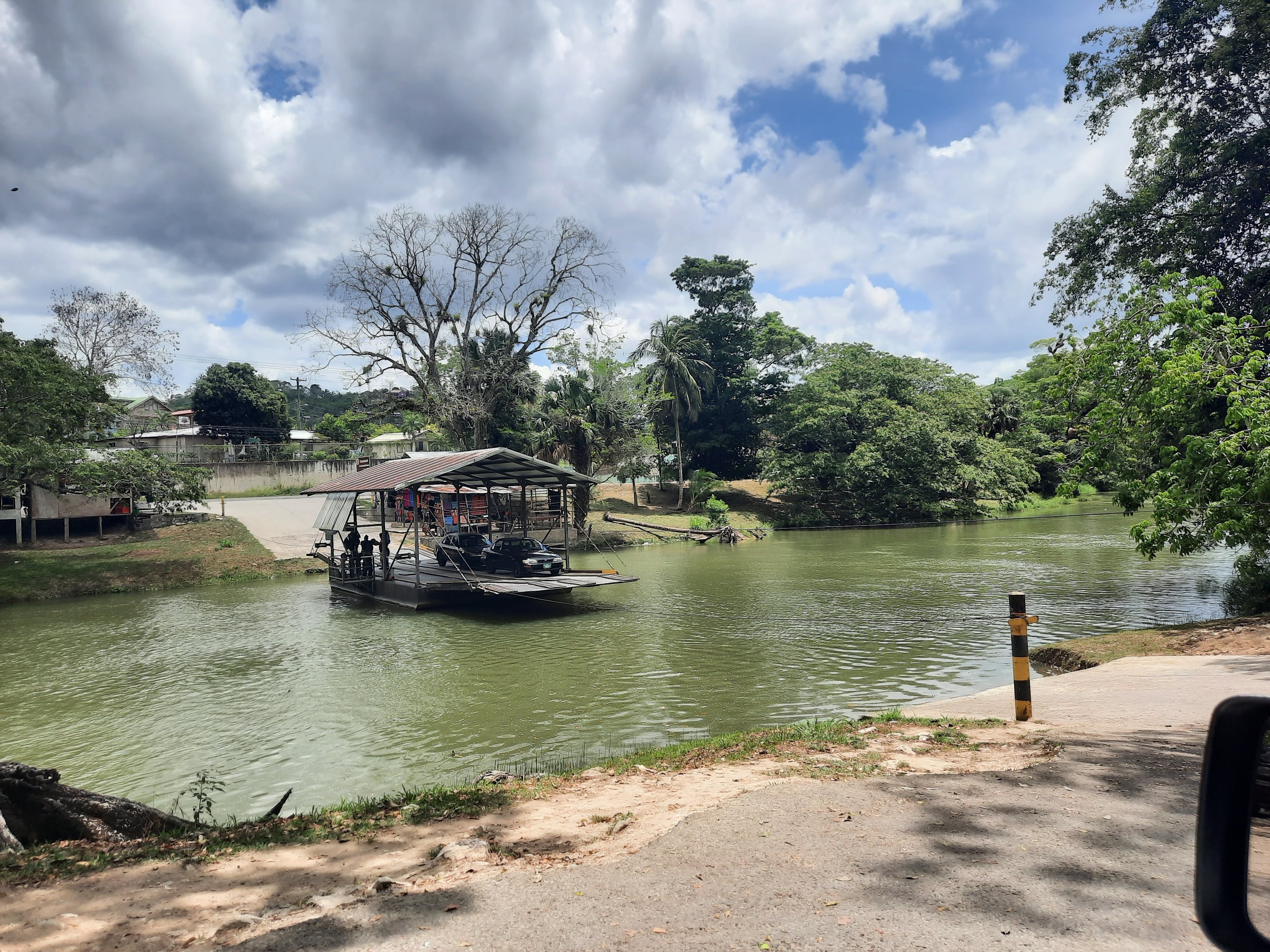
We pulled over just after the ‘Xunantunich River Crossing’ sign and a friendly guide met us at the side of the busy road. He told us that to get to the site, we’d have to cross the roaring Mopan River by ferry — and not just any ferry. This amazing little crank-cable ferry has been operating since the 1950s. We could see it on the other side of the river and though it looked pretty old, it was really cool to see it slowly make its way over the water.
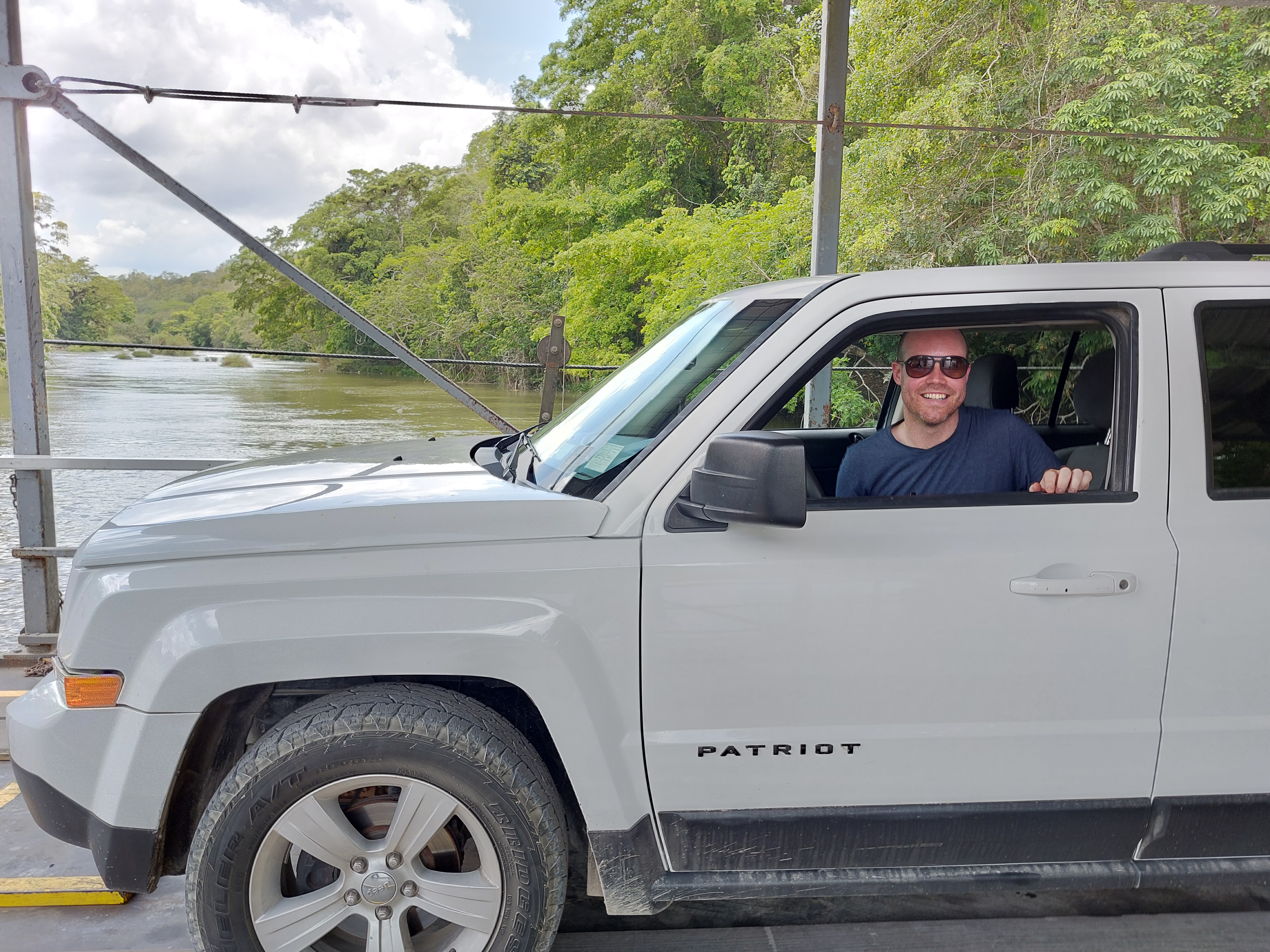
With much care and courage, Patrick drove onto it and I as the passenger had to stand outside of the car for safety (yet Patrick had to stay at the wheel). They even let me test my strength at the hand-crank! Patrick was loving every minute of it.
The way to the top of El Castillo
From there, we drove up the hill to the visitor centre. We were lucky to be one of the few people there and all was truly still, silent and placid as we walked into Xunantunich.
We learned that unlike other cities in the Maya Southern Lowlands, Xunantunich somehow survived the slow, torturous collapse of the civilisation in the 850s — possibly due to being connected to the wealthy city of Naranjo, in modern-day Guatemala. Yet, whatever kept them going through drought and famine wasn’t enough, and by 1000 AD, Xunantunich was abandoned. What happened to its people is still up for debate.
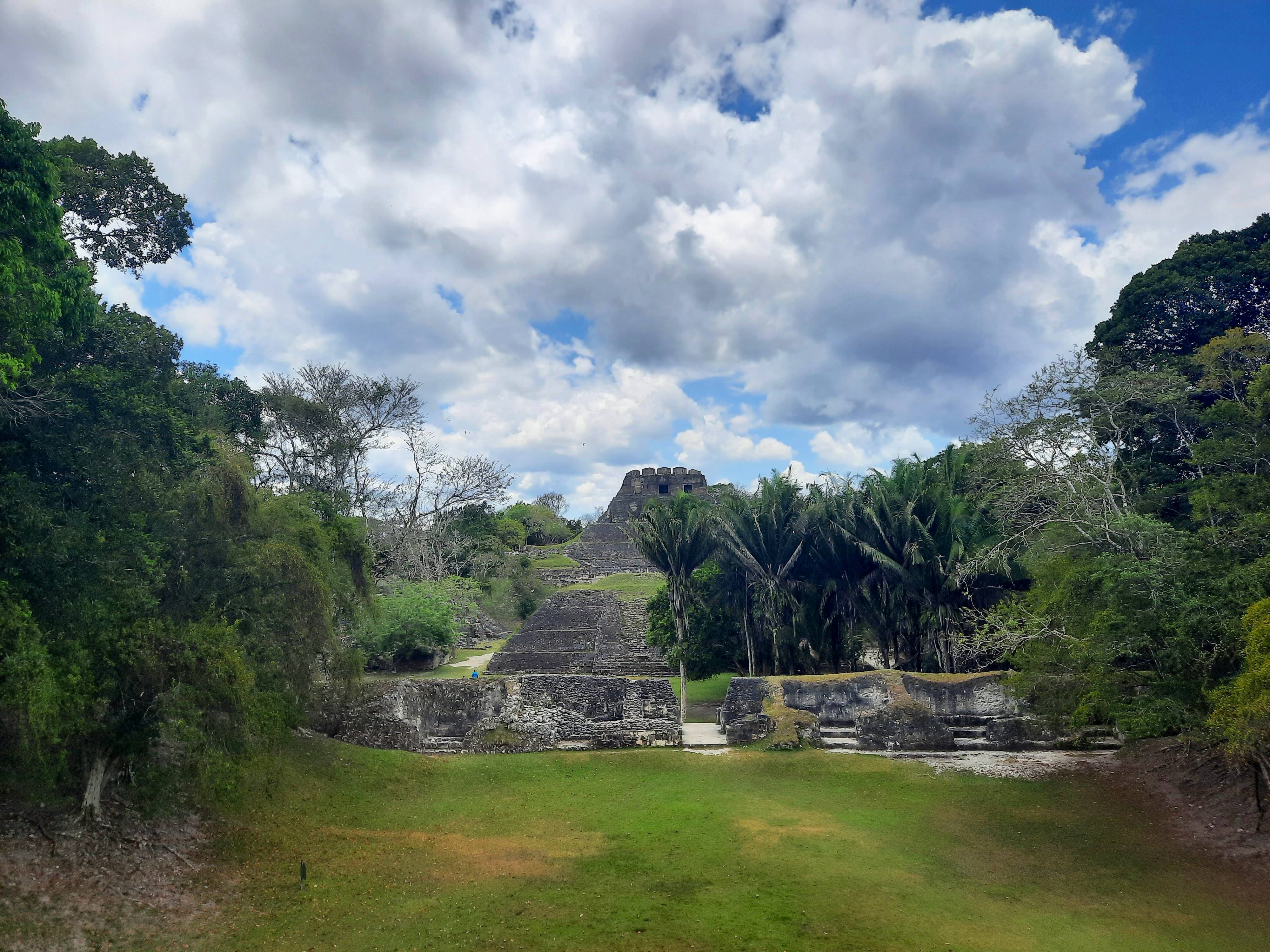
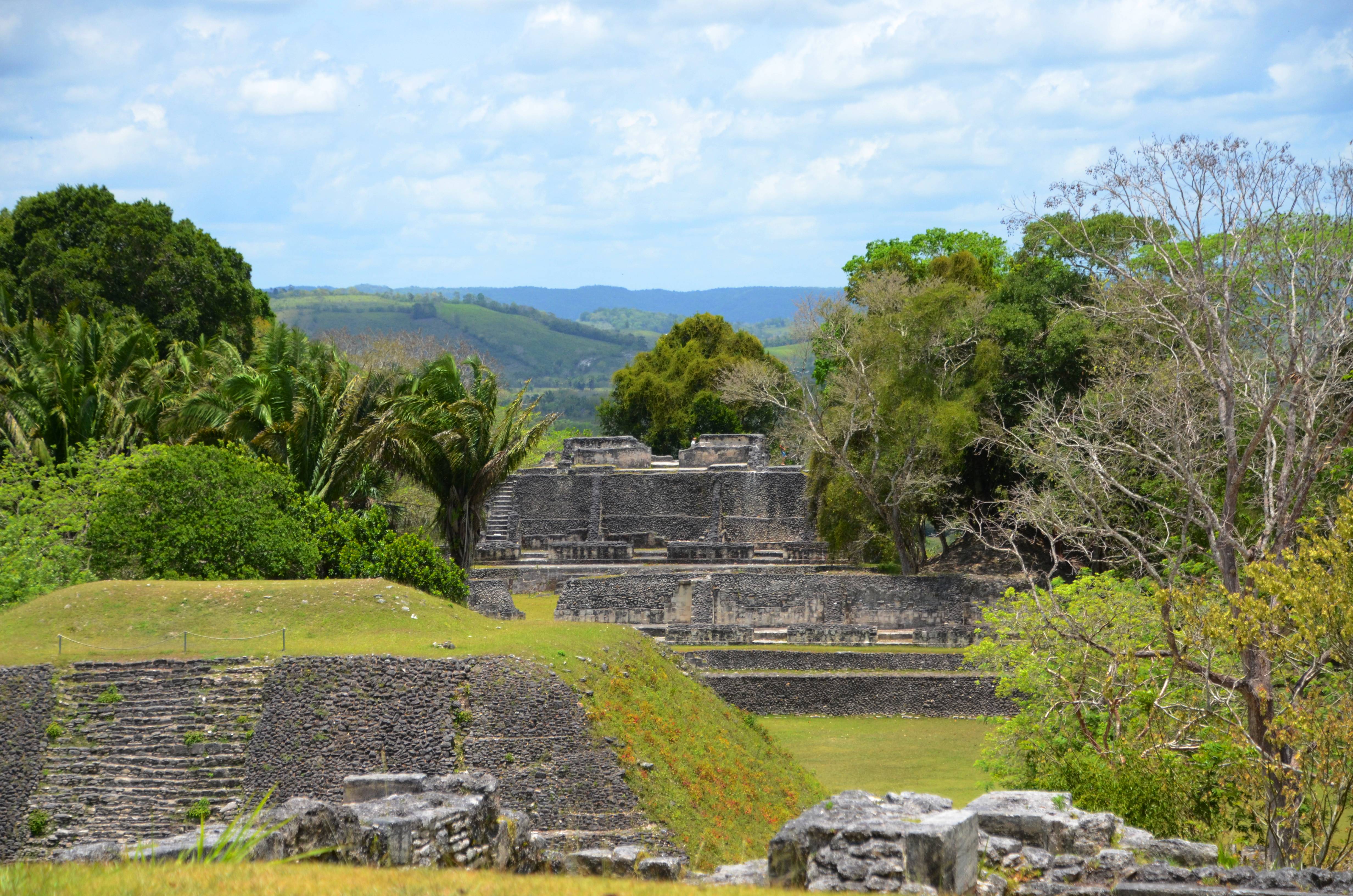
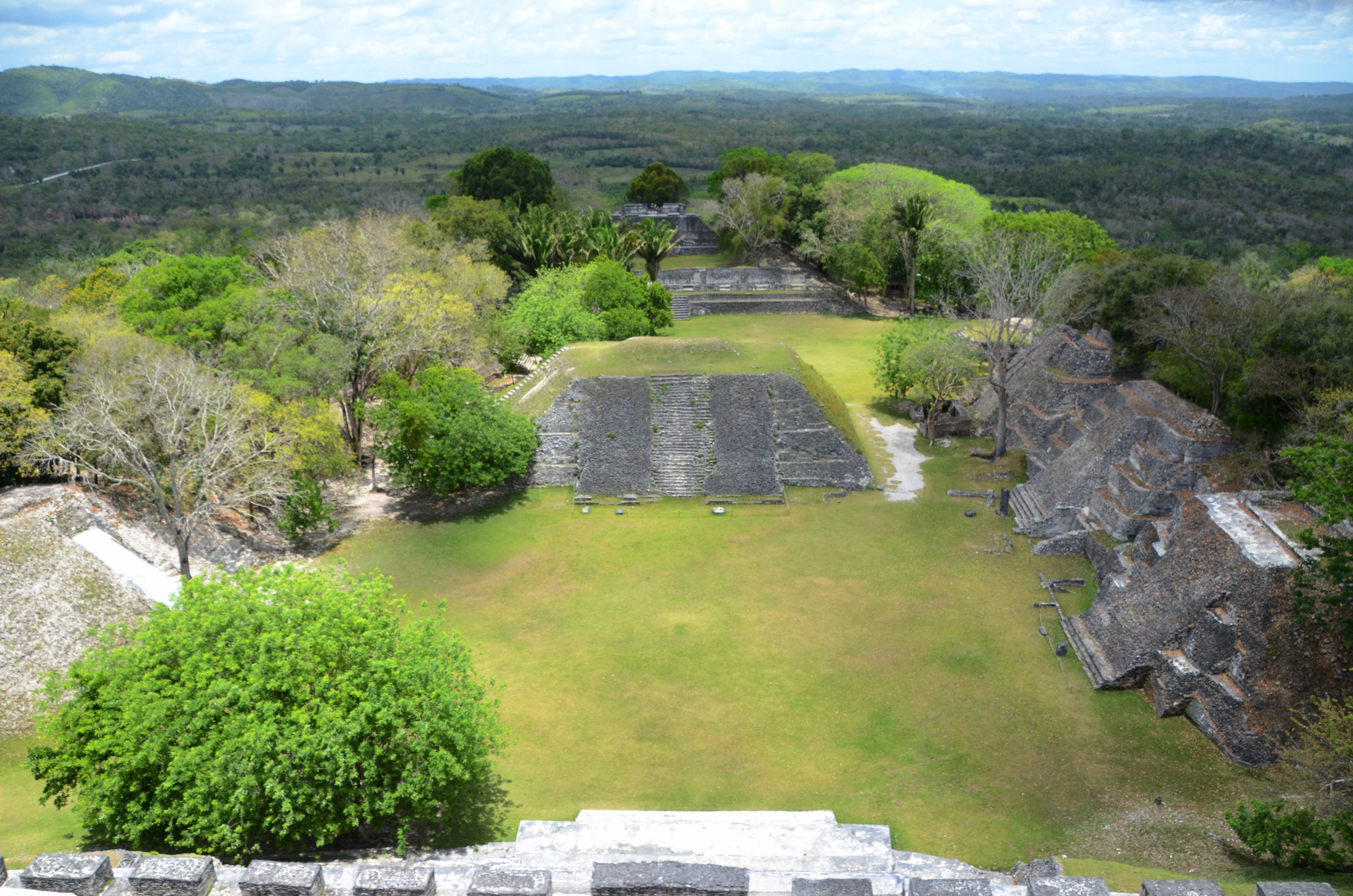
There is so much mystery surrounding the place, and you can feel it from the moment you walk up the steep hill to the ruins. As we entered the plaza, the palm trees seemed to grow taller and taller. Yet taller still, were the stepped pyramids on either side of the open, green expanse. In the middle stood a flat-topped mound divided in the middle — the Pitz ball court.
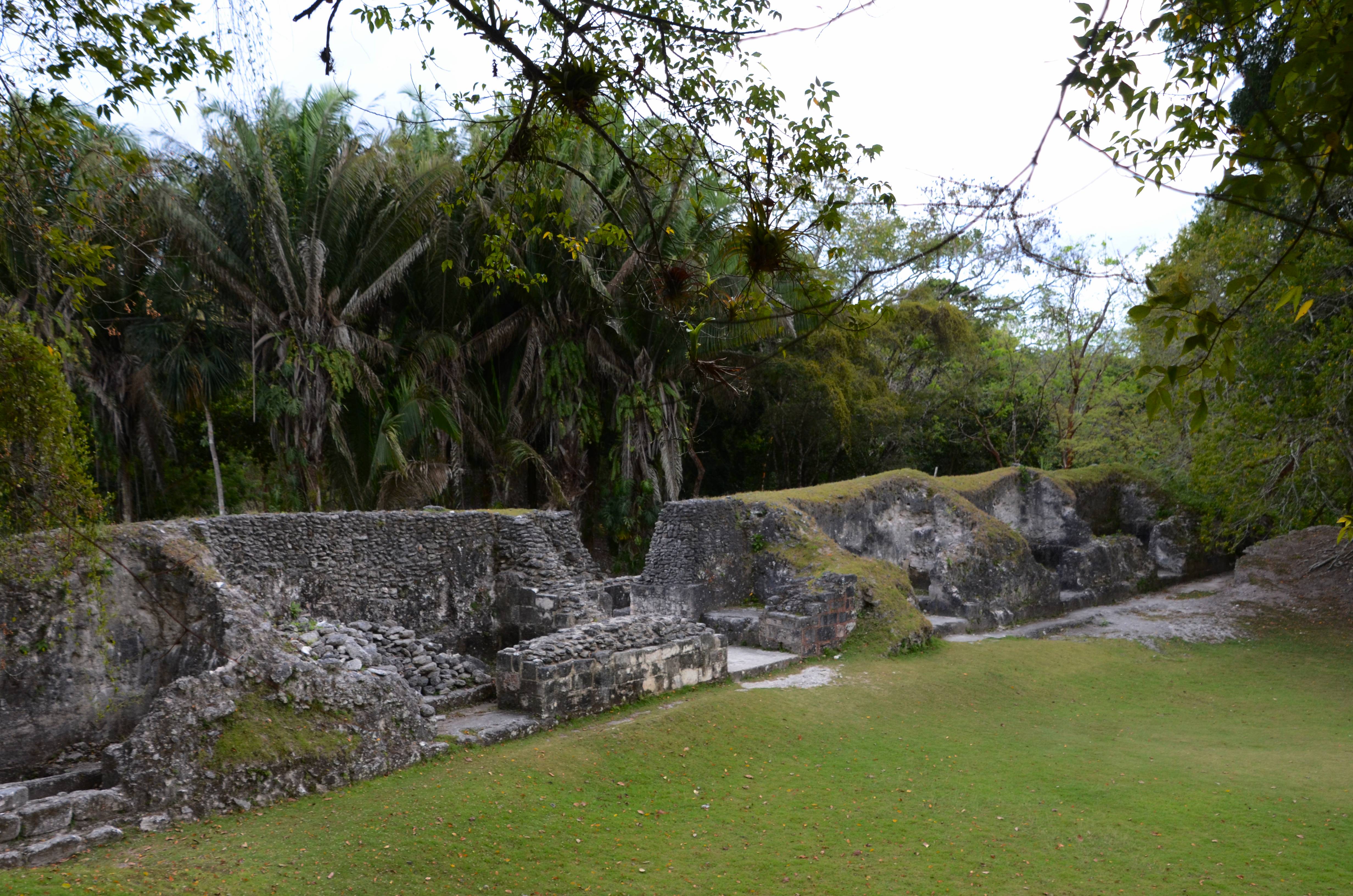
First we explored a few smaller living quarters and crumbling pyramids on the quiet, northern side of the site. White and dark stone peeked out from the strangling grasp of tree roots and nightmarish tarantula webs. Everywhere we walked, spiny-tailed iguanas sauntered about.
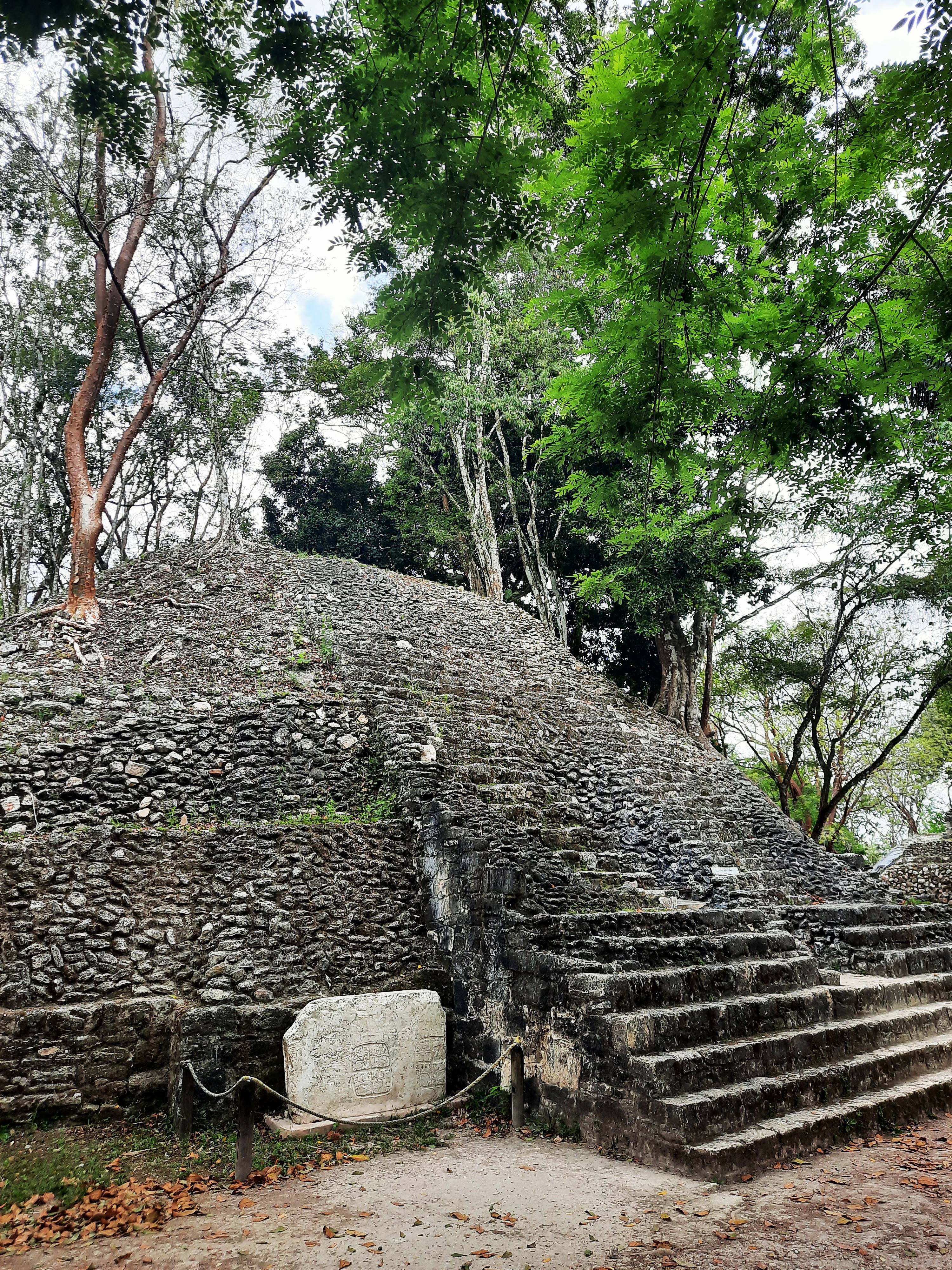
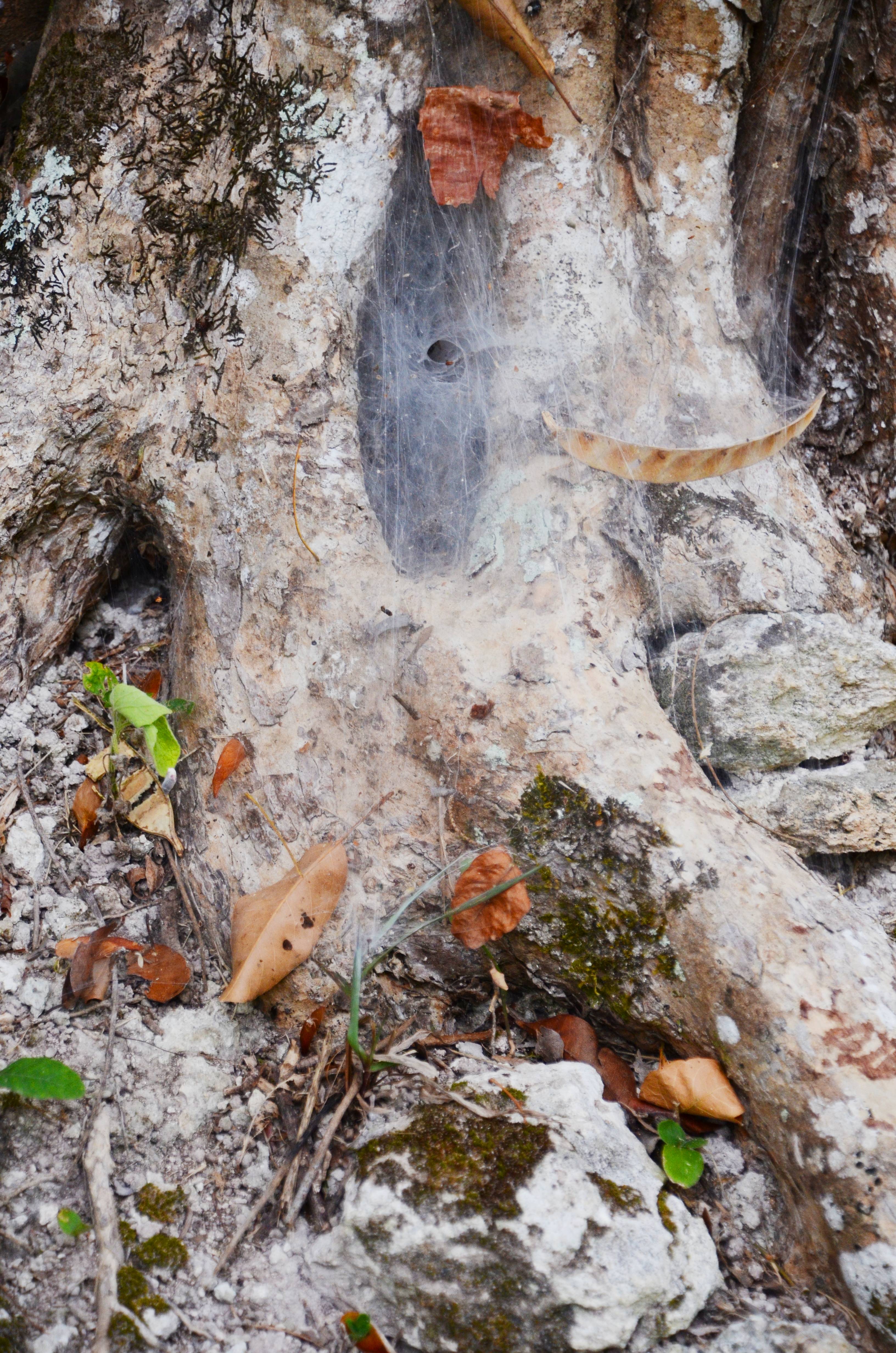
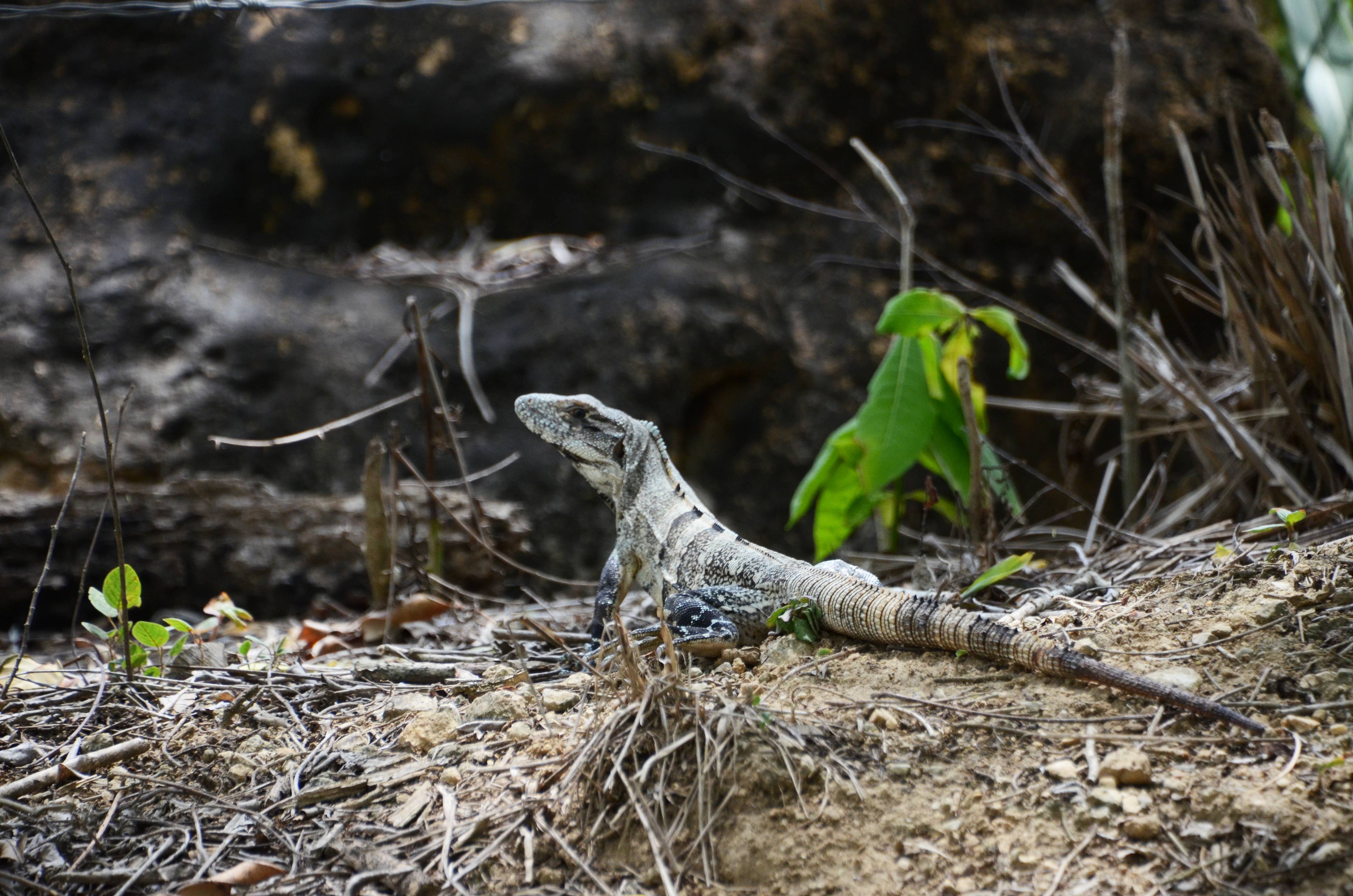
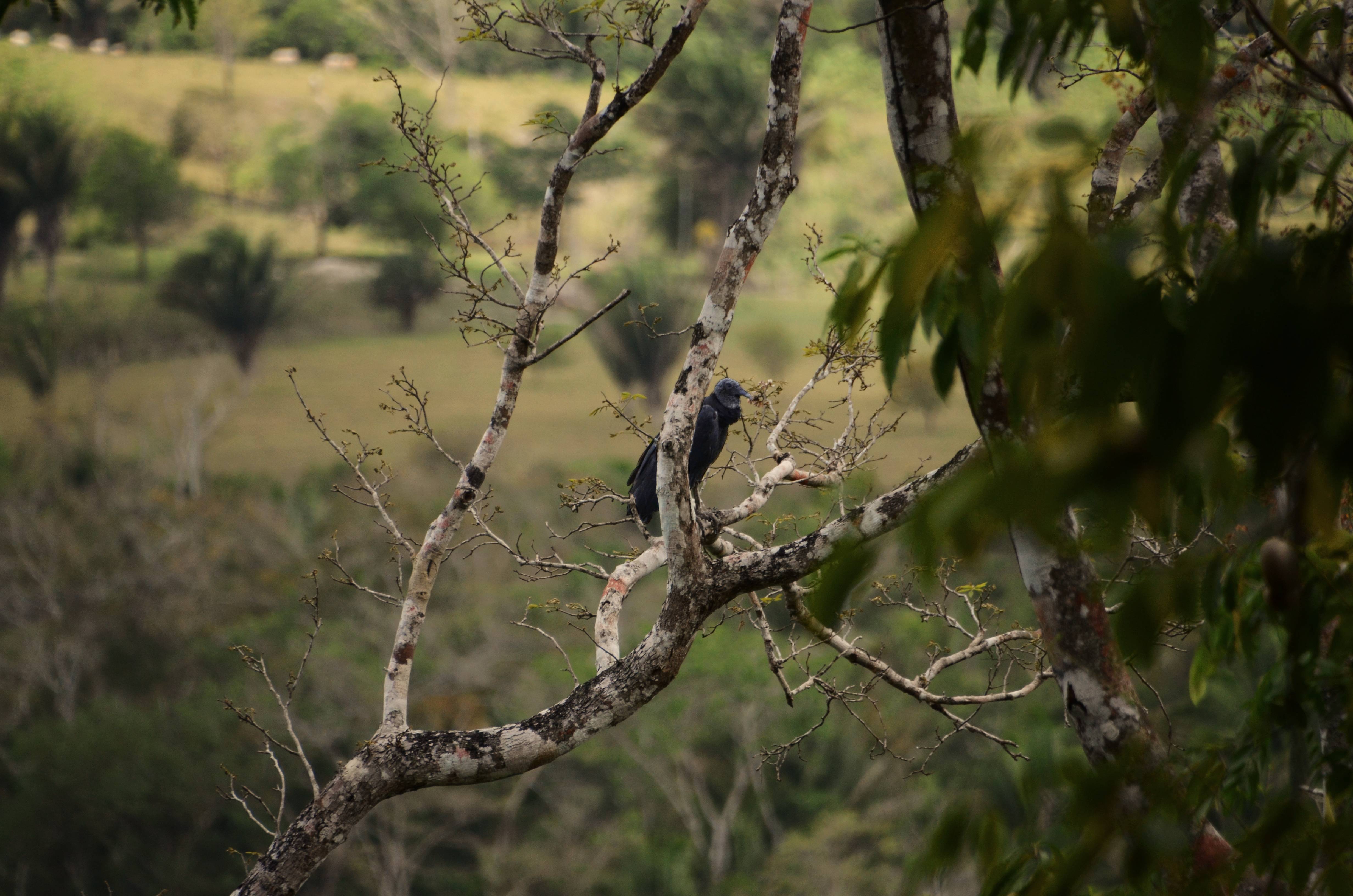
Then we climbed up the larger, two-story pyramid to get a view of the famous El Castillo across the plaza and I had to stretch to my limits to conquer those enormous steps. On the way up, we came across a black vulture on a branch hanging over the hilltop — a very fitting scene for such a silent, eerie place.
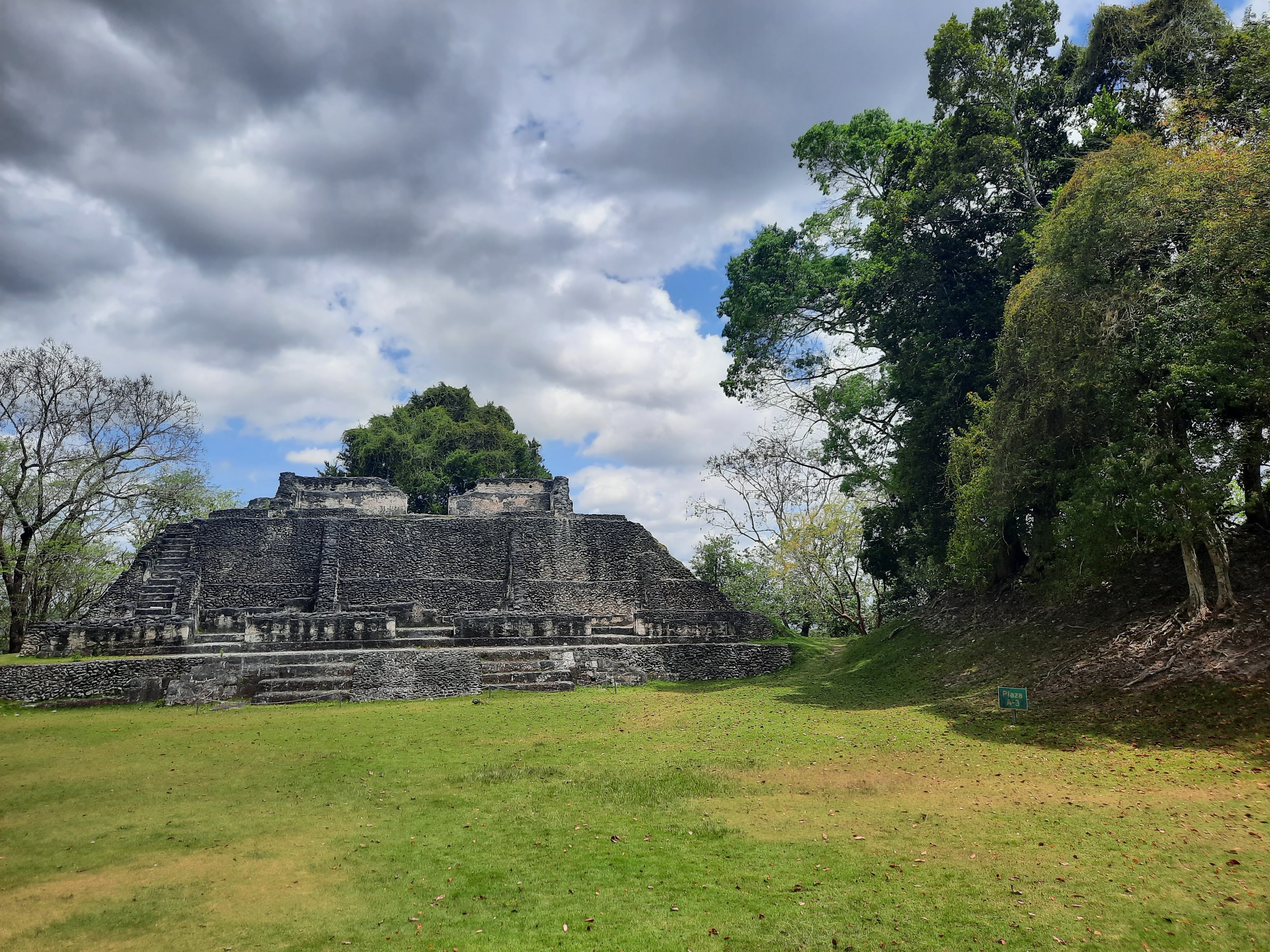

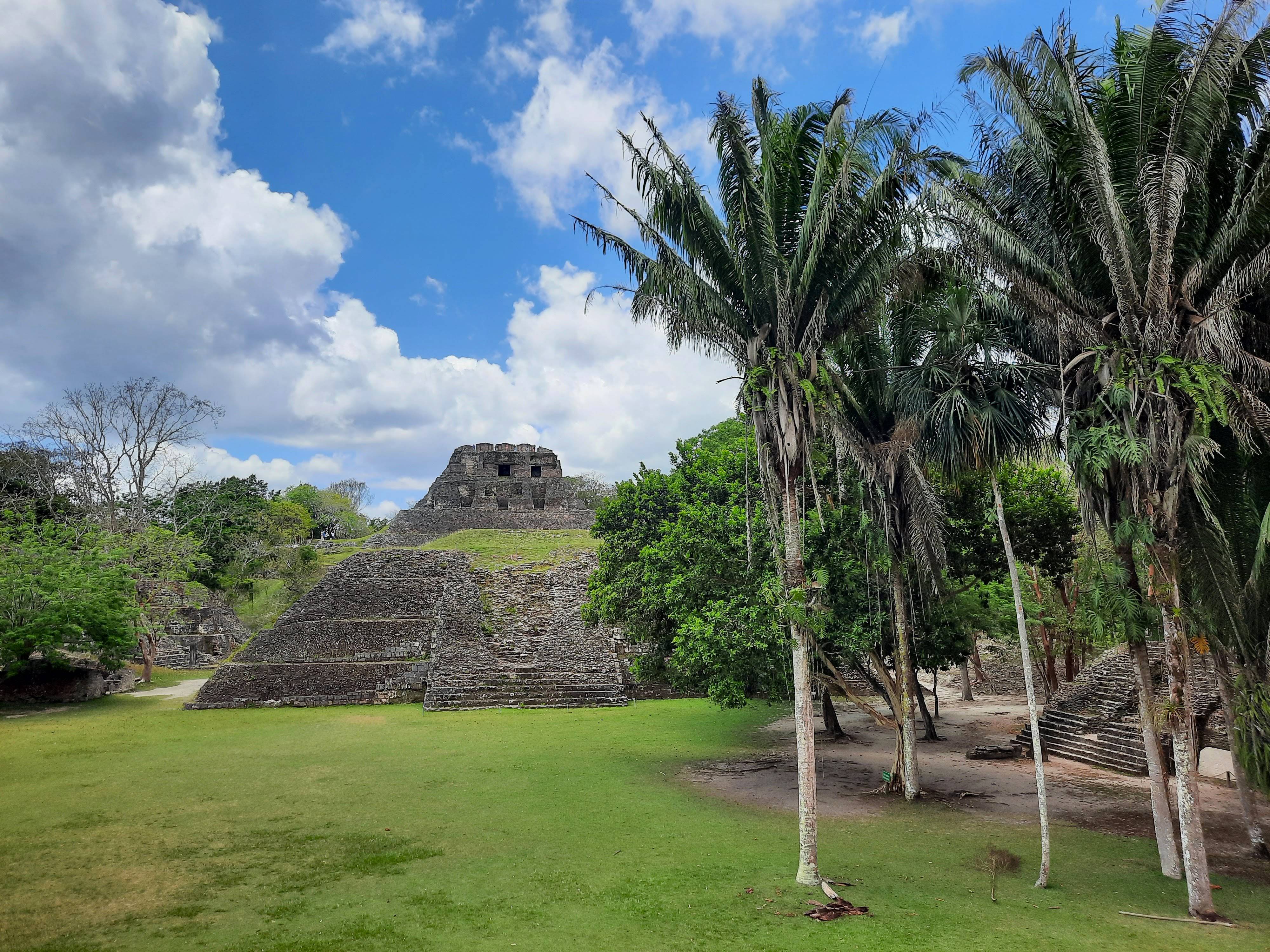
Across the plaza, our view of El Castillo was partly obscured by palm trees, and I halfway wondered if they’d let us pass and touch the sacred steps of their fallen kings.
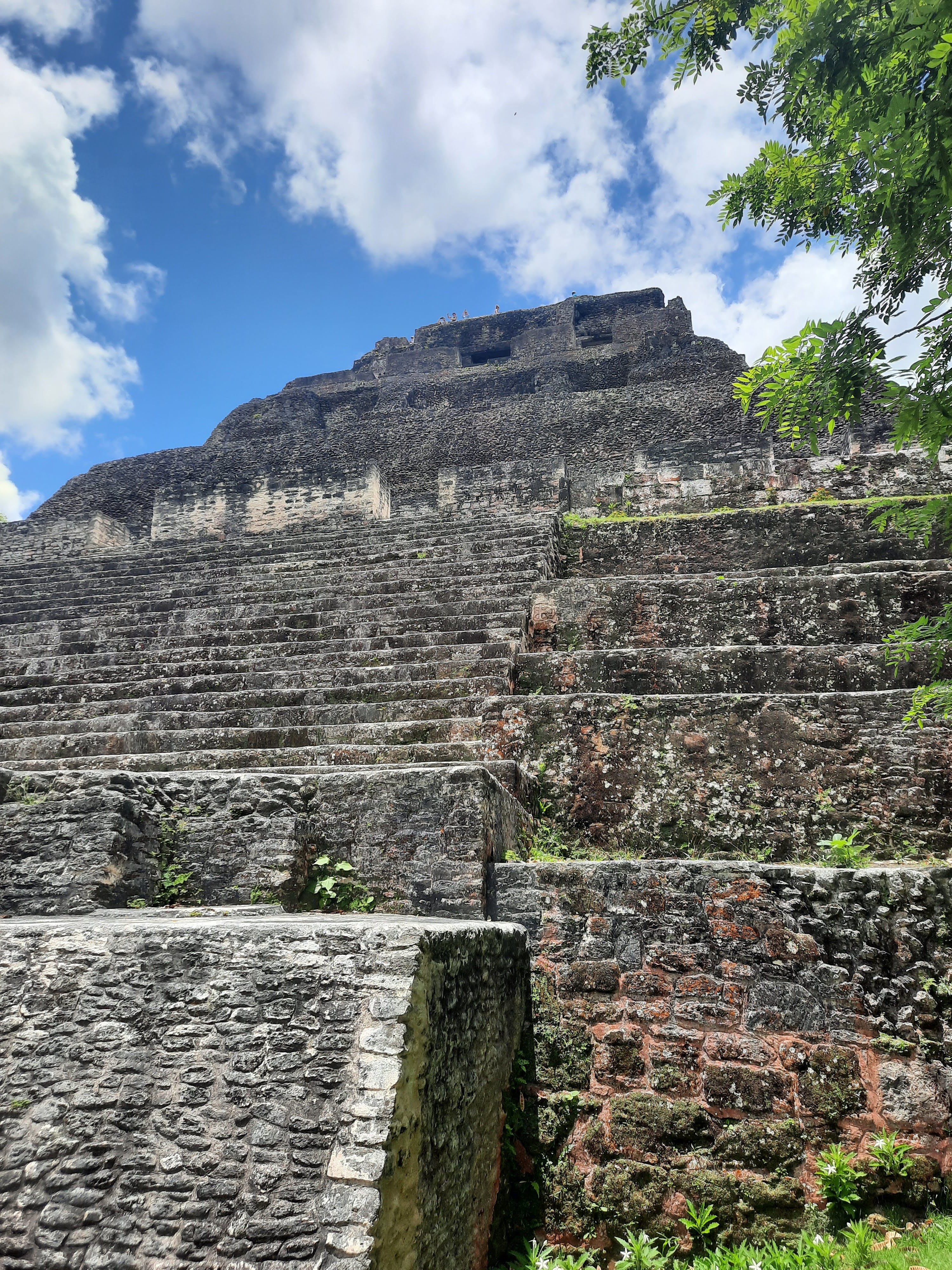
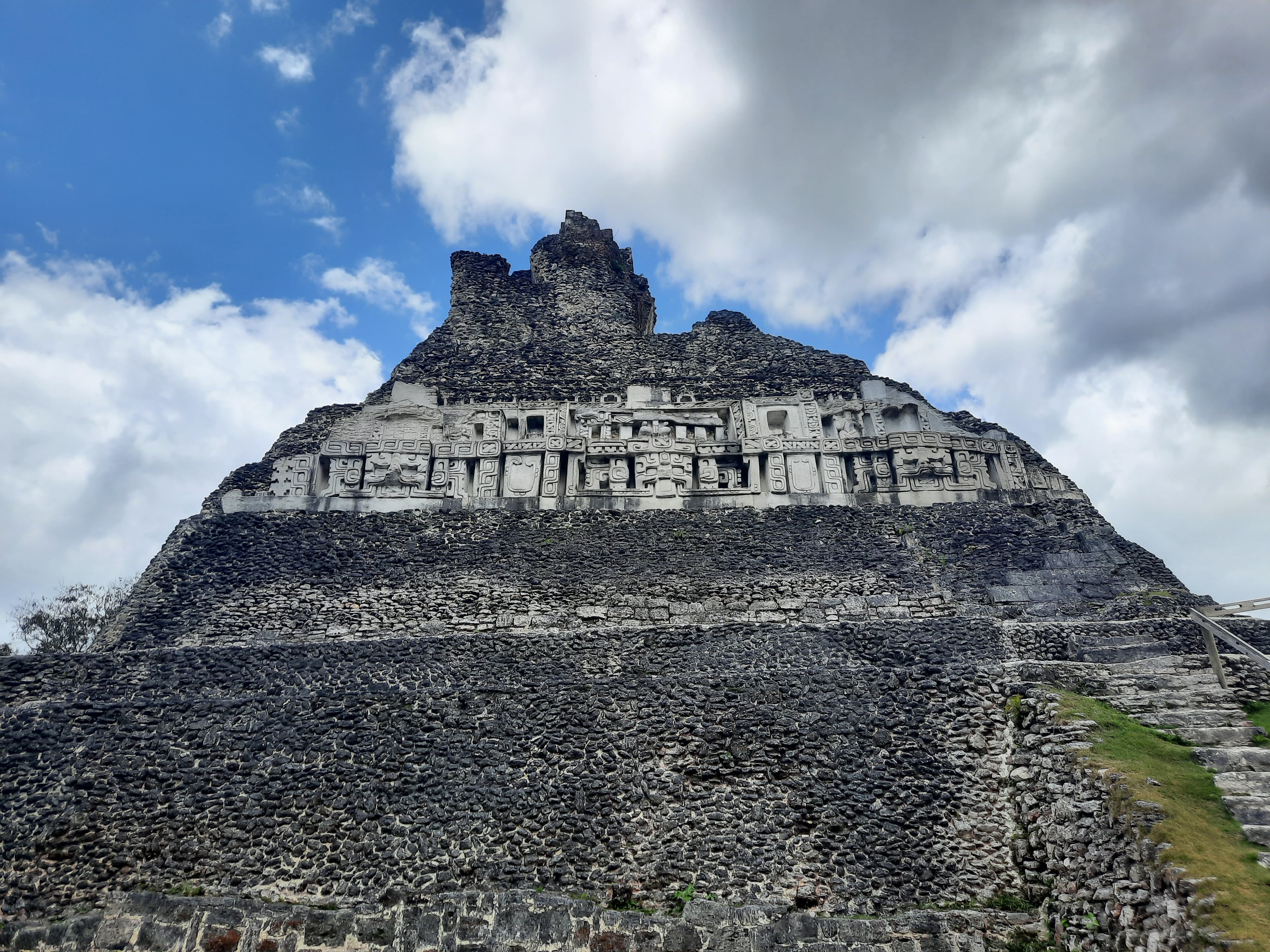
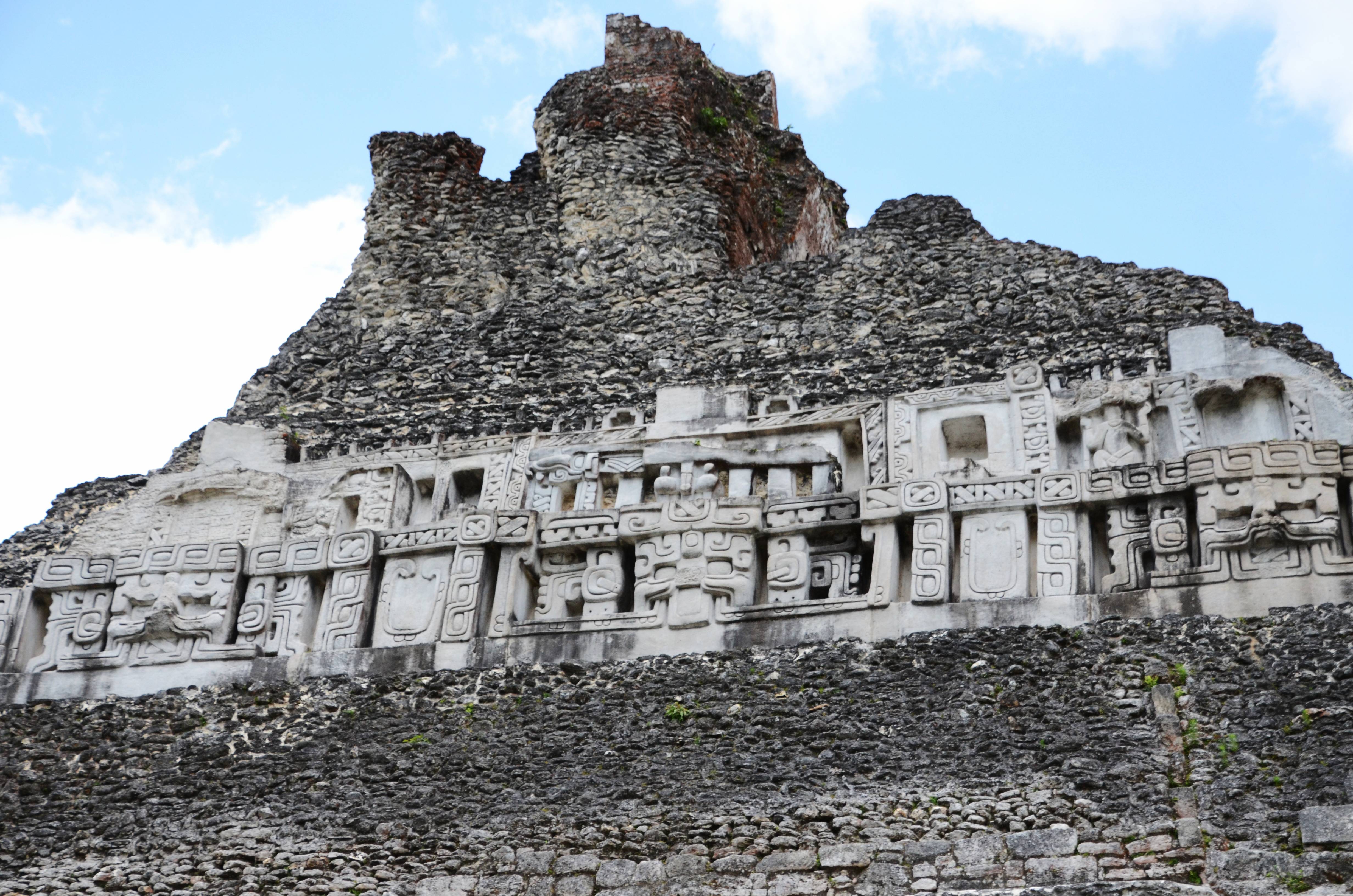
Standing 130ft tall, the main structure of Xunantunich remains the second tallest structure in Belize (with the Sky Palace of Caracol taking the title). The way to the top seemed to touch the clouds. We started from the eastern-side steps to get a better view of the stucco “frieze”, the stark-white carvings of the Maya gods and astronomical symbols. Chaak, the rain god, the Moon goddess and the Skybearers all looked down at us from their lofty stone thrones.
In the Maya Creation Story, when the gods called forth the three great mountains from the sea, they created the earth. These mountains became known as the hearth, represented by Orion’s Belt in the stars. To commemorate this event, the Mayans built their own mountains of stone — their own hearth of life.

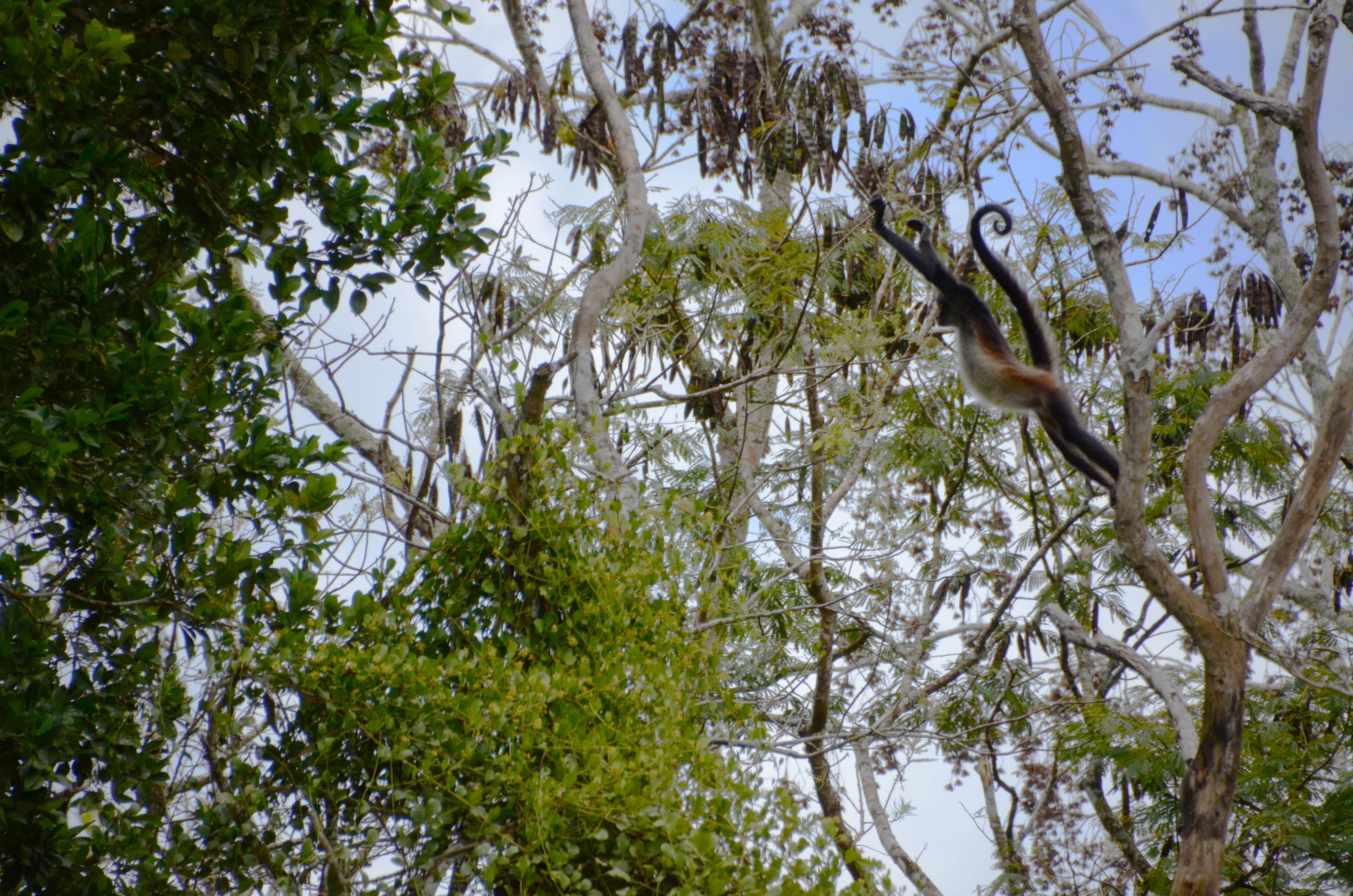
Then, just as we were about to continue upwards, we heard a commotion in the trees to our left. “Spider monkeys!” someone yelled. We couldn’t believe our eyes as three monkeys leapt from tree to tree. Then, without a sound, they disappeared into the jungle.

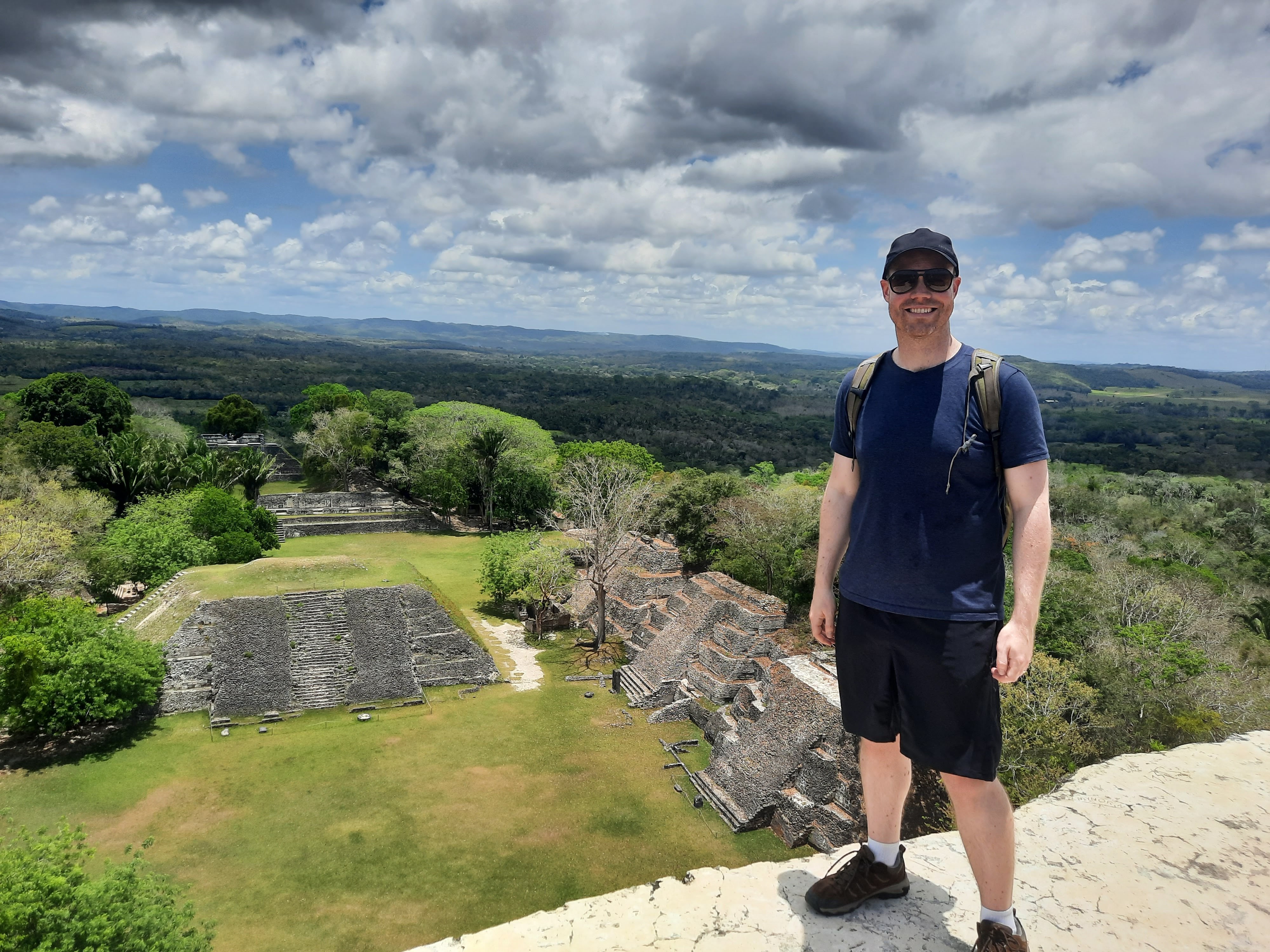
By this time, the heat and humidity of the day was brutal but we reached the top of El Castillo all the same. From such a height, we could see the surrounding jungle and sprawling San Ignacio in the great valley below us. Without safety barriers or even other people to ruin the view, it was easy to imagine what it must have been like to sit up there as a Maya king or queen, knowing that the miles upon miles of jungle below were all yours. You would certainly feel all-powerful, even godly, in such a place.
We left Xunantunich all sweaty and exhausted but completely enthralled and ready to see more of the Maya ruins of Belize. We had explored the stairways to the Maya heavens — now it was time to see their underworld.
 thewanderingfellows
4 responses to “Xunantunich: A ferry to a forgotten time”
[…] had stopped at the hilltop ruins of Xunantunich the day before, and with Table Rock Jungle Lodge as our new base, we were looking forward to a […]
LikeLike
[…] to an end. We had spent our days birdwatching and river cruising, exploring the Maya ruins of Xunantunich, Caracol and the dark underworld of Actun Tunichil Muknal. Next, we would begin our road trip to […]
LikeLike
[…] had explored the mysterious Maya ruins of Xunantunich, the dark passageways of the Actun Tunichl Mucknal and the wild forests of […]
LikeLike
[…] had explored the mysterious Maya ruins of Xunantunich, the dark passageways of the Actun Tunichil Muknal and the wild forests of […]
LikeLike